In recent years, regenerative medicine has emerged as a groundbreaking approach to healthcare, shifting the focus from symptom management to true healing and tissue repair. Medical professionals across diverse specialties are embracing regenerative therapies to help patients achieve faster recovery, reduced pain, and improved long-term health outcomes.
Unlike traditional treatments that often rely on medications or surgeries, regenerative medicine aims to restore function at the cellular level, using the body’s own biological resources to repair or replace damaged tissue.
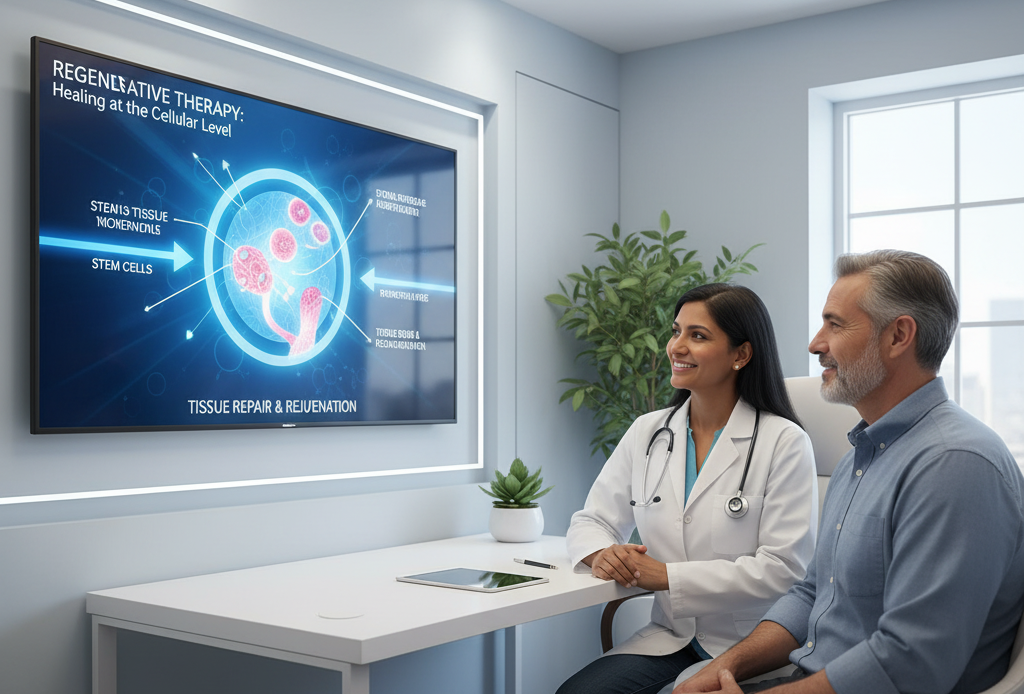
The appeal of regenerative therapies lies in their ability to treat the underlying cause of disease, not just the symptoms. These therapies—such as platelet-rich plasma (PRP), stem cell therapy, and exosome therapy—promote the body’s natural ability to heal.
Physicians in orthopedics, sports medicine, and integrative medicine are finding that regenerative techniques lead to faster recovery times, less invasive procedures, and enhanced patient satisfaction.
For example, PRP injections derived from a patient’s own blood can help regenerate joint tissues, reducing inflammation and improving mobility without surgery.
There are several key reasons why more clinicians are turning toward regenerative medicine:
Patient Demand for Non-Surgical Options:
Patients increasingly seek alternatives to invasive surgery or long-term medications. Regenerative therapies meet this demand with minimally invasive solutions.
Evidence-Based Success:
Ongoing research and clinical studies continue to demonstrate positive outcomes, particularly in orthopedics, wound healing, and chronic pain management.
Holistic Healing Philosophy:
Regenerative medicine aligns with the growing movement toward holistic and integrative healthcare, focusing on the body’s capacity for self-repair.
Long-Term Benefits:
Unlike temporary pain relief options, regenerative treatments often stimulate lasting tissue regeneration, improving the patient’s quality of life.
At institutions like IARM (Integrative and Regenerative Medicine), medical professionals receive hands-on training and continuing education to safely and effectively implement regenerative therapies.
This integrative approach helps healthcare providers blend conventional and modern medical practices—creating personalized treatment plans that address each patient’s unique needs.
Regenerative medicine isn’t just a trend; it’s a transformative movement in healthcare that emphasizes prevention, restoration, and sustainability.
For more insights into regenerative solutions and professional education, visit IARM’s official website.
The transition toward regenerative therapies represents a major evolution in medicine. As more healthcare professionals witness the benefits firsthand, the adoption of regenerative medicine will only continue to grow.
By embracing these innovative treatments, practitioners are not just treating illnesses—they’re helping patients reclaim wellness, mobility, and vitality naturally.