Regenerative medicine continues to revolutionize modern healthcare, offering innovative therapies that restore function, repair tissues, and enhance patient recovery. However, with these advanced procedures comes a critical responsibility: ensuring safety and consistent results. Proper training plays a vital role in minimizing risks and significantly improving clinical outcomes.Regenerative medicine continues to reshape modern healthcare. However, without clear protocols and measurable benchmarks, outcomes can vary significantly. Regenerative medicine standardization ensures safety, consistency, and predictable clinical success. Therefore, professionals must understand why structured systems are essential in every regenerative procedure.
Regenerative medicine relies on biologics such as stem cells, platelet-rich plasma (PRP), and exosomes. While innovation moves quickly, clinical protocols do not always advance at the same pace. As a result, variability can affect safety and outcomes.
Regenerative medicine standardization creates uniform preparation methods, dosing protocols, and quality control measures. Consequently, clinicians achieve reproducible results and protect patient safety.
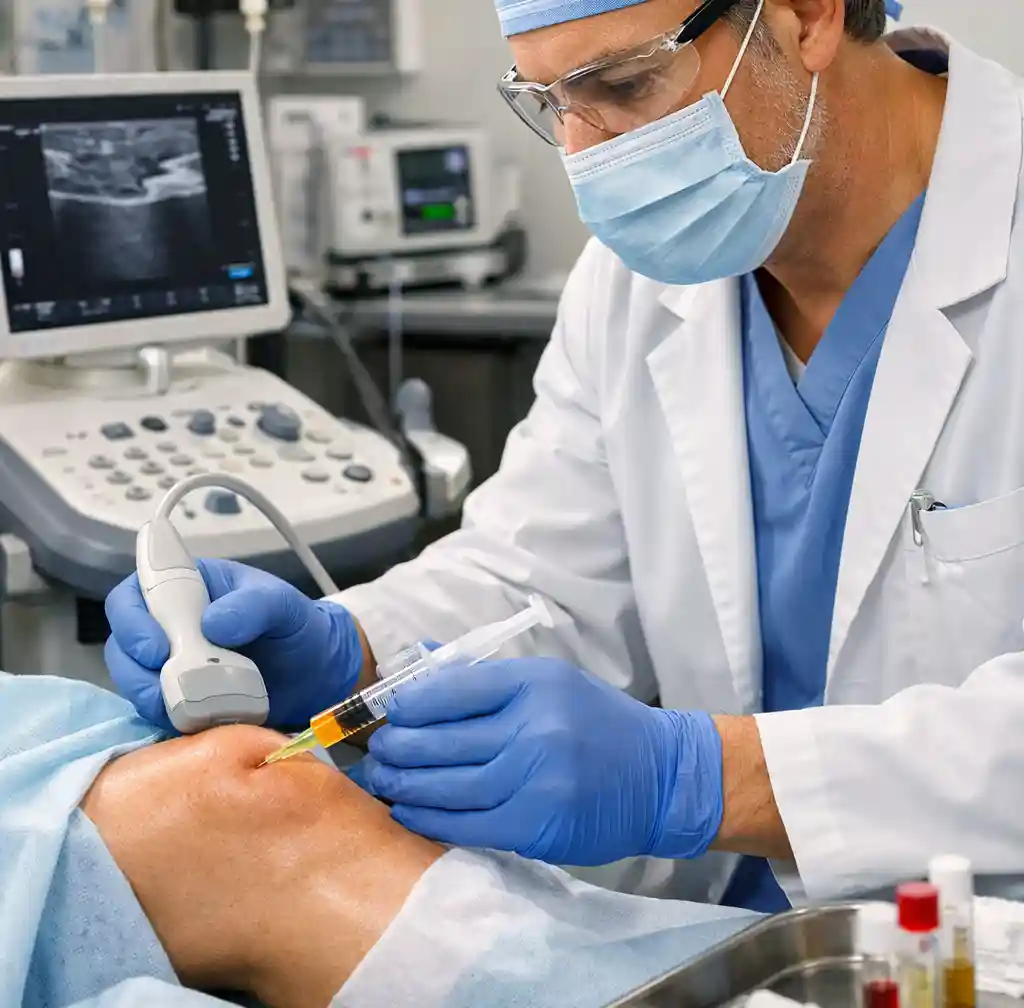
Regenerative medicine involves complex procedures such as stem cell therapy, platelet-rich plasma (PRP) injections, and tissue engineering. Without proper education and hands-on experience, practitioners may face increased risks, including procedural errors and inconsistent results.
Training in regenerative medicine ensures that clinicians understand both the science and the practical application. As a result, they can perform procedures safely and effectively.
One of the primary benefits of training in regenerative medicine is risk reduction. Structured programs teach:
Proper patient selection and assessment
Sterile techniques and infection control
Accurate injection methods and placement
Understanding contraindications and complications
Because of this, trained professionals are less likely to encounter adverse events. Moreover, they can quickly identify and manage complications if they arise.
Training in regenerative medicine equips practitioners with advanced clinical skills that directly impact patient outcomes. When clinicians follow standardized protocols, patients benefit from:
Faster recovery times
Reduced complications
More consistent treatment results
Higher patient satisfaction
Furthermore, ongoing education allows providers to stay updated with the latest advancements, ensuring optimal care delivery.
Consistency is key in regenerative medicine. Training programs emphasize standardized procedures to reduce variability in treatment outcomes.
Organizations such as IARM Training Services promote evidence-based practices and clinical guidelines. These standards ensure that all practitioners follow the same high-quality protocols.
While theoretical knowledge is important, hands-on training is essential. Practical workshops allow practitioners to:
Practice techniques in controlled environments
Gain confidence before treating real patients
Receive feedback from experienced instructors
This combination of theory and application significantly reduces the likelihood of errors in clinical settings.
Several studies highlight the importance of proper training in medical procedures:
“Regenerative Medicine and Patient Safety” – https://www.ncbi.nlm.nih.gov/pmc/articles/PMC
“Standards in Stem Cell Therapy” – https://www.fda.gov/vaccines-blood-biologics
These resources emphasize that education and adherence to protocols are essential for safe and effective regenerative treatments.
The field of regenerative medicine evolves rapidly. Therefore, continuous training is not optional—it is necessary.
Practitioners who engage in ongoing education can:
Adopt new technologies quickly
Refine their techniques
Maintain compliance with regulatory standards
Ultimately, this commitment leads to better patient care and long-term professional success.
Training in regenerative medicine is the foundation of safe and successful clinical practice. By reducing risks and improving outcomes, structured education ensures that practitioners deliver high-quality care with confidence.
As regenerative therapies continue to advance, investing in proper training will remain essential for both practitioners and patients alike.