Stem cell therapy continues to transform modern healthcare. As regenerative medicine advances, clinicians now explore new ways to repair tissues, reduce inflammation, and improve function. Understanding the major indications for stem cell therapy in clinical practice regenerative medicine helps providers make informed treatment decisions.
Healthcare professionals who want advanced education can explore programs through IARM Training Services.
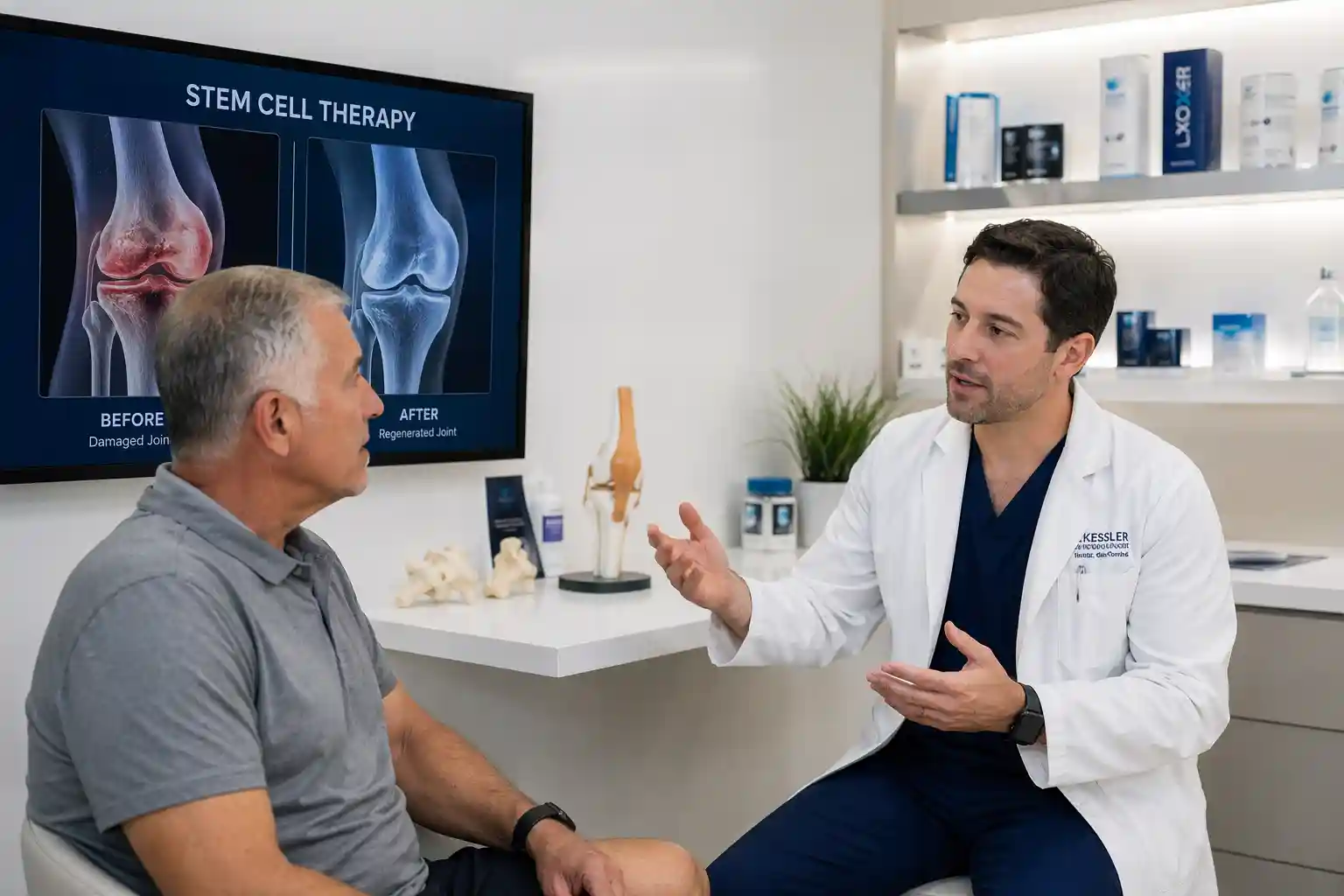
Stem cell therapy uses biologically active cells that may support healing and tissue regeneration. In clinical practice regenerative medicine, these therapies are commonly evaluated for musculoskeletal, neurological, autoimmune, and aesthetic applications.
When used responsibly, stem cell therapy may complement conventional treatments and improve patient outcomes.
For foundational guidance, visit the National Institutes of Health Stem Cell Information.
Musculoskeletal disorders remain one of the most common uses of stem cell therapy in clinical practice regenerative medicine.
Many clinicians use regenerative protocols to help reduce pain and support mobility recovery.
Read more at the American Academy of Orthopaedic Surgeons.
Research continues to investigate stem cell therapy in neurological care. While some uses remain experimental, interest keeps growing.
Careful patient selection is essential in these cases.
Stem cell therapy in clinical practice regenerative medicine may also support selected autoimmune conditions.
These therapies may help regulate immune response and lower inflammation in suitable patients.
Learn more through the Mayo Clinic.
Regenerative medicine also enters aesthetic practice. Many providers use stem cell-based approaches for:
These services continue to expand in modern wellness clinics.
Before offering stem cell therapy in clinical practice regenerative medicine, clinicians should assess:
Strong training and evidence-based methods improve treatment quality.
Explore professional education at IARM USA.
Stem cell therapy requires more than technical skill. Providers need knowledge of biology, patient screening, protocols, and ethical practice. Continuous education helps clinicians stay updated in a fast-changing field.
IARM offers specialized programs designed for physicians who want to integrate regenerative medicine responsibly.
The indications for stem cell therapy in clinical practice regenerative medicine continue to grow. From orthopedic care to wellness medicine, stem cell applications offer new possibilities for patient support. However, successful outcomes depend on training, compliance, and careful case selection.
Clinicians seeking expert education can begin with IARM Training Services.