Regenerative medicine is transforming modern healthcare by shifting treatment goals from symptom management to true biological repair. Instead of simply controlling disease progression, regenerative medicine focuses on restoring damaged tissues, organs, and cellular function. As a result, patients now have access to innovative therapies that promote natural healing and long-term recovery.
This medical advancement is reshaping clinical practice, research, and patient outcomes across multiple specialties.
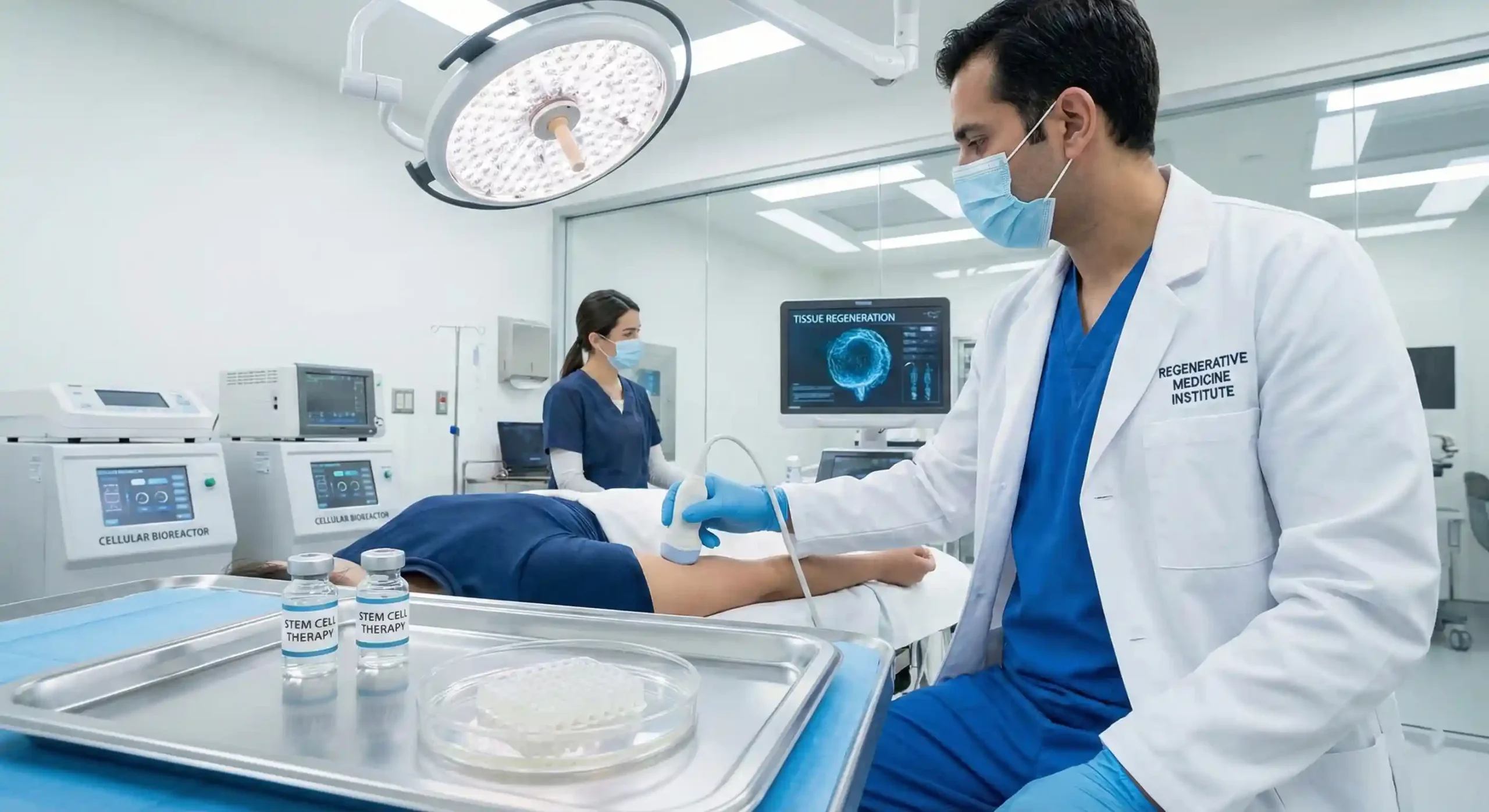
Regenerative medicine is a multidisciplinary field that uses the body’s own healing mechanisms to repair or replace damaged cells, tissues, and organs. Through advanced biologic therapies, regenerative medicine stimulates natural regeneration rather than relying solely on pharmaceuticals or surgery.
Common regenerative medicine approaches include:
Regenerative cell–based therapies
Platelet-rich plasma (PRP) applications
Tissue engineering and biomaterials
Gene and cellular therapies
Because these treatments address root causes, regenerative medicine is becoming a cornerstone of modern healthcare innovation.
Traditional healthcare models often focus on managing symptoms. However, regenerative medicine aims to restore function at the cellular level. Consequently, patients may experience improved healing, reduced pain, and faster recovery times.
For example, orthopedic injuries treated with regenerative medicine techniques often show enhanced tissue repair compared to conventional interventions.
Another key benefit of regenerative medicine is personalization. Since many therapies are derived from a patient’s own cells or blood components, treatments are tailored to individual biological responses. This approach improves safety while also increasing therapeutic effectiveness.
Regenerative medicine is widely used in musculoskeletal care. PRP and regenerative cell therapies support healing in conditions such as tendon injuries, osteoarthritis, and ligament damage.
In cardiovascular and neurological research, regenerative medicine is being explored to repair heart tissue after myocardial infarction and support nerve regeneration following injury. According to the National Institutes of Health, ongoing studies continue to expand these applications.
Chronic wounds and skin damage benefit significantly from regenerative medicine techniques. Cellular therapies and growth-factor–based treatments accelerate healing while reducing infection risks.
As regenerative medicine evolves, proper clinical training becomes essential. Healthcare professionals must understand both the science and ethical considerations behind these therapies.
Institutions like International Academy of Regenerative Medicine provide structured education programs that support safe, evidence-based implementation. Learn more about professional training opportunities at IARM Training Courses.
The growth of regenerative medicine is supported by ongoing research and regulatory oversight. Organizations such as the U.S. Food and Drug Administration continue to establish frameworks that ensure patient safety while encouraging innovation.
For further reading on current research trends, visit the National Institutes of Health resource center:
NIH – Regenerative Medicine Overview: https://www.nih.gov/
Regenerative medicine is expected to play an even greater role in modern healthcare. As research advances, treatments will likely become more accessible, affordable, and precise. Moreover, integration with artificial intelligence and precision medicine will further enhance clinical outcomes.
Ultimately, regenerative medicine is redefining how healthcare systems approach healing, longevity, and quality of life.