Chronic diseases remain one of the greatest challenges in modern healthcare. However, regenerative medicine is reshaping how clinicians approach long-term conditions by focusing on healing, restoration, and cellular repair rather than symptom management alone. As innovation accelerates, regenerative medicine is positioned to redefine the future of chronic disease treatment.
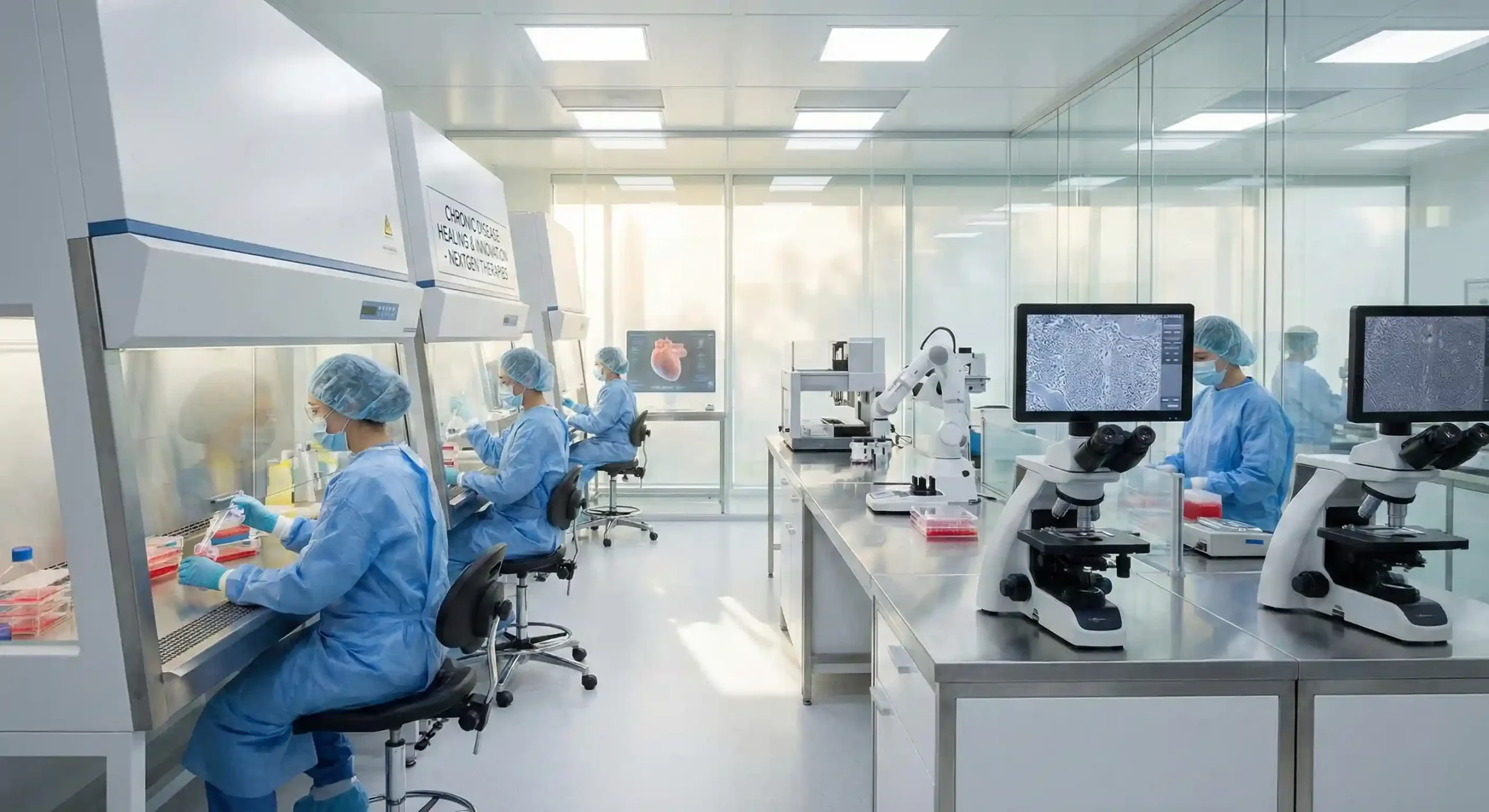
Regenerative medicine for chronic disease treatment emphasizes repairing damaged tissues and restoring cellular function. Instead of masking symptoms, this approach targets the root cause of disease progression. Consequently, patients may experience improved outcomes and longer-lasting relief.
This field integrates cellular therapies, biologics, and tissue engineering. Together, these methods support the body’s innate ability to heal. As research expands, regenerative medicine continues to gain traction across multiple specialties.
Traditional chronic disease management often relies on lifelong medications and invasive procedures. While effective in many cases, these methods rarely reverse underlying damage. In contrast, regenerative medicine for chronic disease treatment aims to restore normal biological function.
Conditions such as osteoarthritis, autoimmune disorders, cardiovascular disease, and neurodegenerative illnesses may benefit significantly. According to the National Institutes of Health, regenerative approaches show promise in reducing inflammation and enhancing tissue regeneration across chronic conditions.
Stem cells possess the ability to differentiate into specialized cells. As a result, they may support tissue repair in degenerative diseases and injuries.
PRP uses growth factors from the patient’s own blood to stimulate healing. It is commonly used in musculoskeletal and inflammatory conditions.
Exosomes act as cellular messengers that promote repair and modulate inflammation. Emerging studies suggest their potential in chronic disease management.
Research published by the Mayo Clinic highlights regenerative therapies as viable adjuncts in managing chronic pain, joint degeneration, and inflammatory disorders. Additionally, peer-reviewed studies available through PubMed continue to expand clinical validation.
These advances support the integration of regenerative medicine into patient-centered treatment models.
The future of regenerative medicine for chronic disease treatment lies in personalization and precision. Therapies are increasingly tailored to individual biology. Moreover, advancements in diagnostics and biomaterials will enhance safety and predictability.
As adoption grows, regenerative medicine is expected to reduce healthcare costs associated with long-term disease management. Importantly, patient quality of life may improve as treatments focus on restoration rather than maintenance.
Organizations like International Association of Regenerative Medicine continue to support clinician education and evidence-based implementation. Through innovation and collaboration, regenerative medicine is becoming more accessible within ethical and compliant frameworks.
For more insights into regenerative medicine services and education, explore internal resources at IARM-USA.
NIH – Regenerative Medicine Overview
https://www.nih.gov
Mayo Clinic – Regenerative Medicine Research
https://www.mayoclinic.org
PubMed – Clinical Studies on Regenerative Medicine
https://pubmed.ncbi.nlm.nih.gov