
Platelet-Rich Plasma (PRP) therapy continues to shape the future of regenerative medicine. As more clinicians adopt biologic treatments, understanding proper PRP injection techniques and best practices becomes essential for patient safety and treatment effectiveness.
PRP procedures require more than simply drawing blood and reinjecting platelets. Clinicians must understand anatomy, preparation protocols, sterile handling, and injection guidance to achieve optimal outcomes. Proper technique also helps reduce complications and improve patient satisfaction.
At IARM, healthcare professionals receive hands-on education designed to strengthen procedural confidence and clinical decision-making in regenerative medicine.
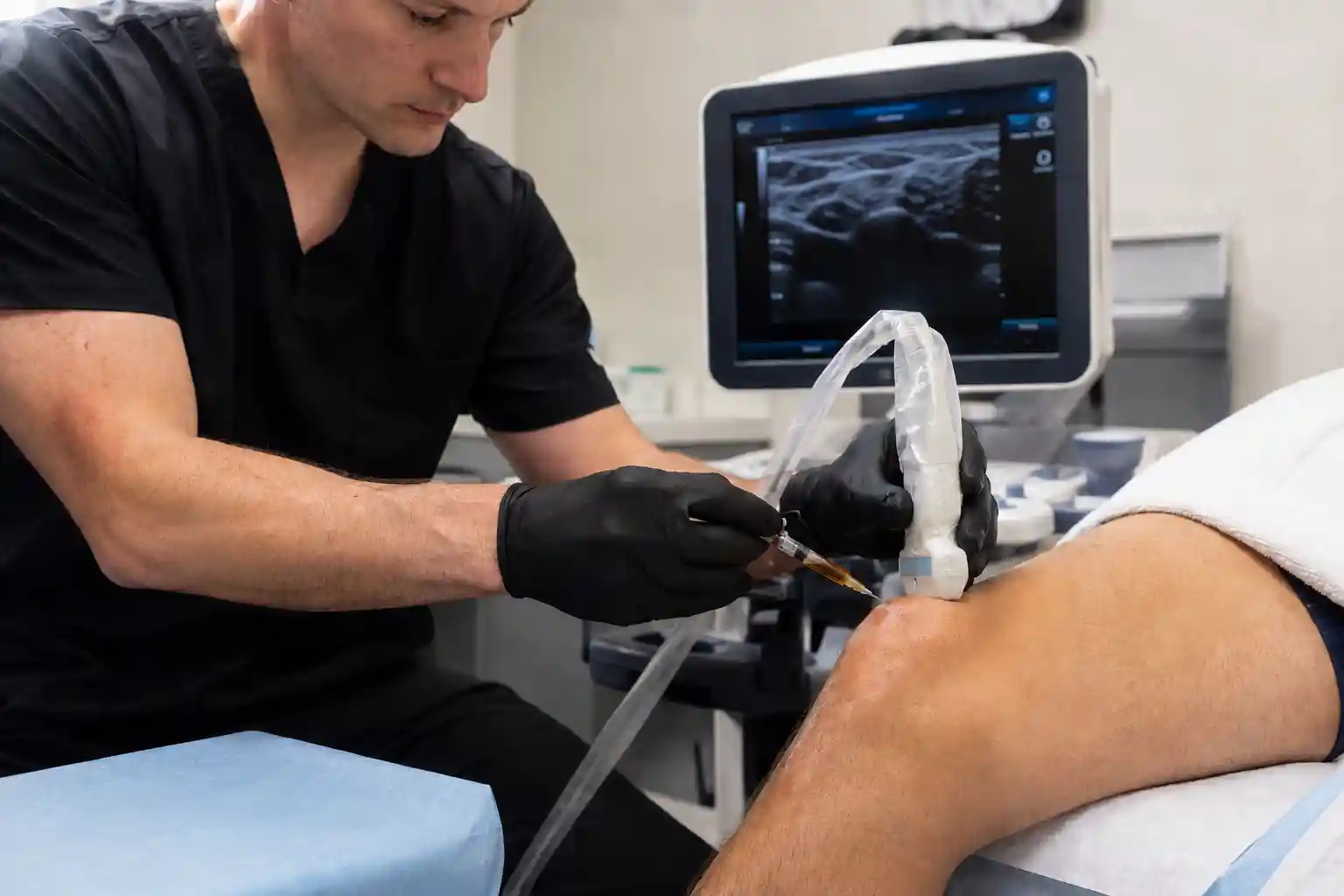
PRP contains concentrated platelets derived from a patient’s own blood. These platelets release growth factors that support tissue healing, inflammation modulation, and cellular repair.
Common applications include:
Because PRP preparation methods vary significantly, clinicians must follow standardized protocols whenever possible.
For additional clinical background on PRP, the Mayo Clinic overview on platelet-rich plasma therapy provides a useful introduction.
Successful PRP injection techniques and best practices begin with careful patient assessment. Not every patient qualifies for PRP therapy.
Clinicians should review:
In addition, imaging studies often help identify precise treatment targets.
Appropriate patient selection improves procedural success while minimizing unnecessary interventions.
PRP quality directly affects clinical outcomes. Therefore, standardized preparation remains one of the most important components of regenerative medicine procedures.
Best practices include:
Clinicians should also understand differences between leukocyte-rich and leukocyte-poor PRP formulations.
Research published by NCBI on platelet-rich plasma preparation methods discusses the importance of preparation consistency in regenerative medicine.
Precise injection technique plays a major role in treatment accuracy and patient comfort.
Ultrasound guidance improves visualization of:
This approach helps clinicians place PRP directly into targeted tissues instead of surrounding structures.
Benefits include:
Needle choice depends on:
Clinicians should minimize tissue trauma while maintaining accurate delivery.
Every PRP procedure should follow strict infection-control protocols, including:
Consistent sterile technique reduces infection risks and supports better patient outcomes.
PRP injection techniques and best practices vary depending on anatomical location.
PRP commonly treats:
PRP also supports:
Different treatment areas require modified injection depth, volume, and procedural planning.
Recovery guidance significantly influences patient satisfaction and healing response.
Patients typically receive instructions regarding:
Clear communication helps patients understand realistic healing timelines.
Clinicians should also monitor for adverse effects such as:
Hands-on education remains critical in regenerative medicine. PRP therapy involves procedural precision, patient evaluation, biologic handling, and evidence-based decision-making.
Healthcare providers who pursue formal training often gain:
IARM Training Services offers educational programs that help clinicians strengthen practical regenerative medicine skills through structured instruction and hands-on experience.
Regenerative medicine continues to evolve rapidly. Emerging research now explores:
As evidence grows, clinicians must remain current with evolving procedural standards and scientific developments.
Organizations such as the American Academy of Orthopaedic Surgeons continue to publish educational resources related to PRP therapy applications.
PRP injection techniques and best practices play a vital role in achieving safe and effective regenerative medicine outcomes. From patient evaluation to preparation protocols and injection accuracy, every step influences therapeutic success.
Clinicians who follow evidence-based standards and pursue ongoing procedural education can improve treatment quality while supporting patient safety.
As regenerative medicine expands, proper PRP training will remain essential for healthcare professionals seeking long-term clinical success.