Education plays a critical role in shaping the future of healthcare. In regenerative medicine, education does more than transfer knowledge—it establishes standards, ensures patient safety, and supports ethical innovation. As regenerative therapies continue to evolve, structured learning becomes essential for maintaining credibility and consistency across clinical practices.
Through focused regenerative medicine education, healthcare professionals gain the confidence and competence needed to deliver responsible, evidence-based care.
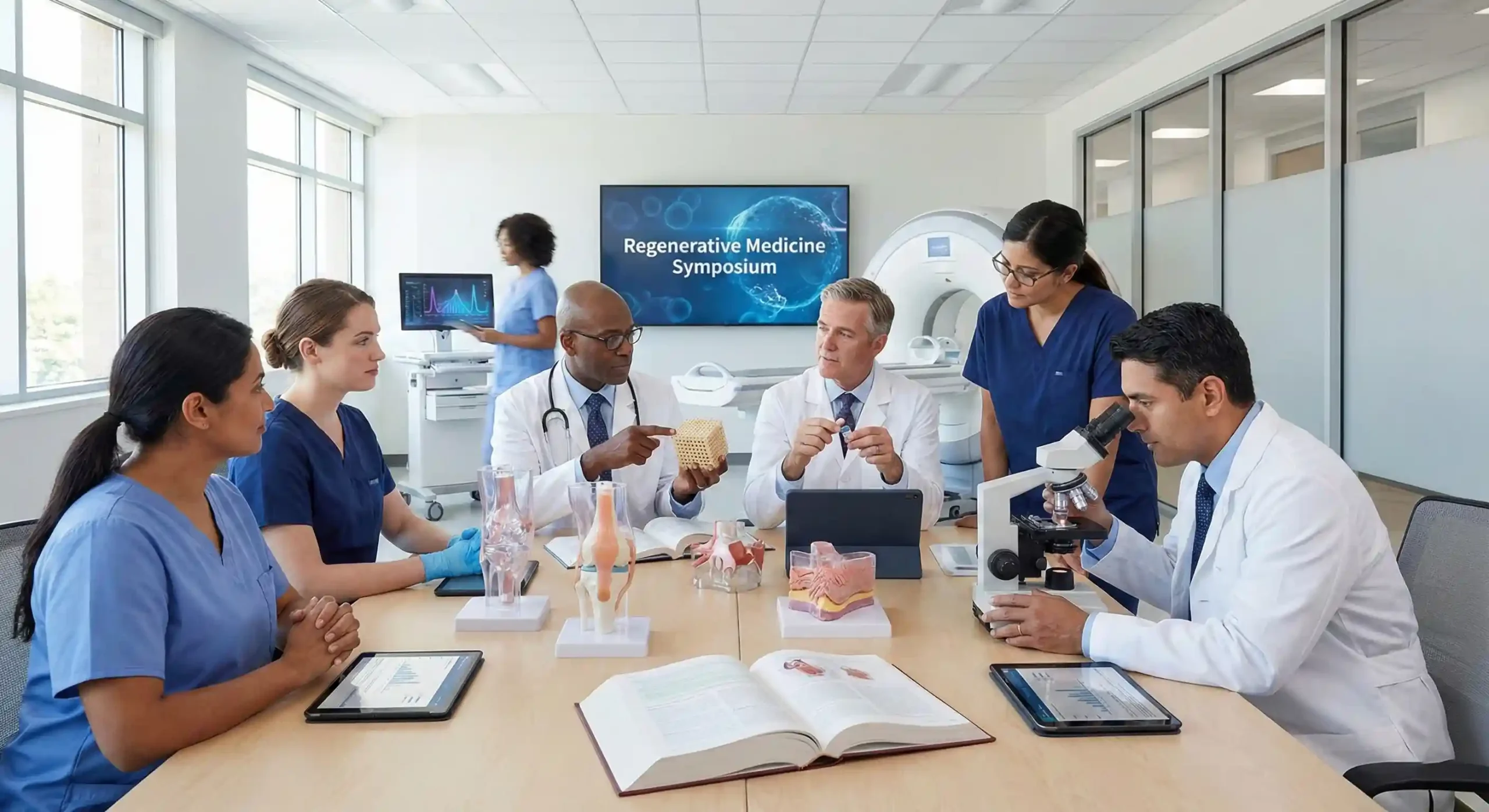
Regenerative medicine involves advanced biological therapies that require precise understanding. Without proper training, outcomes may vary and risks increase. Education creates a strong foundation that aligns clinical practice with scientific principles.
Moreover, standardized education helps practitioners stay current with evolving protocols. As a result, patient outcomes improve while professional accountability increases.
High-quality regenerative medicine education promotes uniform standards across the industry. When practitioners follow structured curricula, consistency in patient care improves.
Additionally, education reinforces best practices related to:
Patient selection and informed consent
Ethical use of biologics
Compliance with regulatory guidelines
Proper clinical documentation
Organizations such as the International Academy of Regenerative Medicine (IARM) provide education designed to elevate these standards across disciplines. Learn more about their mission at IARM USA:
👉 https://iarm-usa.com/
Education ensures that regenerative medicine is grounded in science rather than speculation. Through accredited training, clinicians learn how to evaluate research, apply clinical data, and avoid unsupported claims.
Trusted resources such as:
National Institutes of Health (NIH) – https://www.nih.gov/
PubMed – https://pubmed.ncbi.nlm.nih.gov/
support ongoing learning by providing peer-reviewed research relevant to regenerative medicine education.
Regenerative medicine does not remain static. Techniques, tools, and guidelines evolve rapidly. Continuing education allows professionals to adapt while maintaining high standards of care.
Furthermore, lifelong learning strengthens professional credibility. Patients increasingly seek providers who demonstrate commitment to ongoing education and ethical practice.
Well-educated practitioners communicate more effectively with patients. They explain procedures clearly, manage expectations, and address concerns with confidence. Consequently, trust grows and patient satisfaction improves.
Education also supports transparency, which is essential in regenerative medicine. When patients understand both benefits and limitations, informed decisions are made more easily.
As regenerative medicine expands, education will remain its backbone. Structured learning ensures innovation progresses responsibly while safeguarding patient welfare.
Institutions that prioritize regenerative medicine education help shape a future defined by integrity, safety, and measurable outcomes.