Regenerative medicine has opened new doors in the world of healing and rejuvenation. Among the most exciting developments in this field are peptides and cellular regeneration—a scientific duo transforming how our bodies repair and restore themselves. Peptides, short chains of amino acids, act as powerful signaling molecules that tell cells when to heal, regenerate, and rebuild.
At IARM, we are dedicated to advancing regenerative therapies that harness the body’s natural ability to heal, including peptide-based treatments designed to restore vitality and cellular function.
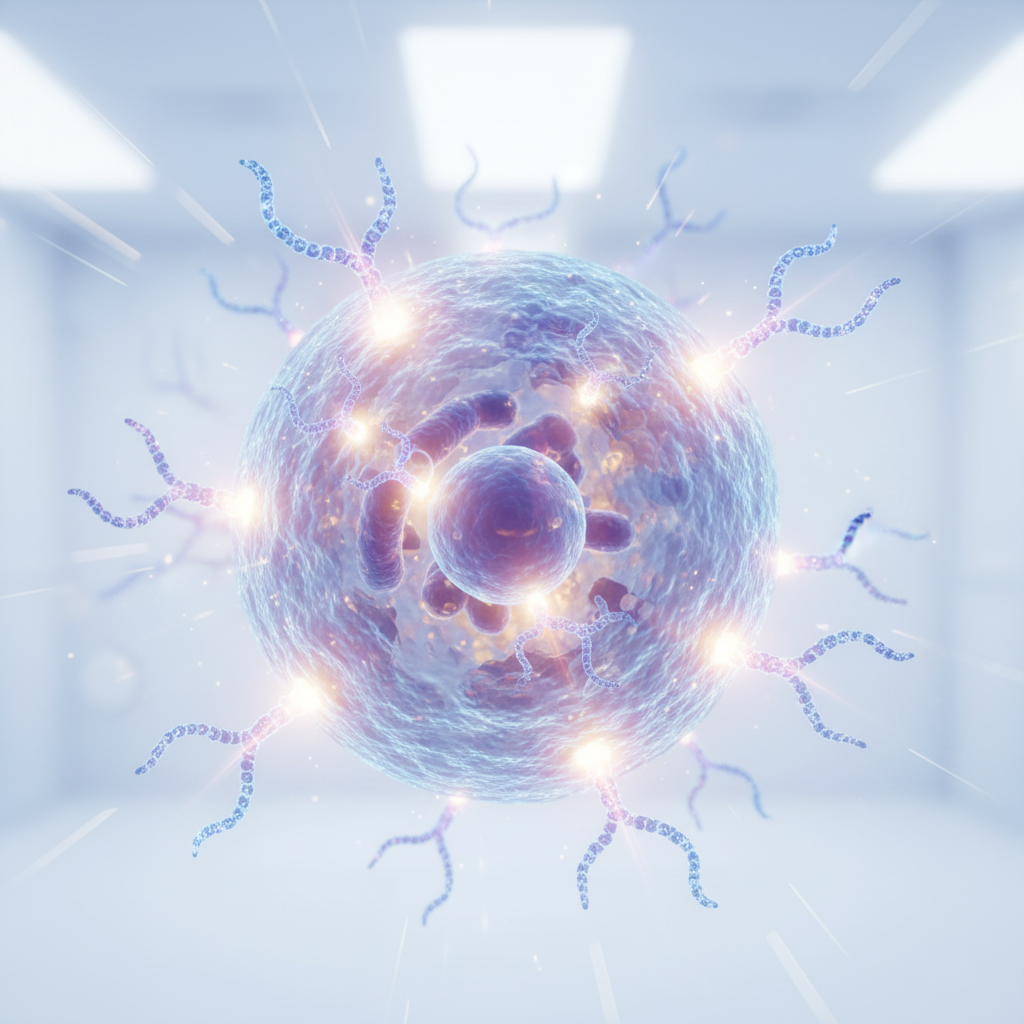
Peptides are the building blocks of proteins, composed of two or more amino acids linked together. In regenerative medicine, they serve as messengers that communicate specific biological commands to the body. When administered correctly, they can:
Stimulate collagen and elastin production for skin and tissue health
Enhance cellular repair and regeneration
Regulate immune system functions
Promote fat metabolism and energy balance
Scientific studies have shown that targeted peptide therapy can rejuvenate tissues at a cellular level, leading to improved overall health and performance.
“Peptide Therapeutics: Current Status and Future Directions” – National Center for Biotechnology Information (NCBI)
https://www.ncbi.nlm.nih.gov/pmc/articles/PMC7682753/
The core of peptides and cellular regeneration lies in their ability to activate key biological pathways that promote healing. Certain peptides mimic natural growth factors that trigger stem cell activity and accelerate tissue repair. For example:
GHK-Cu (Copper Peptide): Promotes wound healing and collagen synthesis.
BPC-157: Enhances muscle and tendon recovery by improving angiogenesis (formation of new blood vessels).
Thymosin Beta-4: Encourages cell migration and tissue remodeling.
These peptides play crucial roles in regenerating damaged tissues and maintaining youthful cellular function, which are foundational goals in regenerative medicine.
Clinicians are increasingly using peptide therapy to complement regenerative treatments. Common therapeutic applications include:
Anti-aging and aesthetic rejuvenation
Muscle recovery and injury repair
Cognitive enhancement and neuroprotection
Hormonal balance and metabolism regulation
At IARM, our integrated regenerative protocols combine peptide therapy with advanced functional and cellular therapies, creating personalized treatment plans that support long-term health optimization.
Internal link:
Explore more about our regenerative medicine programs and how we help healthcare professionals integrate these innovations into their practice.
As science evolves, peptide research continues to unlock new possibilities for tissue engineering and age-related disease management. The precise targeting capabilities of peptides make them a promising alternative to traditional pharmaceuticals, offering improved safety and fewer side effects.
“Advances in Peptide-Based Therapeutics for Regenerative Medicine” – ScienceDirect
https://www.sciencedirect.com/topics/medicine-and-dentistry/peptide-therapy
The combination of peptides and cellular regeneration represents a powerful approach toward extending human health span, not just lifespan.
Peptides are more than molecular messengers—they are the future of regenerative health. By leveraging their natural ability to stimulate cellular regeneration, we can restore, repair, and rejuvenate the body from within.
At IARM, our mission is to empower practitioners and patients alike to experience the full potential of regenerative medicine through innovative, science-based peptide therapies.