Stem cell procedures continue to shape the future of regenerative medicine. However, successful outcomes depend heavily on proper patient selection. Choosing the right candidate improves safety, supports realistic expectations, and enhances treatment results.
Clinicians must evaluate several medical, functional, and ethical factors before recommending therapy. Understanding the patient selection criteria for stem cell procedures helps both providers and patients make informed decisions.
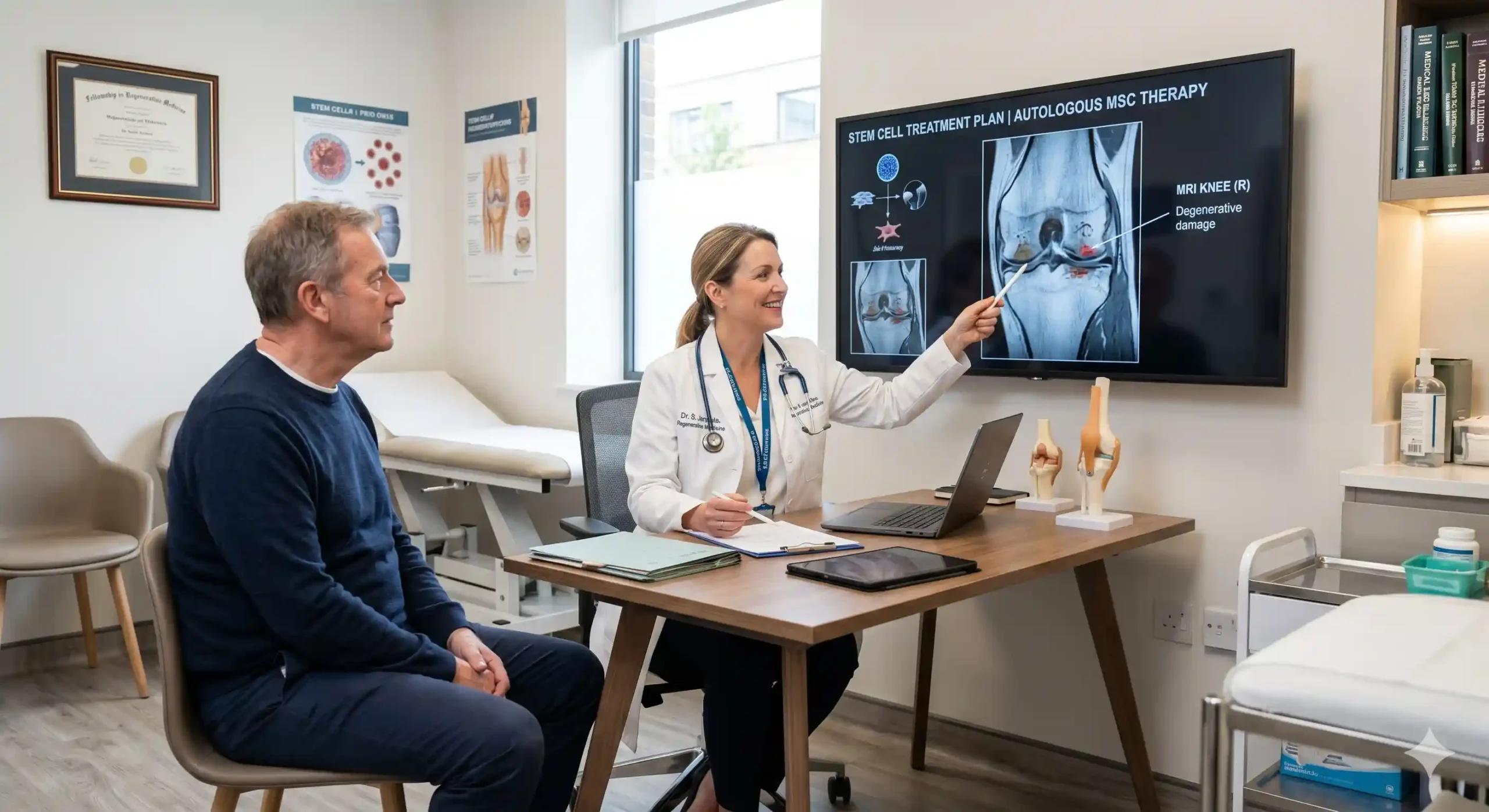
Not every patient is an ideal candidate for biologic therapies. While stem cell procedures may offer healing potential, outcomes vary based on diagnosis, disease stage, age, and overall health.
Proper screening helps:
Training in these standards is essential for providers seeking excellence in regenerative medicine through programs like IARM Training Services. IARM Training Services
A clear diagnosis is the first step. Stem cell procedures are often considered for orthopedic injuries, degenerative joint conditions, soft tissue damage, and select inflammatory disorders.
Imaging studies, physical exams, and prior treatment history should confirm the condition before proceeding.
Patients with mild to moderate degeneration often respond better than those with advanced structural damage. For example, moderate osteoarthritis may be more suitable than end-stage bone-on-bone collapse.
General health strongly influences healing potential. Clinicians should assess:
Patients in better systemic health may experience stronger regenerative responses.
Stem cell procedures are commonly explored after conservative care has failed. This may include:
A documented history supports appropriate treatment planning.
Patients must understand that regenerative medicine aims to improve function, reduce pain, and support tissue repair. It may not provide instant or guaranteed cures.
Clear communication increases satisfaction and long-term compliance.
Some individuals may not be ideal candidates. Temporary or permanent exclusions may include:
Proper medical screening protects patient safety.
Ethical regenerative medicine practice requires transparent informed consent. Providers should explain:
Learn more about clinical ethics from the FDA Human Cells, Tissues, and Cellular Products: https://www.fda.gov/vaccines-blood-biologics/cellular-gene-therapy-products
Clinicians need updated education to make sound patient decisions. Courses that cover diagnostics, biologics, safety, and compliance improve outcomes.
At IARM Training Services, providers gain practical knowledge for modern regenerative medicine applications. https://iarm-usa.com/
Strong patient selection criteria for stem cell procedures remain one of the most important predictors of treatment success. By choosing appropriate candidates, clinicians improve safety, outcomes, and trust.
As regenerative medicine continues to evolve, proper training and ethical screening standards will remain essential.