Regenerative medicine continues to transform modern healthcare by offering innovative approaches that support the body’s natural healing processes. As treatments such as platelet-rich plasma (PRP), stem cell-based therapies where legally permitted, and biologic procedures become more common, patient education has become one of the most valuable tools for clinical success.
Many patients are interested in regenerative medicine but may not fully understand how these therapies work, who may benefit from them, or what realistic outcomes they can expect. Effective patient education bridges this gap by creating informed, confident, and engaged patients.
Healthcare providers who communicate clearly often experience stronger patient relationships, improved treatment compliance, and higher satisfaction throughout the care journey.
Patient education is more than explaining a procedure. It is a continuous process that helps patients make informed healthcare decisions based on accurate, evidence-based information.
Effective Patient Education Strategies for Regenerative Medicine help patients:
Patients who understand both the benefits and limitations of regenerative medicine are more likely to remain engaged throughout treatment.
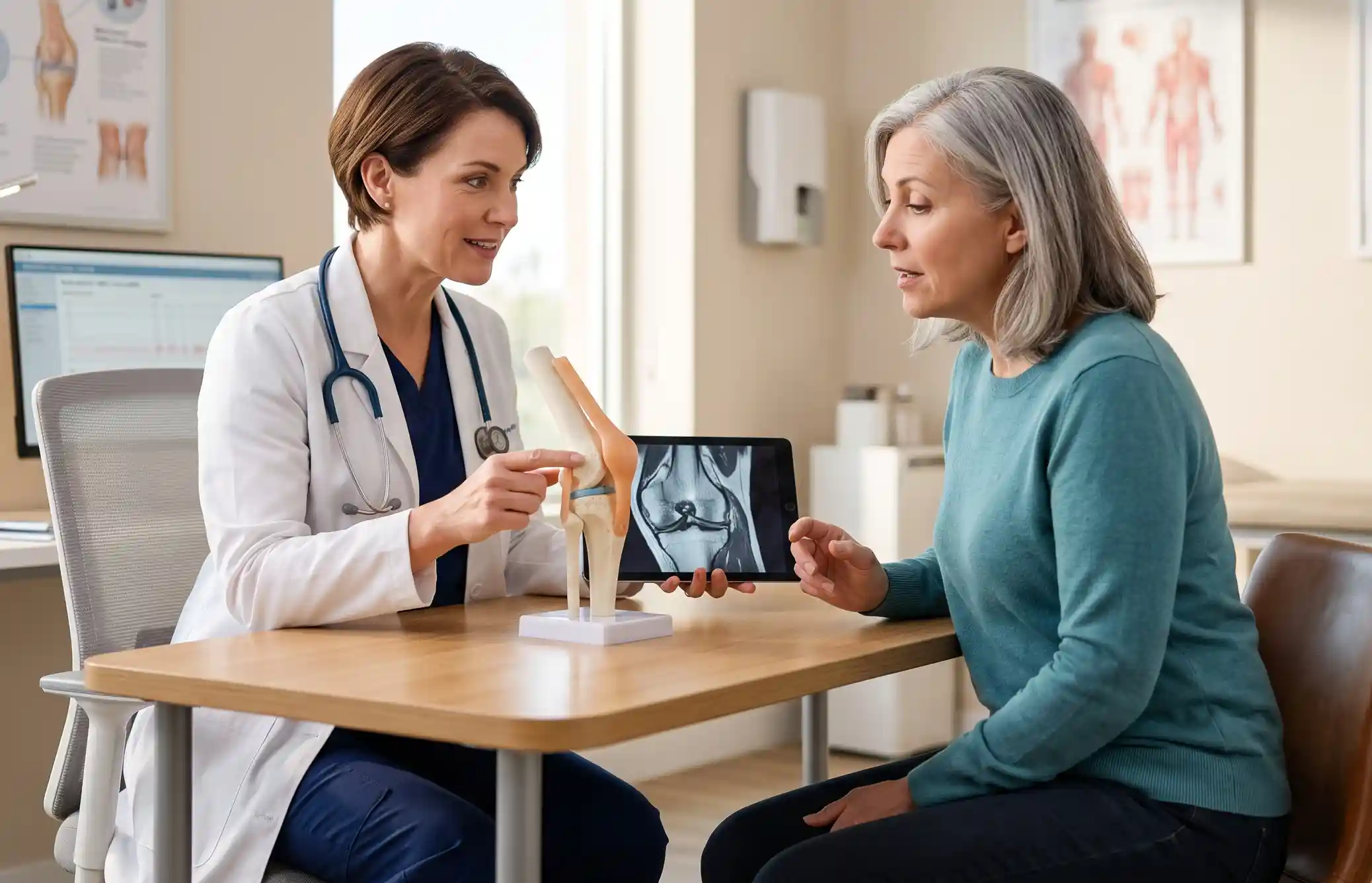
Many regenerative medicine concepts involve complex biological processes. Instead of relying on technical terminology, physicians should simplify explanations while maintaining scientific accuracy.
For example, explain that regenerative medicine aims to support the body’s natural repair mechanisms rather than simply masking symptoms.
Using visual aids, diagrams, anatomical models, and animations can make these concepts easier to understand.
Avoid overwhelming patients with excessive medical jargon during the initial consultation.
One of the most important Patient Education Strategies for Regenerative Medicine is discussing realistic outcomes from the beginning.
Patients should understand that:
Honest conversations build credibility and reduce the likelihood of patient disappointment.
Educational resources should always reflect current scientific evidence.
Useful patient education materials include:
Keeping educational materials updated helps patients receive consistent information before and after treatment.
Patients often hesitate to ask questions during consultations.
Physicians can encourage open communication by asking:
Creating a welcoming environment strengthens trust and improves shared decision-making.
Balanced education is essential for ethical regenerative medicine practice.
Patients should understand potential benefits, including:
At the same time, providers should explain limitations, including:
Transparent communication promotes informed consent.
Every patient learns differently.
Some individuals prefer:
Tailoring education to the patient’s learning style improves understanding and retention.
Personalization also demonstrates genuine patient-centered care.
Education should continue after the procedure.
Provide patients with:
Post-treatment communication helps patients remain confident throughout recovery.
Education extends beyond a single visit.
Practices can continue educating patients through:
Continuous education positions the physician as a trusted healthcare resource.
Excellent patient education begins with well-trained clinicians.
Healthcare professionals who receive comprehensive regenerative medicine training gain confidence in explaining complex procedures while maintaining ethical and evidence-based communication.
Training programs should cover:
These skills improve both patient satisfaction and clinical outcomes.
The International Academy of Regenerative Medicine (IARM) provides physician-focused education designed to help healthcare professionals confidently integrate regenerative medicine into clinical practice.
IARM courses emphasize evidence-based protocols, patient communication strategies, ethical practice, and practical clinical application to help providers deliver exceptional patient care.
Whether introducing regenerative medicine into an existing practice or expanding clinical expertise, comprehensive education remains the foundation of long-term success.
Successful regenerative medicine begins with informed patients.
Implementing effective Patient Education Strategies for Regenerative Medicine helps patients understand their treatment options, participate in shared decision-making, and maintain realistic expectations throughout the healing process.
When physicians combine clinical expertise with clear communication, they strengthen patient trust, improve treatment adherence, and create a more positive healthcare experience. As regenerative medicine continues to evolve, patient education will remain one of the most valuable investments every healthcare practice can make.