
As regenerative medicine continues to advance, healthcare providers must prioritize clear patient communication and informed consent. Stem cell treatments offer exciting possibilities for tissue repair, pain management, and functional improvement. However, patients need accurate information to make informed healthcare decisions.
Effective patient communication and consent in stem cell treatments help establish trust, manage expectations, and ensure ethical clinical practice. Providers who communicate clearly can improve patient satisfaction while reducing misunderstandings about treatment outcomes.
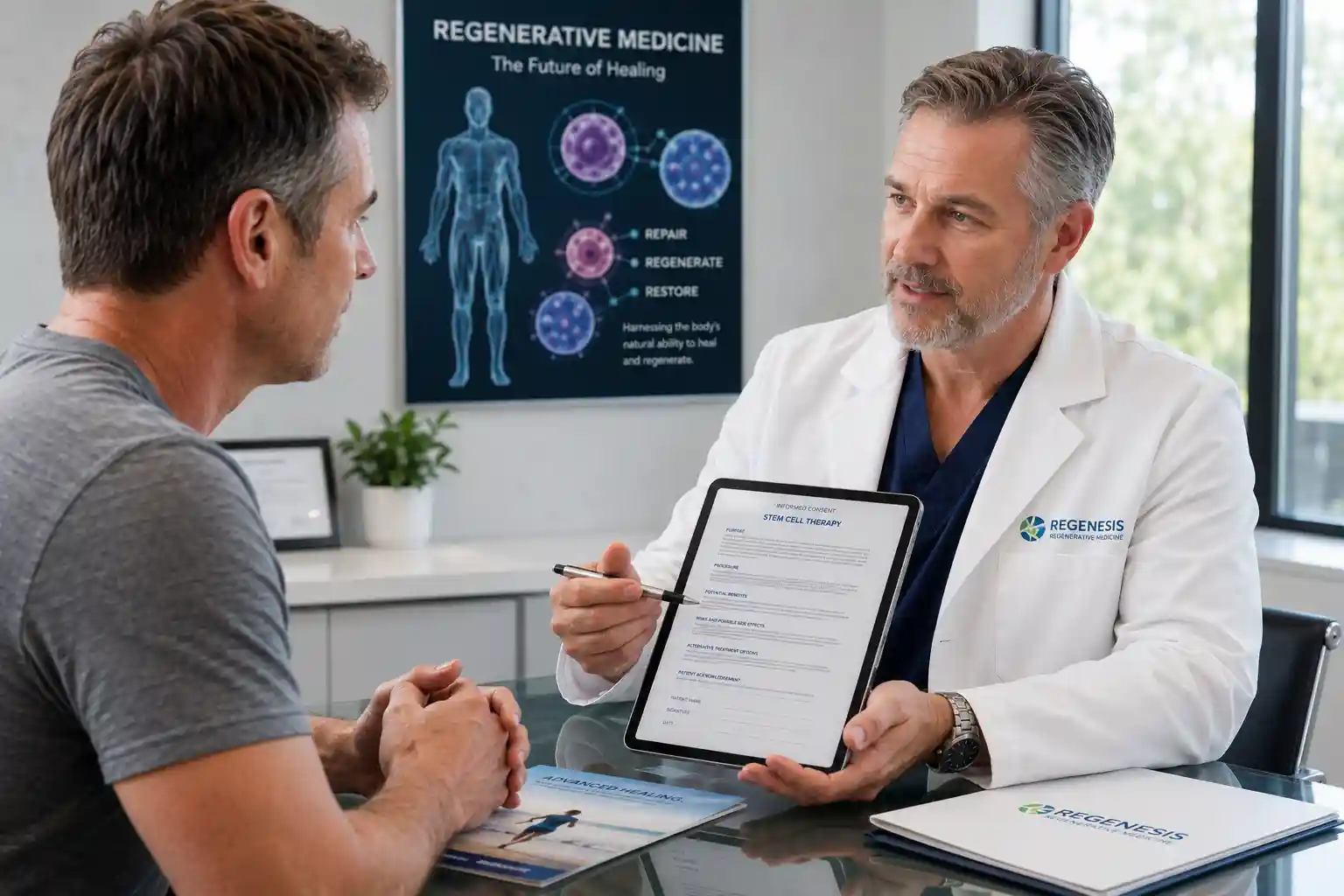
Regenerative medicine therapies often involve innovative treatment approaches that many patients have never encountered before. Consequently, patients may arrive with information gathered from online sources, social media, or anecdotal experiences.
Healthcare providers should explain:
When patients fully understand the procedure, they can make decisions based on realistic expectations rather than assumptions.
Informed consent is more than obtaining a signature on a document. It is an ongoing communication process between the provider and the patient.
A comprehensive consent process should include:
Patients should receive a detailed explanation of the procedure, including how stem cells are collected, processed, and administered.
Providers should discuss anticipated improvements while emphasizing that individual outcomes can vary. No regenerative medicine treatment can guarantee specific results.
Patients deserve a transparent discussion regarding possible complications, including:
Patients should understand other available treatment pathways, including physical therapy, medication management, surgery, or observation.
Encouraging questions promotes patient engagement and confidence in the decision-making process.
One of the most important aspects of patient communication and consent in stem cell treatments is expectation management.
Patients may believe stem cell therapy provides immediate or guaranteed results. Therefore, providers should clearly explain:
Honest discussions help prevent disappointment and contribute to stronger patient-provider relationships.
Proper documentation protects both patients and providers. A thorough consent process should include:
Well-maintained records demonstrate a commitment to ethical and professional standards in regenerative medicine practice.
Trust remains a cornerstone of successful regenerative medicine programs. Patients are more likely to feel comfortable proceeding with treatment when providers communicate openly and honestly.
Transparency includes:
When patients feel informed, they become active participants in their care journey.
Healthcare professionals entering regenerative medicine should receive education not only in clinical procedures but also in communication strategies.
Training programs help providers:
Organizations such as IARM Training Services emphasize comprehensive education that supports both clinical excellence and patient-centered care.
Patient communication and consent in stem cell treatments are essential components of safe and ethical regenerative medicine practice. Clear communication helps patients understand treatment options, benefits, risks, and expected outcomes. Meanwhile, a thorough informed consent process strengthens trust and supports better patient experiences.
As regenerative medicine continues to evolve, providers who prioritize transparency, education, and patient engagement will be best positioned to deliver high-quality care and build lasting patient relationships.