In today’s evolving healthcare landscape, patient-centered care models in integrative medicine are reshaping how treatment is delivered. This approach emphasizes collaboration between patients and practitioners, focusing on the whole person rather than isolated symptoms. Integrative medicine blends conventional and complementary therapies—such as regenerative medicine, nutrition, and mind-body practices—to promote optimal wellness and healing.
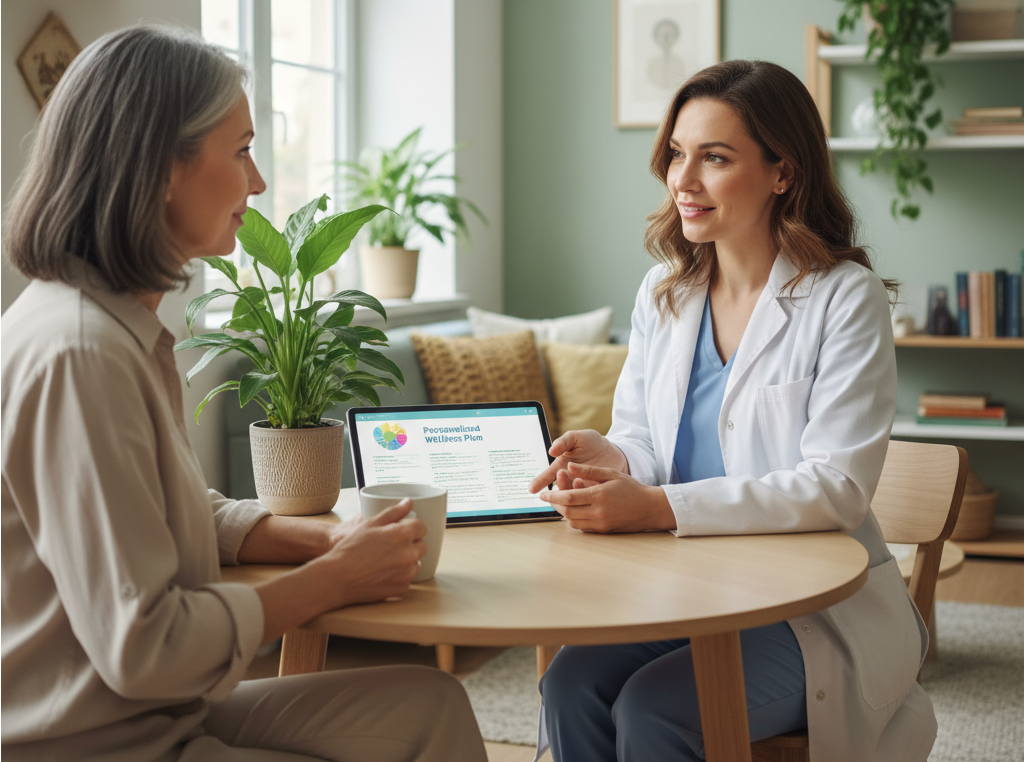
Patient-centered care means prioritizing patients’ values, preferences, and needs in every step of their healthcare journey. In integrative medicine, this philosophy ensures that care plans are personalized, holistic, and evidence-based.
Practitioners work as partners with their patients, empowering them to take an active role in managing their health. This collaboration enhances trust, improves communication, and often leads to better outcomes.
Related Internal Link:
Learn more about personalized regenerative treatments at IARM USA.
Integrative medicine views health as a balance between mind, body, and spirit. Practitioners address nutrition, physical activity, emotional well-being, and regenerative therapies to create a complete wellness plan.
Patient-centered models combine the best of both worlds—modern science and traditional healing. Treatments like regenerative medicine, acupuncture, and lifestyle medicine are supported by research and clinical evidence.
External Source:
Explore more from The National Center for Complementary and Integrative Health (NCCIH): nccih.nih.gov
Patients are encouraged to discuss goals, values, and treatment preferences. This shared approach ensures that care aligns with both medical expertise and individual priorities.
Regenerative medicine plays a significant role in advancing integrative, patient-centered care models. Through techniques such as stem cell therapy, platelet-rich plasma (PRP), and tissue engineering, regenerative medicine promotes the body’s natural ability to heal and restore function.
By combining regenerative methods with lifestyle interventions, patients experience improved outcomes, reduced recovery time, and enhanced overall wellness.
External Supporting Link:
Learn more about regenerative therapies from Mayo Clinic: www.mayoclinic.org/tests-procedures/regenerative-medicine
Enhanced patient satisfaction and engagement
Improved treatment adherence and outcomes
Reduced healthcare costs over time
Emphasis on prevention and wellness
Better management of chronic conditions
Each of these benefits underscores the importance of collaborative, integrative approaches in modern healthcare.
At IARM, patient-centered care isn’t just a concept—it’s a standard. Their approach to regenerative and integrative medicine involves deep assessment, education, and partnership. Every treatment plan is crafted around the patient’s unique biology, goals, and lifestyle.
Visit IARM USA to explore advanced regenerative solutions tailored to your health journey.
Patient-centered care models in integrative medicine represent the future of healthcare—where science meets compassion, and personalization drives healing. By focusing on collaboration, evidence-based therapies, and holistic well-being, these models empower patients to live healthier, more balanced lives.