
Hormonal balance plays a critical role in overall health, longevity, and disease prevention. In recent years, regenerative medicine has embraced hormone balancing techniques as a cornerstone for improving clinical outcomes, enhancing patient vitality, and supporting long-term wellness. By addressing hormonal imbalances at their root, clinicians can unlock powerful healing pathways that complement regenerative therapies.
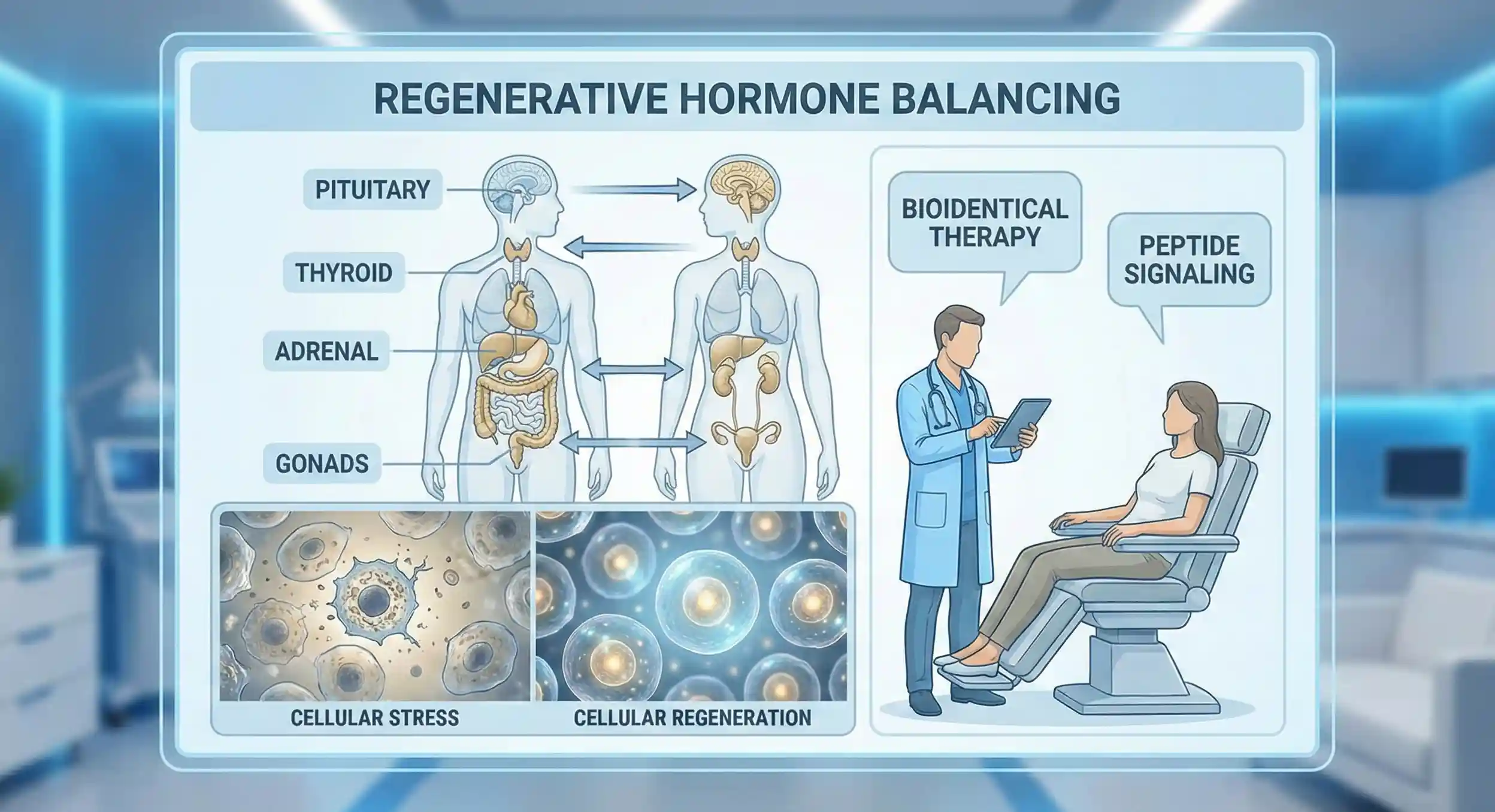
Hormones regulate essential bodily functions such as metabolism, immune response, mood, and tissue repair. When imbalances occur, patients often experience fatigue, inflammation, weight changes, and slowed healing. As a result, clinical outcomes may be negatively affected.
In regenerative medicine, hormone optimization is increasingly recognized as a foundational therapy. By stabilizing hormonal pathways, the body becomes more responsive to regenerative treatments such as stem cell therapy and platelet-rich plasma (PRP).
Several evidence-based hormone balancing techniques are used to enhance regenerative outcomes. These approaches are personalized and guided by advanced diagnostics.
BHRT uses hormones structurally identical to those produced by the body. This technique helps restore balance while minimizing side effects. When integrated into regenerative medicine protocols, BHRT can improve cellular repair and energy levels.
Peptides support hormone signaling and cellular communication. Therefore, they are often used alongside hormone balancing techniques in regenerative medicine to accelerate tissue regeneration and optimize recovery.
Nutrition, sleep, and stress management are essential components of hormone regulation. By addressing these factors, clinicians can sustain hormonal balance and improve long-term clinical outcomes.
Balanced hormones create an internal environment that supports healing. Consequently, regenerative therapies become more effective. Patients often experience faster recovery, reduced inflammation, and improved quality of life.
According to research published by the Cleveland Clinic, hormone optimization supports metabolic and immune function, which are vital for tissue repair.
https://health.clevelandclinic.org/hormone-imbalance/
Additionally, Harvard Health emphasizes the role of hormones in aging and cellular regeneration.
https://www.health.harvard.edu/topics/endocrine-system
At IARM, hormone balancing techniques are seamlessly integrated into regenerative medicine programs. Personalized assessments allow clinicians to tailor treatments that align hormonal health with regenerative goals.
Learn more about advanced regenerative care and hormone optimization at: https://iarm-usa.com/
Patients who undergo hormone balancing as part of regenerative medicine often report:
Improved energy and mental clarity
Enhanced immune response
Faster tissue healing
Better metabolic regulation
Increased treatment longevity
Because of these benefits, hormone balancing has become a key strategy for optimizing clinical outcomes.