The field of regenerative medicine continues to reshape modern healthcare. From stem cell science and tissue engineering to biologics and translational medicine, this discipline creates new opportunities for professionals who want a career with scientific impact and long-term relevance.
Regenerative medicine focuses on restoring tissue function, repairing damaged structures, and supporting healing through biologic innovation. It combines cellular biology, engineering, clinical medicine, and translational science to improve patient outcomes.
As healthcare systems invest more in advanced therapeutics, long-term career growth in regenerative medicine has become increasingly attractive for physicians, researchers, rehabilitation specialists, and healthcare entrepreneurs.
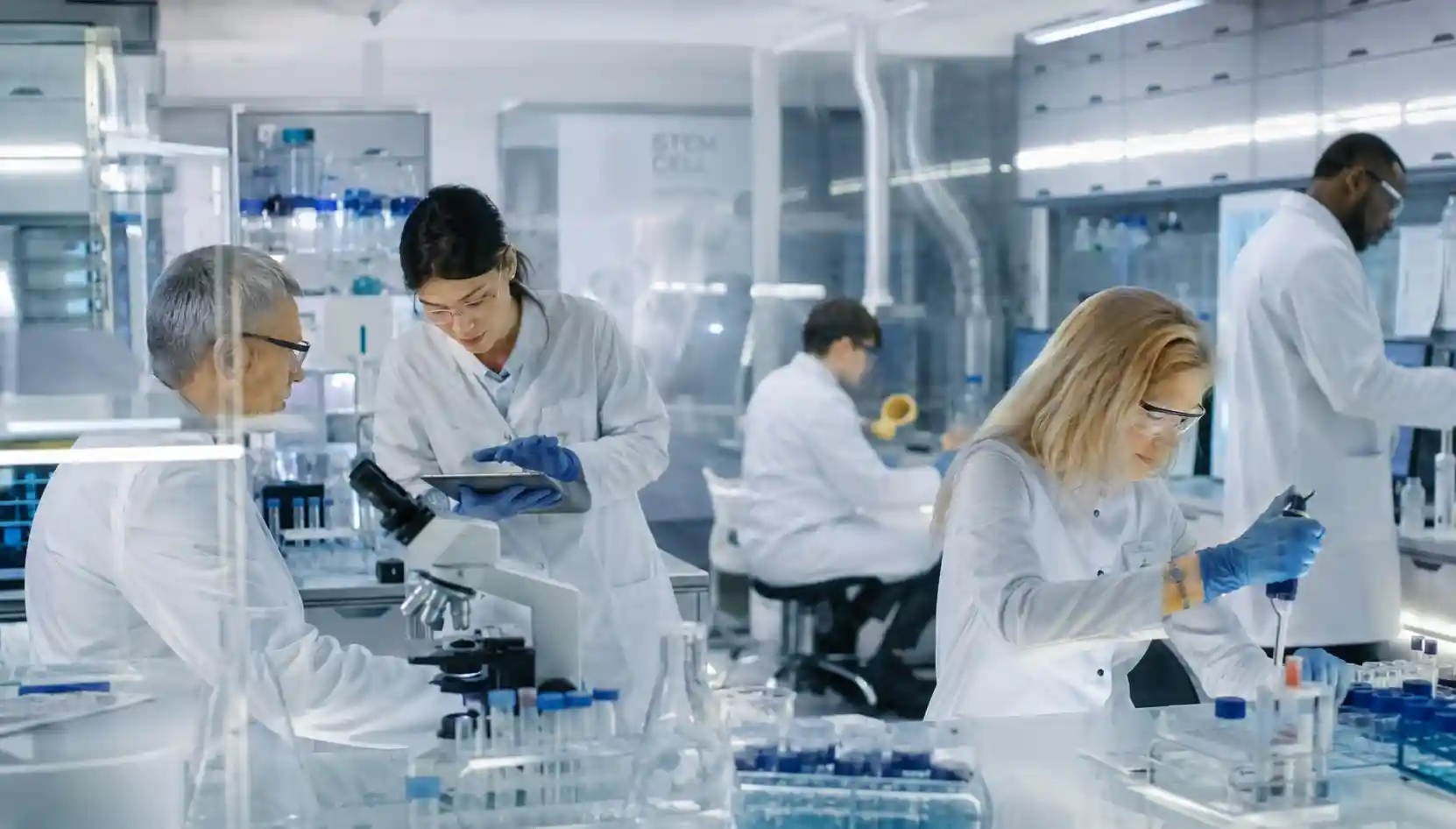
The demand for advanced therapeutic solutions continues to grow globally. Aging populations, chronic musculoskeletal conditions, sports injuries, and degenerative diseases all increase the need for regenerative approaches.
Professionals entering regenerative medicine often benefit from:
Organizations such as the National Institutes of Health (NIH) continue to support regenerative medicine research and translational applications, helping accelerate innovation across healthcare sectors.
Healthcare professionals can integrate regenerative medicine into:
Clinicians who build expertise in biologics, patient selection, and procedural techniques often establish highly specialized practices.
Scientists and medical researchers contribute to:
Research institutions worldwide continue expanding regenerative medicine programs, creating opportunities for academic advancement and innovation.
As the field evolves, demand for qualified educators also grows.
Training organizations like IARM Training Services help healthcare professionals develop advanced competencies in regenerative medicine, procedural techniques, and evidence-based treatment protocols.
This pathway supports:
Biotech companies increasingly seek professionals with regenerative medicine expertise in:
Professionals who combine clinical experience with business understanding often move into executive leadership roles.
To sustain long-term success, professionals should build competencies in:
Continuous education remains essential because regenerative medicine technologies evolve rapidly.
Hands-on training provides clinical confidence and procedural precision.
Start with reputable educational platforms such as:
Real-world application builds credibility. Case management, patient outcomes, and procedural repetition strengthen long-term expertise.
Reading journals, attending conferences, and participating in clinical studies helps professionals remain current with evidence-based developments.
Regenerative medicine continues expanding through:
As new therapies move from laboratory research into routine clinical use, career opportunities are expected to broaden across healthcare and biotechnology sectors.
For professionals seeking innovation, clinical impact, and long-term career growth in regenerative medicine, this field offers exceptional potential.