Interdisciplinary collaboration in regenerative medicine is transforming how healthcare professionals develop and deliver advanced therapies. By combining expertise from multiple medical and scientific fields, practitioners can create more effective and safer treatment approaches.
As regenerative medicine continues to evolve, collaboration between specialists is no longer optional—it is essential. This approach drives innovation while improving patient outcomes and clinical success rates.
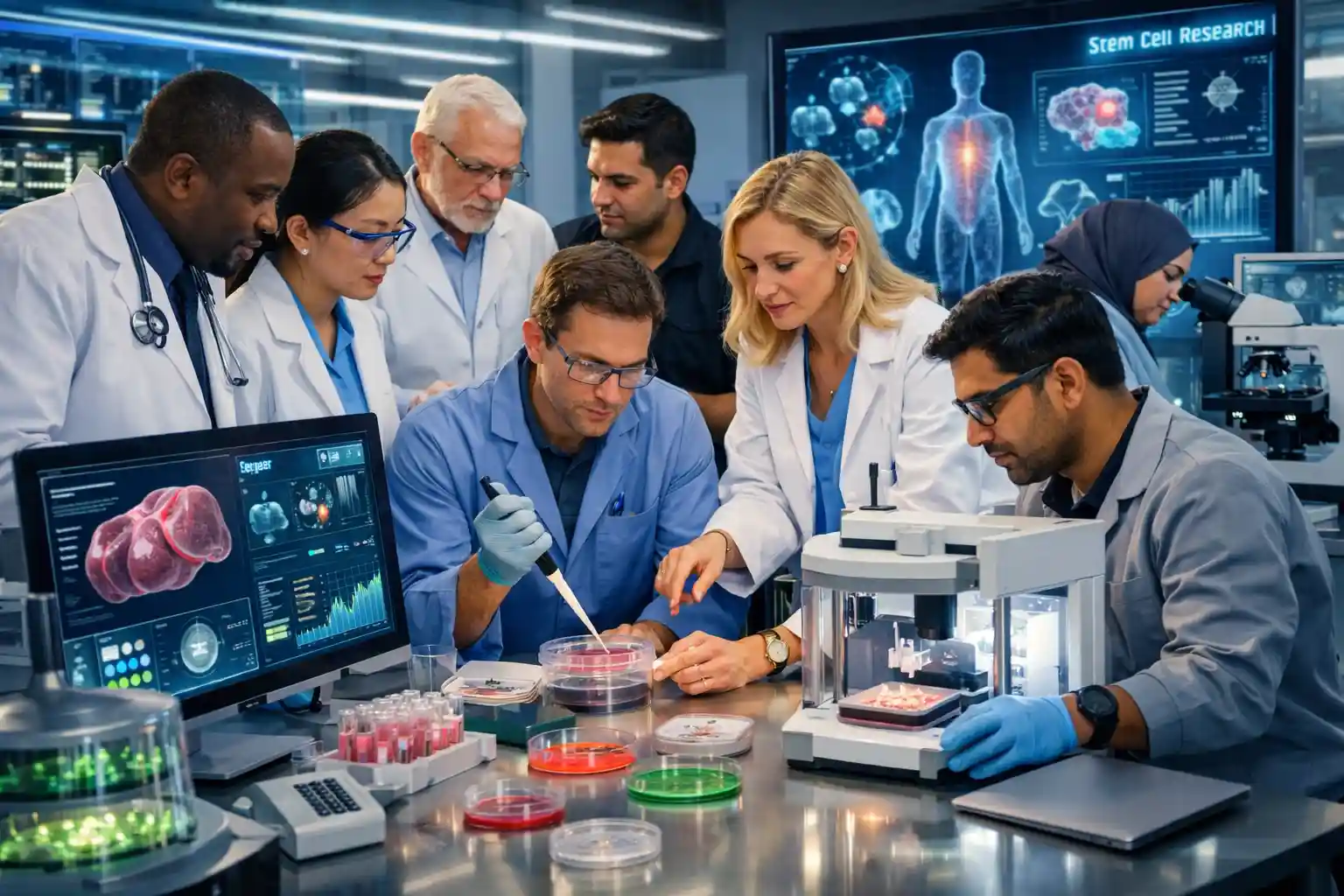
Interdisciplinary collaboration in regenerative medicine involves professionals from different fields working together to design, implement, and refine therapies. These fields often include:
Through this collaboration, teams can address complex medical challenges more efficiently.
When experts collaborate, they bring diverse perspectives that improve diagnostic accuracy and treatment precision. As a result, regenerative medicine therapies become more personalized and effective.
Innovation happens faster when knowledge is shared across disciplines. Researchers and clinicians can translate laboratory findings into clinical applications more efficiently.
Interdisciplinary collaboration in regenerative medicine helps identify potential risks early. Teams can develop safer protocols and reduce complications during treatment.
This field provides insights into how cells function and regenerate. It forms the foundation of regenerative therapies.
Engineers design tools, scaffolds, and delivery systems that support tissue regeneration and healing.
Physicians apply regenerative treatments in real-world settings. Their expertise ensures therapies are safe and effective for patients.
Recovery does not end with treatment. Rehabilitation specialists help patients regain function and maximize therapeutic benefits.
Interdisciplinary collaboration in regenerative medicine is already making an impact in:
These applications demonstrate how collaboration improves both innovation and patient care.
Despite its benefits, collaboration comes with challenges:
However, structured training and standardized protocols can overcome these barriers.
Proper training ensures that professionals understand how to work effectively in interdisciplinary environments. Programs that focus on regenerative medicine collaboration help practitioners:
Learn more about advanced training opportunities at IARM Training Services: https://iarm-usa.com/
These resources provide scientific backing and further reading on interdisciplinary collaboration in regenerative medicine.
The future of regenerative medicine depends on deeper collaboration. As technologies advance, integration between disciplines will become even more critical.
Artificial intelligence, biomaterials, and precision medicine will further enhance collaborative efforts. Consequently, healthcare professionals must adapt and continuously update their skills.
Interdisciplinary collaboration in regenerative medicine is a cornerstone of modern healthcare innovation. It improves patient outcomes, accelerates research, and ensures safer treatment protocols.
As the field grows, collaboration will remain essential for unlocking the full potential of regenerative therapies.