The healthcare landscape continues to evolve as providers seek innovative ways to improve patient outcomes and expand treatment options. One of the most significant developments in modern healthcare is regenerative medicine. As demand for non-surgical and biologic therapies increases, many practitioners are exploring ways of integrating regenerative medicine into existing practices.
Whether you operate a medical clinic, orthopedic practice, sports medicine center, pain management facility, or aesthetic practice, regenerative medicine can complement your current services while enhancing patient care. With proper training, protocols, and implementation strategies, healthcare providers can successfully adopt regenerative medicine into their daily workflows.
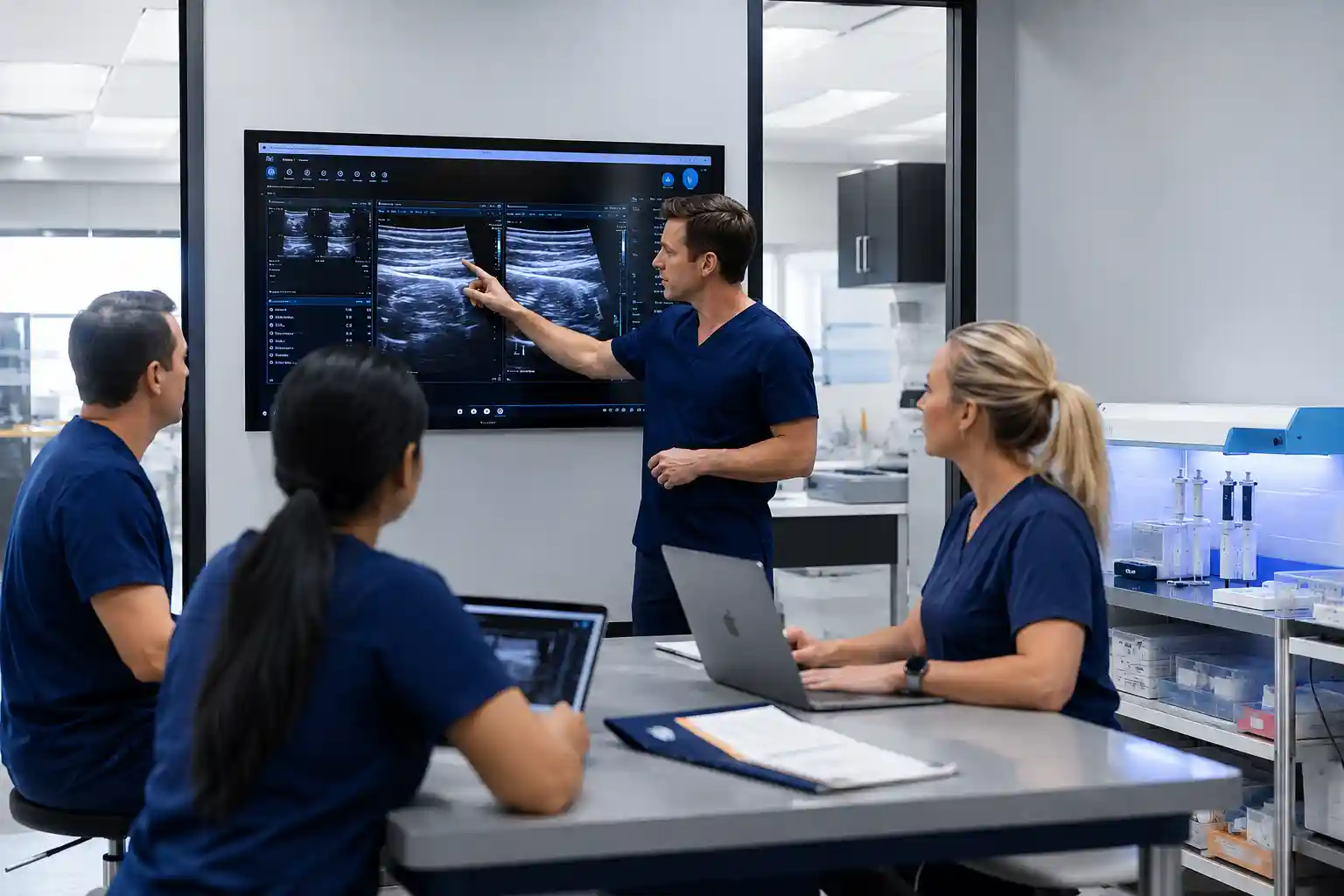
Regenerative medicine focuses on supporting the body’s natural healing processes through advanced biologic therapies and innovative treatment approaches. These therapies aim to repair, restore, or regenerate damaged tissues while reducing dependence on invasive procedures.
Today, regenerative medicine applications are commonly found in:
As patient awareness grows, providers who embrace regenerative medicine can position themselves at the forefront of modern healthcare delivery.
Adding regenerative medicine services offers several advantages for healthcare providers.
Patients increasingly seek alternatives to surgery and long-term medication use. Regenerative medicine allows practitioners to offer additional solutions that align with patient preferences for minimally invasive care.
Many patients appreciate treatment approaches that focus on supporting the body’s natural healing mechanisms. As a result, regenerative medicine can contribute to higher levels of patient engagement and satisfaction.
Healthcare practices that offer advanced regenerative medicine services often attract new patient populations. Furthermore, these services can create opportunities for professional differentiation within competitive healthcare markets.
By incorporating regenerative medicine, providers can address a wider range of patient needs without referring patients elsewhere for biologic treatment options.
Before integrating regenerative medicine into existing practices, providers should evaluate their current infrastructure and capabilities.
Key considerations include:
Conducting a comprehensive assessment helps ensure a smooth transition and sustainable implementation process.
Education remains one of the most important factors when adopting regenerative medicine services.
Healthcare professionals should pursue structured training programs that cover:
Professional training provides the confidence and competency needed to deliver safe and effective regenerative medicine treatments.
IARM offers comprehensive regenerative medicine education designed to help practitioners develop practical clinical skills and implementation strategies.
Internal Link:
Standardized protocols help maintain consistency and quality throughout regenerative medicine programs.
Protocols should address:
Well-defined systems improve efficiency while supporting positive patient experiences.
Patient education plays a critical role when integrating regenerative medicine into existing practices.
Many patients have heard about regenerative therapies but may not fully understand:
Educational materials such as brochures, website content, webinars, and consultations can help patients make informed decisions about their care.
Modern diagnostic tools can enhance regenerative medicine implementation.
Examples include:
These technologies help providers evaluate patients more accurately and monitor treatment progress over time.
Successful regenerative medicine programs require adherence to applicable regulations and professional standards.
Providers should remain informed regarding:
Maintaining compliance helps protect both patients and practitioners.
For additional guidance on regenerative medicine regulations and scientific standards:
Tracking outcomes allows practices to evaluate the effectiveness of regenerative medicine services.
Useful metrics include:
Regular performance reviews support continuous improvement and long-term program success.
Solution: Participate in hands-on regenerative medicine training programs and mentorship opportunities.
Solution: Provide evidence-based education and realistic treatment expectations.
Solution: Gradually introduce regenerative medicine services and optimize scheduling systems.
Solution: Stay informed through reputable organizations and continuing education programs.
The future of regenerative medicine continues to expand as research advances and clinical applications evolve. Providers who begin integrating regenerative medicine into existing practices today can position themselves for future growth while offering patients innovative therapeutic options.
As healthcare increasingly emphasizes personalized and minimally invasive care, regenerative medicine is expected to become an integral component of many medical specialties. Strategic implementation, ongoing education, and evidence-based practice will remain essential for long-term success.
Integrating regenerative medicine into existing practices offers healthcare providers an opportunity to expand treatment capabilities, improve patient experiences, and support practice growth. Success depends on proper training, standardized protocols, patient education, and regulatory compliance.
By investing in regenerative medicine education and implementation strategies, practitioners can confidently introduce advanced biologic therapies while maintaining high standards of patient care. Organizations such as IARM provide valuable training resources that help clinicians successfully navigate this evolving field and build sustainable regenerative medicine programs.