Regenerative medicine is transforming modern healthcare by offering biologic therapies that support the body’s natural healing processes. As demand for these treatments continues to grow, healthcare providers need more than theoretical knowledge—they need practical experience that prepares them for real clinical situations.
This is why practice-oriented regenerative medicine training has become essential. Clinicians who understand both the science and the application of regenerative procedures are better equipped to deliver safe, ethical, and effective patient care.
At the International Academy of Regenerative Medicine (IARM), education is designed to bridge the gap between research and clinical practice, allowing providers to confidently integrate regenerative medicine into their daily workflow.
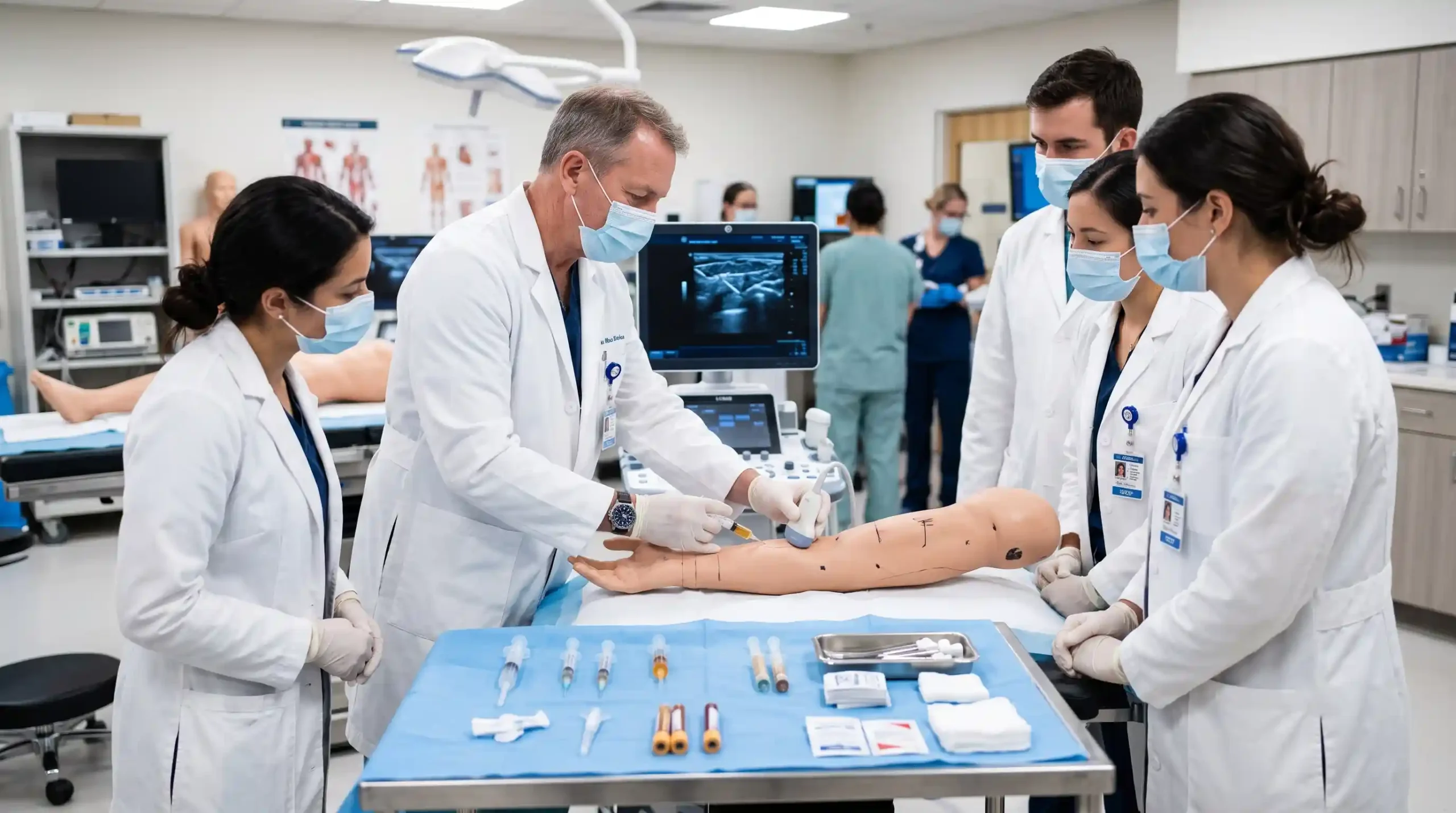
Rather than focusing exclusively on lectures, IARM emphasizes clinical application throughout its educational programs.
Participants learn how regenerative medicine principles translate into patient evaluation, treatment planning, procedural execution, and long-term follow-up.
Core areas include:
This balanced approach helps practitioners understand not only what to do but also why each step matters for achieving consistent patient outcomes.
One of the strengths of practice-oriented regenerative medicine training is exposure to realistic patient cases.
Instead of relying solely on textbook examples, clinicians work through situations commonly encountered in practice, including:
Case-based learning improves clinical reasoning while helping providers understand how protocols should be adapted for individual patients.
Confidence develops through repetition and guided practice.
IARM’s educational philosophy recognizes that procedural skills improve when clinicians receive structured instruction combined with supervised application.
Depending on the course, participants may gain experience with:
Hands-on education helps reduce uncertainty while promoting consistency across clinical procedures. Similar competency-based approaches are widely recognized as effective for regenerative medicine education.
Successful regenerative medicine depends on more than technical skills.
Providers must also understand current scientific evidence, patient eligibility, treatment limitations, and evolving best practices.
IARM incorporates evidence-based learning by emphasizing:
This foundation allows clinicians to make informed decisions while maintaining high professional standards.
Education should prepare clinicians for the realities of patient care—not just certification.
Practice-oriented training addresses operational challenges such as:
These practical skills support smoother implementation and help practices maintain consistency over time.
Regenerative medicine continues to evolve as new research and technologies emerge.
IARM encourages ongoing professional development through collaboration, continuing education, and knowledge sharing among clinicians.
This culture of continuous learning allows providers to:
Professional collaboration remains one of the strongest drivers of responsible innovation within regenerative medicine.
When clinicians receive practical, evidence-based education, patients benefit as well.
Well-trained providers are more likely to:
Ultimately, education focused on real-world practice supports better patient experiences and contributes to higher standards across the regenerative medicine community.
As regenerative medicine continues to expand, healthcare professionals need education that extends beyond theory. IARM’s practice-oriented regenerative medicine training equips clinicians with the knowledge, technical skills, and clinical confidence required to apply regenerative therapies responsibly.
By combining evidence-based instruction, practical experience, ethical decision-making, and ongoing professional development, IARM helps providers successfully integrate regenerative medicine into everyday patient care while supporting the continued advancement of the field.