As regenerative medicine continues to transform modern healthcare, the need for standardized, high-quality education has become essential. Across borders and clinical environments, practitioners must rely on consistent training benchmarks. IARM Training Services plays a critical role in shaping global education standards in regenerative medicine by delivering structured, evidence-based, and internationally aligned training programs.
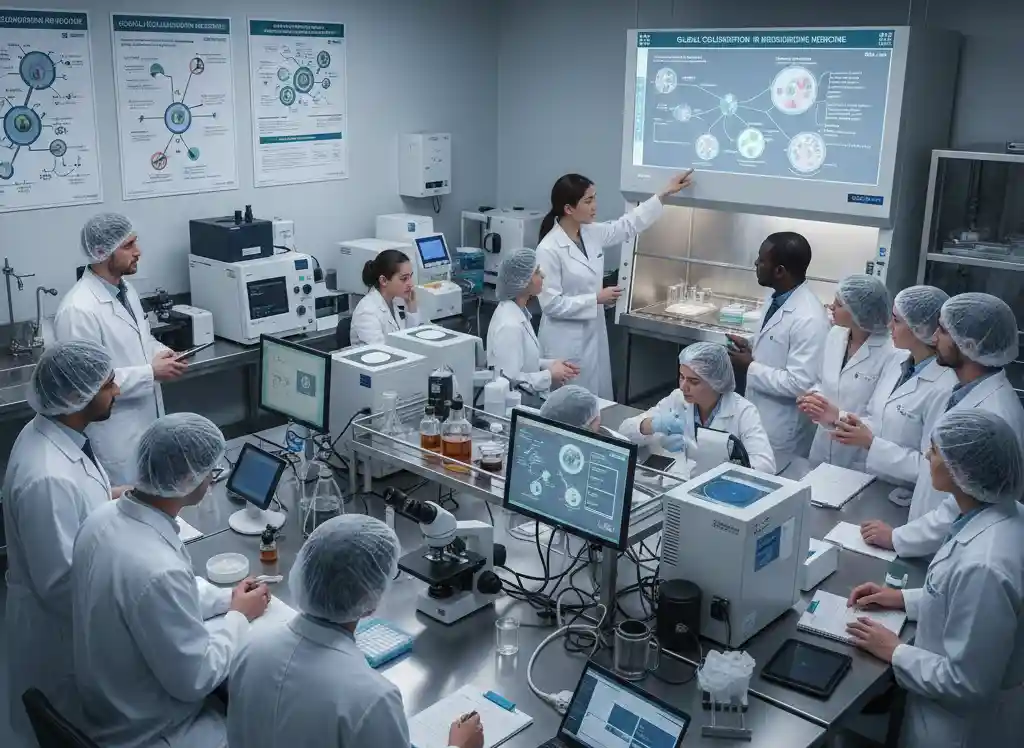
Regenerative medicine integrates advanced cell-based therapies, biologics, and translational research. Because techniques evolve rapidly, inconsistent education can create clinical risk. Therefore, global education standards help ensure:
Patient safety across clinical settings
Ethical and regulatory compliance
Reproducibility of clinical outcomes
International professional credibility
By aligning education with these priorities, regenerative medicine training becomes both reliable and scalable.
IARM global education standards in regenerative medicine are built on a structured framework. This framework balances scientific rigor with real-world clinical application.
All IARM programs are developed using peer-reviewed research, clinical guidelines, and ongoing scientific validation. As a result, learners gain knowledge that reflects current regenerative medicine practices rather than outdated theory.
In regenerative medicine, practical application matters. IARM emphasizes supervised hands-on training to ensure procedural competence. Consequently, participants develop confidence alongside technical skill.
Healthcare regulations vary by region. However, IARM designs its curriculum to align with international education principles while remaining adaptable to local regulatory environments. This approach supports global consistency without sacrificing regional relevance.
Standardized education benefits both individuals and institutions. Through IARM global education standards in regenerative medicine, clinicians are better prepared to:
Integrate regenerative therapies into practice
Communicate effectively with regulatory bodies
Collaborate across international clinical teams
In addition, standardized training improves institutional credibility and patient trust.
IARM actively collaborates with academic institutions, healthcare organizations, and research groups worldwide. These collaborations help refine curriculum content and maintain alignment with global healthcare education trends.
Supporting resources:
World Health Organization – Health Workforce Education
https://www.who.int/teams/health-workforce/education
International Society for Stem Cell Research (ISSCR) Guidelines
https://www.isscr.org/policy/guidelines-for-stem-cell-research-and-clinical-translation
Education standards cannot remain static. Therefore, IARM regularly updates its regenerative medicine programs based on new research, clinical outcomes, and regulatory changes. This continuous improvement model ensures long-term relevance and global credibility.
For more information on IARM’s training philosophy and programs, visit: https://iarm-usa.com/
IARM’s role in global education standards in regenerative medicine extends beyond training delivery. Through evidence-based curriculum design, hands-on learning, and international collaboration, IARM helps establish consistent, ethical, and effective educational benchmarks. As regenerative medicine continues to expand worldwide, such leadership remains essential for sustainable clinical advancement.