Interdisciplinary collaboration in regenerative medicine is transforming how healthcare professionals develop and deliver advanced therapies. By combining expertise from multiple medical and scientific fields, practitioners can create more effective and safer treatment approaches.
As regenerative medicine continues to evolve, collaboration between specialists is no longer optional—it is essential. This approach drives innovation while improving patient outcomes and clinical success rates.
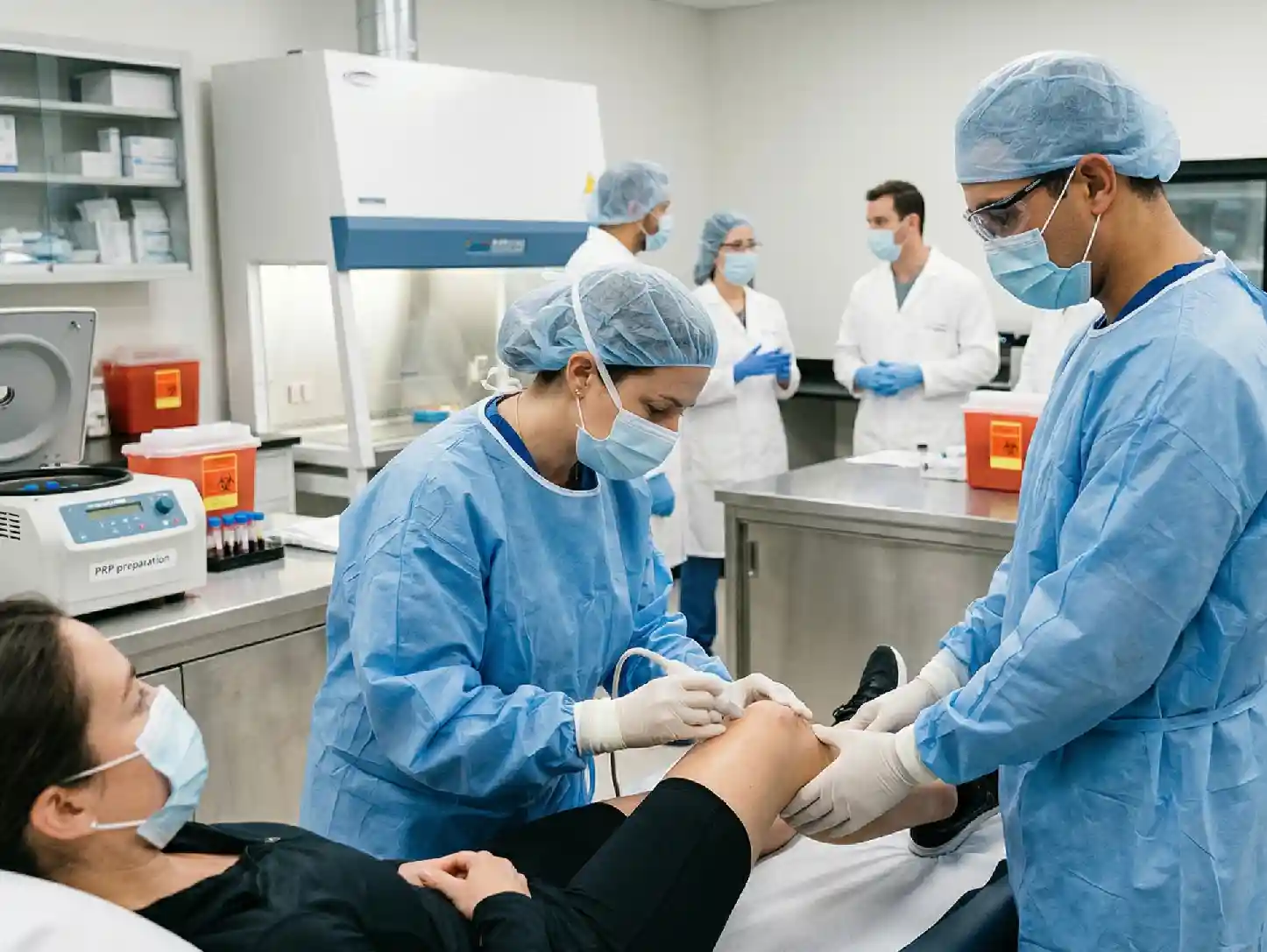
A high-quality regenerative medicine course equips practitioners with the knowledge and practical skills needed to apply therapies such as stem cell treatments, platelet-rich plasma (PRP), and tissue engineering.
Moreover, proper training helps:
Without structured and accredited education, practitioners may face limitations in both safety and effectiveness.
A strong curriculum is the backbone of any high-quality regenerative medicine course. It should include:
Additionally, the course must reflect the latest advancements in regenerative medicine. Since this field evolves rapidly, outdated content can hinder your practice.
Theory alone is not enough. A high-quality regenerative medicine course must provide hands-on experience.
Practical training allows participants to:
Therefore, courses that include live demonstrations and supervised practice sessions are significantly more valuable.
Accreditation ensures that a course meets recognized educational and clinical standards. When evaluating a high-quality regenerative medicine course, look for:
For example, programs offered by International Academy of Regenerative Medicine provide structured and globally relevant training.
Explore more about professional training here:
The quality of instructors plays a crucial role. A high-quality regenerative medicine course should be led by experienced professionals who:
Learning directly from experts ensures that you gain insights beyond textbooks.
Reliable courses emphasize evidence-based medicine. This means the training includes:
By focusing on science-backed methods, a high-quality regenerative medicine course ensures both safety and effectiveness.
Smaller class sizes often lead to better learning outcomes. In a high-quality regenerative medicine course, participants benefit from:
This approach enhances both confidence and competence.
Learning does not stop after certification. The best programs offer:
This ensures that practitioners stay current with innovations in regenerative medicine.
Training in a well-equipped facility prepares practitioners for real clinical settings.
Choosing a high-quality regenerative medicine course is a critical step toward advancing your medical career. From comprehensive curricula to hands-on training and expert instruction, every element plays a role in shaping your expertise.
By investing in the right program, you not only enhance your skills but also contribute to the future of healthcare through safe and effective regenerative medicine practices.