Regenerative medicine continues to reshape modern healthcare. However, advanced concepts alone are not enough to ensure clinical success. Hands-on training in regenerative medicine plays a vital role in translating theory into safe and effective regenerative cell therapy. Through structured practical education, clinicians develop the confidence, precision, and competence required for real-world applications.
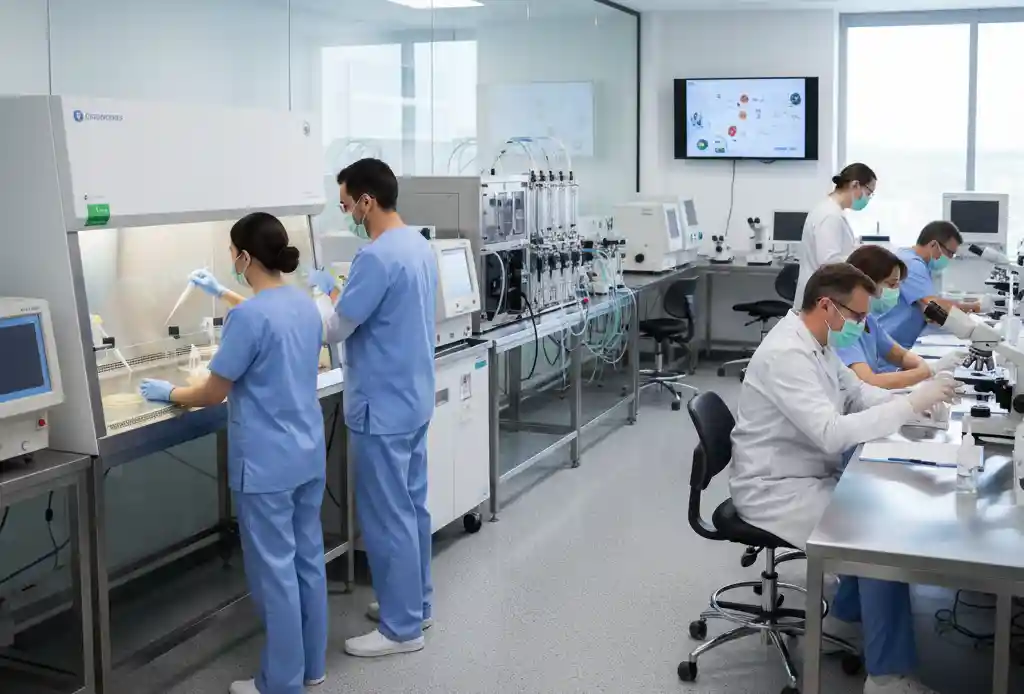
Hands-on training in regenerative medicine bridges the gap between classroom learning and clinical execution. While lectures explain biological mechanisms, practical training allows providers to apply protocols correctly. As a result, patient safety and treatment consistency are significantly improved.
Moreover, regenerative cell therapy involves complex handling procedures. These steps must be performed accurately to preserve cell viability. Without hands-on exposure, even experienced clinicians may struggle to maintain optimal outcomes.
Hands-on training in regenerative medicine strengthens procedural accuracy. Learners practice under expert supervision, which helps reduce technical errors. Over time, proper technique becomes second nature.
Regenerative cell therapy requires careful processing, storage, and administration. Practical training ensures that clinicians understand how each step impacts cell quality. Consequently, treatment outcomes become more predictable and reliable.
Patient safety remains the cornerstone of regenerative medicine. Hands-on training reinforces standardized protocols that align with current regulatory expectations. Therefore, clinicians are better prepared to meet ethical and professional responsibilities.
In addition, well-trained providers are more likely to document procedures correctly. This practice supports transparency and long-term clinical success.
Confidence grows through repetition and mentorship. Hands-on training in regenerative medicine provides both. Trainees can ask questions, refine techniques, and receive immediate feedback. As a result, clinicians feel prepared to integrate regenerative cell therapy into daily practice.
Regenerative Medicine Overview – National Institutes of Health
https://www.nih.gov/research-training/medical-research-initiatives/regenerative-medicine
Cell Therapy Training Standards – International Society for Cell & Gene Therapy
https://www.isctglobal.org/
Professional regenerative medicine education and clinical training programs can be explored at
https://iarm-usa.com/
These resources support the importance of structured, hands-on education in regenerative medicine.
Professional institutions play a critical role in advancing regenerative medicine education. Through hands-on workshops, simulations, and supervised clinical practice, training providers help ensure that regenerative cell therapy is delivered responsibly and effectively.
Hands-on training in regenerative medicine is not optional—it is essential. By combining theory with practice, clinicians gain the skills needed to deliver safe and effective regenerative cell therapy. Ultimately, this approach benefits patients, providers, and the future of regenerative healthcare.