The global demand for regenerative medicine specialists is growing at an unprecedented pace. As healthcare systems shift toward advanced, minimally invasive therapies, regenerative medicine continues to reshape patient care.
Moreover, the increasing prevalence of chronic diseases and aging populations worldwide has intensified the need for highly trained professionals. Because of this, physicians and healthcare providers are now seeking specialized training to stay competitive and deliver better patient outcomes.
The rise in age-related conditions such as osteoarthritis, cardiovascular disease, and degenerative disorders has significantly contributed to the global demand for regenerative medicine specialists.
As a result, regenerative therapies offer new hope by targeting the root cause of tissue damage rather than just managing symptoms.
Technological breakthroughs in stem cell research, tissue engineering, and biologics have accelerated the adoption of regenerative medicine.
Consequently, healthcare providers must continuously update their skills to keep pace with evolving treatment protocols.
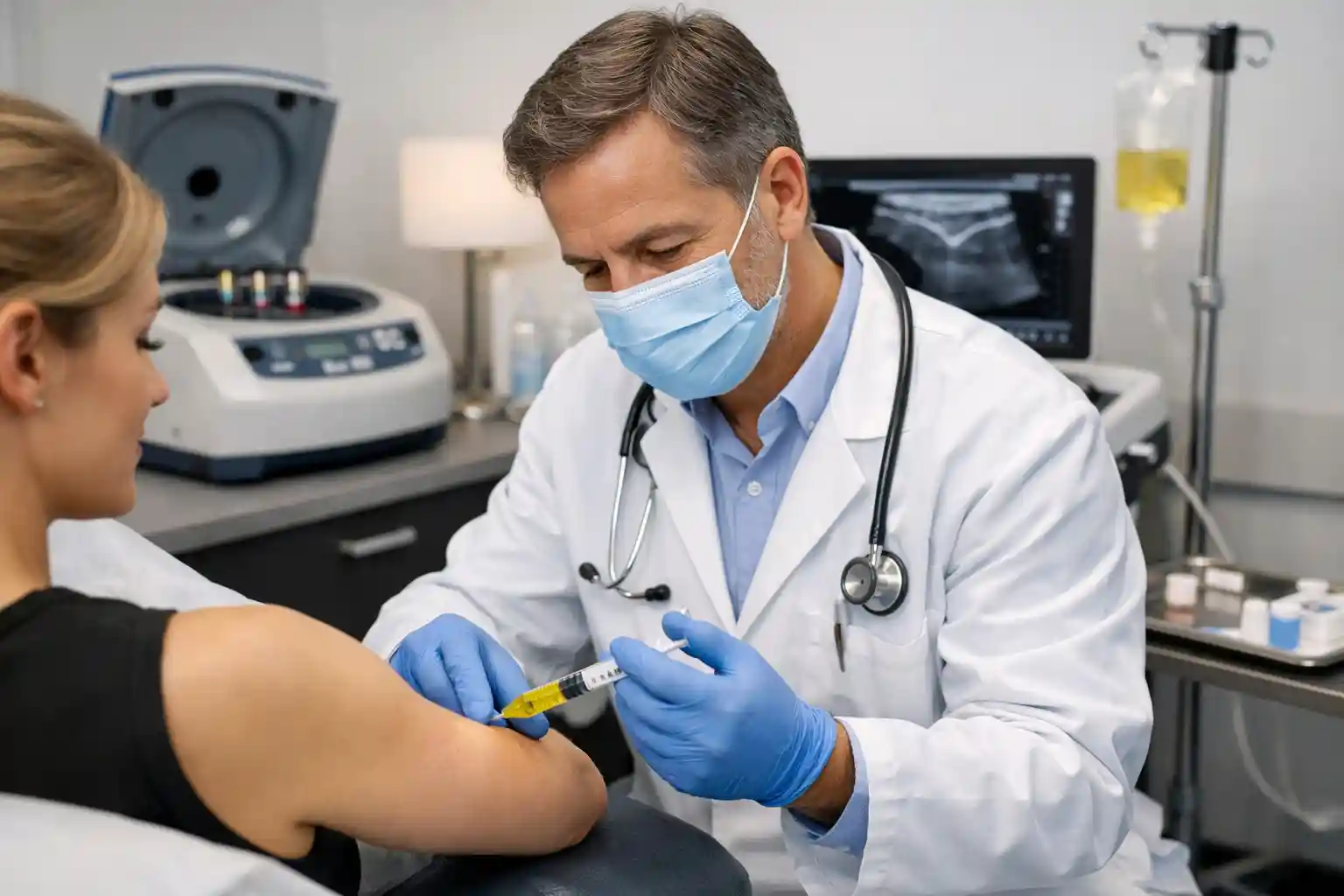
Patients increasingly prefer non-invasive or minimally invasive procedures. Therefore, treatments such as PRP (Platelet-Rich Plasma) and stem cell therapy are gaining widespread popularity.
This trend further fuels the global demand for regenerative medicine specialists across clinics and hospitals.
The expansion of regenerative medicine has opened diverse career pathways, including:
In addition, practitioners trained in regenerative medicine can significantly enhance their practice by offering innovative therapies that attract a broader patient base.
For professionals seeking structured education, training programs offered through
IARM Training Services provide comprehensive, hands-on learning opportunities in regenerative medicine.
North America remains a leader due to strong research infrastructure and high healthcare spending. The U.S., in particular, drives innovation and clinical adoption.
Europe continues to expand with supportive regulatory frameworks and increasing investment in biotech startups.
The Asia-Pacific region is experiencing rapid growth due to medical tourism, lower treatment costs, and expanding healthcare access.
To succeed amid the global demand for regenerative medicine specialists, professionals must develop:
Additionally, continuous education ensures practitioners remain aligned with the latest advancements.
Training plays a critical role in bridging the gap between demand and expertise. Without proper education, practitioners risk poor outcomes and reduced patient trust.
Programs like those offered at
IARM Training Services equip healthcare professionals with practical skills, evidence-based knowledge, and clinical confidence.
Furthermore, structured training ensures that practitioners can safely implement regenerative therapies in their practice.
To further understand the field, explore these authoritative resources:
These resources provide valuable insights into the scientific and clinical advancements shaping the industry.
The future looks promising as the global demand for regenerative medicine specialists continues to rise.
With ongoing innovations and increasing patient awareness, regenerative medicine is expected to become a cornerstone of modern healthcare. Therefore, professionals who invest in training today will be better positioned to lead tomorrow’s medical advancements.