Education in regenerative medicine plays a critical role in shaping the future of healthcare. As innovations continue to emerge, proper training ensures that practitioners apply these advanced therapies safely and effectively. Moreover, structured education bridges the gap between scientific research and clinical practice.
Regenerative medicine is rapidly evolving. Therefore, healthcare professionals must stay updated with the latest techniques and protocols.
Ensures patient safety through standardized practices
Improves treatment outcomes with evidence-based approaches
Reduces risks associated with improper procedures
Builds confidence among practitioners
Additionally, continuous education in regenerative medicine helps clinicians adapt to new technologies and methodologies.
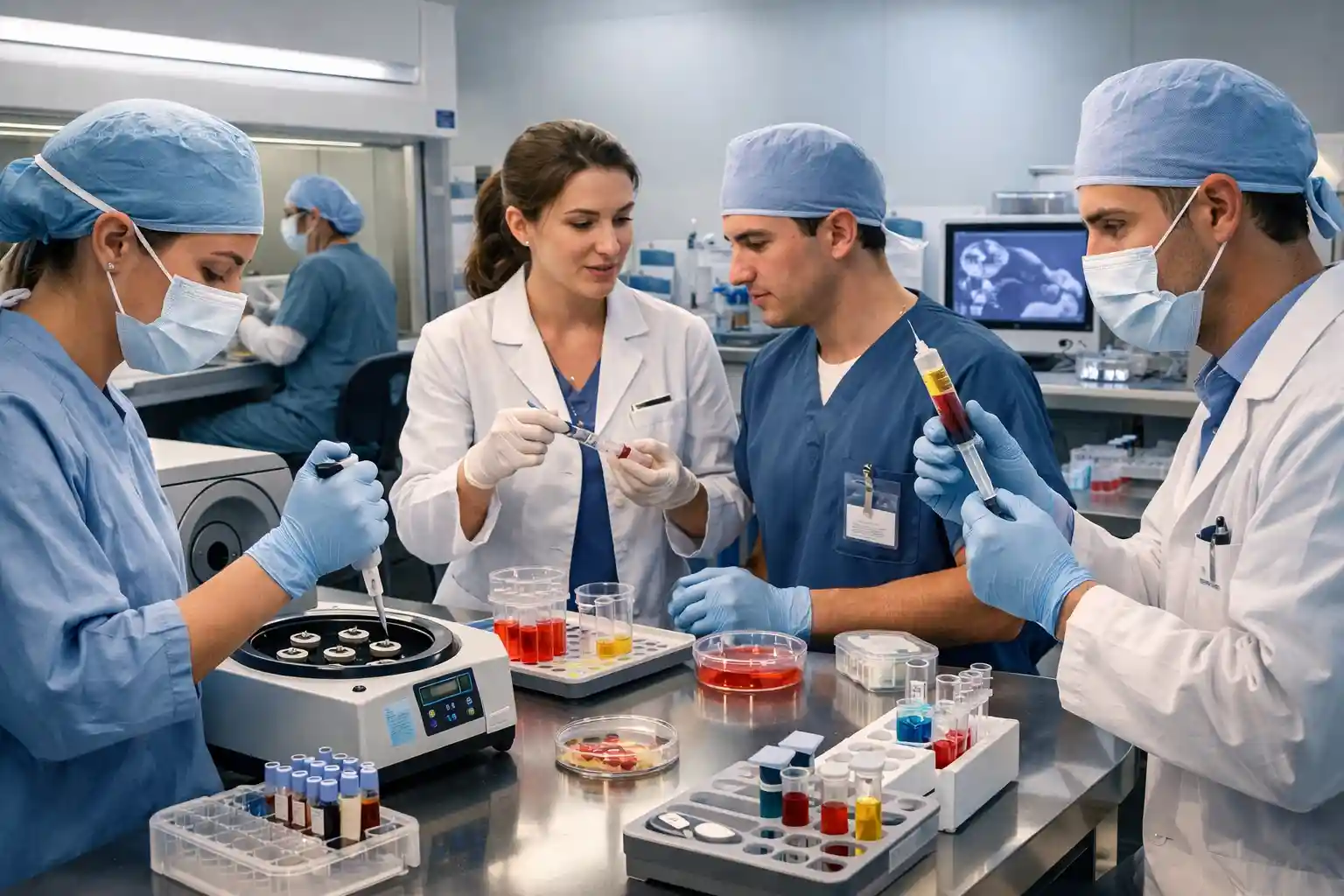
Hands-on training is a cornerstone of education in regenerative medicine. While theoretical knowledge is important, practical application enhances competency.
Real-world procedural experience
Exposure to advanced regenerative technologies
Guidance from experienced instructors
Immediate feedback and improvement
Programs like those offered by IARM Training Services provide structured learning pathways. Explore more here: https://iarm-usa.com/
Education in regenerative medicine connects laboratory discoveries with real-world patient care. As a result, clinicians can apply scientifically validated treatments with confidence.
“Principles of Regenerative Medicine” – https://www.sciencedirect.com/topics/medicine-and-dentistry/regenerative-medicine
National Institutes of Health – Regenerative Medicine Overview – https://stemcells.nih.gov/info/basics
These resources reinforce the importance of ongoing education and research integration.
Without proper education, regenerative procedures may vary significantly. However, training promotes consistency and standardization.
Uniform treatment protocols
Reduced complications
Improved patient trust
Enhanced professional credibility
Consequently, education in regenerative medicine becomes the foundation for safe and reliable care.
Medical advancements never stop. Therefore, practitioners must commit to lifelong learning.
Attend workshops and certification programs
Participate in medical conferences
Engage in peer-reviewed research
Enroll in advanced regenerative medicine courses
Continuous education ensures that professionals remain competitive and competent in their field.
IARM Training Services focuses on delivering high-quality education in regenerative medicine. Their programs are designed to equip healthcare providers with both theoretical knowledge and practical expertise.
Comprehensive curriculum
Expert-led training sessions
Hands-on clinical exposure
Emphasis on safety and outcomes
Learn more about their programs here: https://iarm-usa.com/
Education in regenerative medicine is not optional—it is essential. As the field continues to grow, trained professionals will lead the way in delivering safe, effective, and innovative treatments. By investing in education, healthcare providers ensure better patient outcomes and contribute to the advancement of modern medicine.