Chronic diseases affect millions worldwide, creating long-term health challenges and increasing healthcare costs. Regenerative medicine offers innovative solutions, with cellular therapy emerging as a transformative approach. By harnessing the body’s own cells, clinicians can repair damaged tissues, modulate immune responses, and improve patient outcomes in conditions previously deemed irreversible.
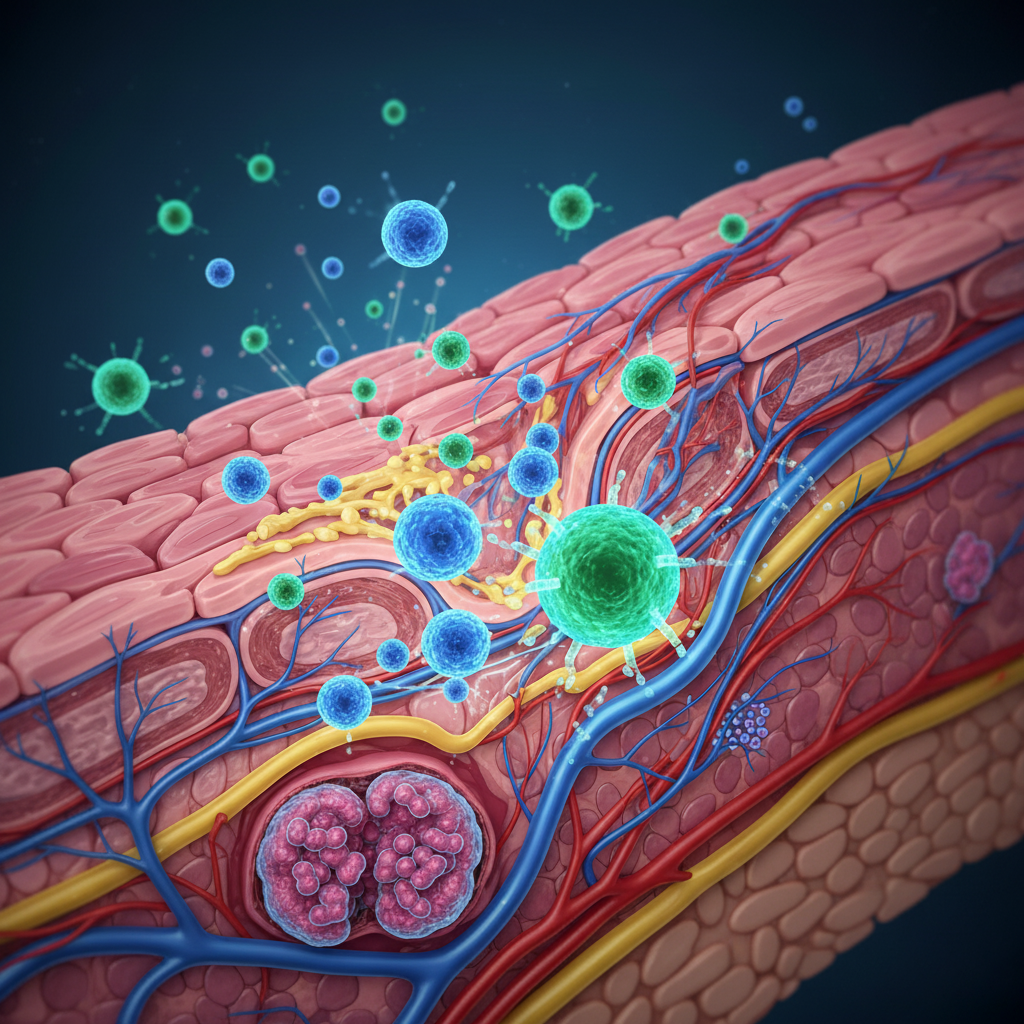
Cellular therapy, a key component of regenerative medicine, involves the transplantation of human cells to replace or repair damaged tissues and organs. Common types include:
Stem cell therapy – Using multipotent or pluripotent cells to regenerate tissues.
Immune cell therapy – Enhancing the immune system to target chronic conditions like autoimmune diseases.
Platelet-rich plasma (PRP) – Promoting tissue repair through concentrated growth factors.
This approach targets the underlying causes of chronic diseases rather than just alleviating symptoms.
Chronic diseases such as diabetes, cardiovascular disease, and osteoarthritis often lead to progressive tissue damage. Regenerative medicine through cellular therapy addresses these conditions by:
Repairing damaged tissues: Stem cells differentiate into specific cell types to replace injured tissue.
Reducing inflammation: Certain cellular therapies modulate the immune system to limit chronic inflammation.
Improving function: Restoring tissue integrity leads to better organ function and patient mobility.
Clinical trials have shown promising outcomes in patients with heart failure, chronic kidney disease, and joint degeneration.
Despite its potential, cellular therapy faces hurdles including:
High costs and accessibility issues
Standardization of procedures
Long-term safety and efficacy data
Ongoing research in regenerative medicine aims to overcome these challenges, integrating gene editing, 3D bioprinting, and personalized cell therapies for enhanced outcomes.
Reference: Harvard Stem Cell Institute Research
Cellular therapy represents a paradigm shift in managing chronic diseases. By leveraging the principles of regenerative medicine, patients now have access to treatments that repair, restore, and rejuvenate damaged tissues, improving quality of life and long-term health outcomes.