The field of regenerative medicine continues to redefine the boundaries of modern healthcare. Through regenerative medicine education, clinicians gain the knowledge and practical skills necessary to apply advanced therapies that restore, repair, and rejuvenate damaged tissues. As this field evolves, education becomes the cornerstone for integrating regenerative practices into daily clinical care.
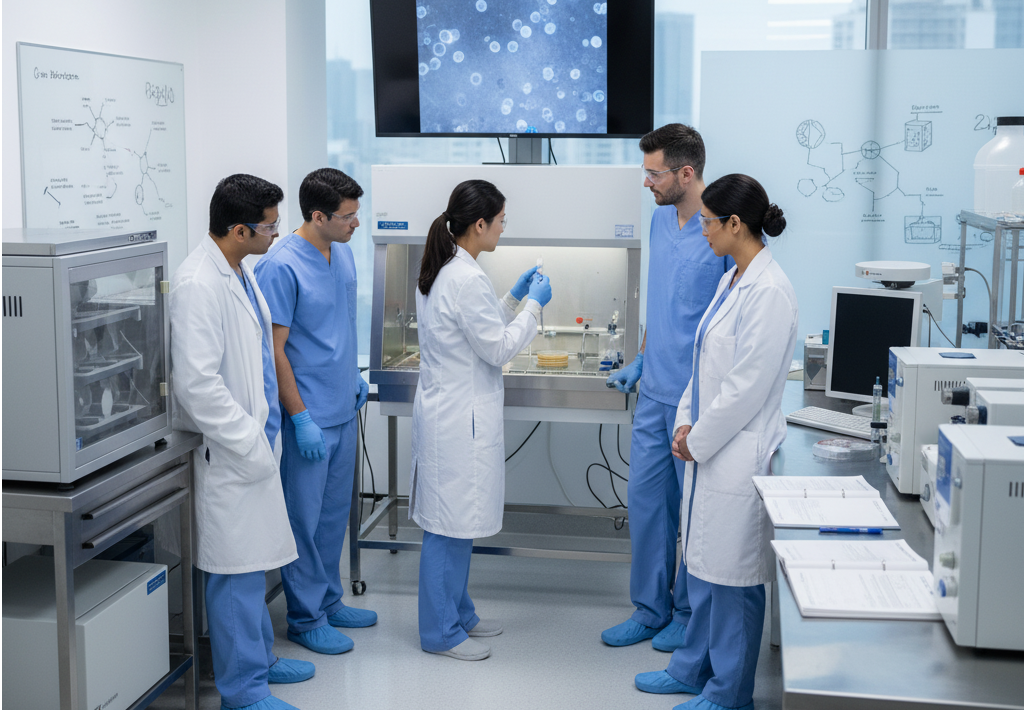
Regenerative medicine is not just a treatment approach—it’s a paradigm shift. Education in this field equips healthcare providers with an understanding of cellular therapies, tissue engineering, and biologics, enabling them to offer patients non-invasive, restorative solutions.
By learning the science behind stem cells, platelet-rich plasma (PRP), and growth factors, clinicians can apply these techniques with confidence and precision. Ongoing education ensures that practitioners remain up-to-date with regulatory standards, ethical considerations, and evidence-based research.
(Learn more about regenerative medicine solutions and training programs at IARM Services.)
Clinicians who invest in regenerative medicine education not only enhance their technical expertise but also improve patient outcomes. By integrating regenerative therapies, physicians can help patients recover faster, reduce pain, and avoid unnecessary surgeries.
At institutions like IARM (Institute of Advanced Regenerative Medicine), comprehensive programs offer both theoretical and hands-on learning experiences designed for medical professionals seeking certification and specialization.
(Explore “The Future of Regenerative Medicine: Education and Innovation” on National Institutes of Health (NIH).)
Education serves as the link between research and real-world application. Through structured training, practitioners learn to interpret scientific data, select appropriate biologic materials, and design personalized treatment plans.
Moreover, regenerative medicine education fosters collaboration between clinicians, scientists, and industry experts—fueling innovation and accelerating clinical adoption.
(Read about “Translational Research in Regenerative Medicine” on Nature Medicine.)
The future of healthcare depends on how effectively we prepare medical professionals to embrace emerging technologies. By investing in regenerative medicine education, clinicians position themselves at the forefront of a healthcare revolution.
From orthopedic surgeons and dermatologists to sports medicine specialists and pain management doctors, regenerative therapies are reshaping how we approach healing.
(Visit IARM’s Education Portal to explore upcoming regenerative medicine certification courses.)
Regenerative medicine education is the foundation of progress in modern healthcare. It empowers practitioners to translate cutting-edge science into clinical excellence, ensuring that patients benefit from the latest advances in healing and tissue regeneration.
As education continues to drive innovation, IARM remains committed to shaping the next generation of regenerative medicine professionals—ready to lead the transformation of clinical practice.