Stem cell science continues to transform modern healthcare. As researchers develop new techniques and technologies, emerging trends in stem cell research are creating exciting opportunities within regenerative medicine. These innovations have the potential to improve patient outcomes, accelerate tissue repair, and expand treatment options for conditions that were once considered untreatable.
Today, regenerative medicine stands at the intersection of biology, biotechnology, and personalized healthcare. As a result, stem cell research remains one of the most rapidly evolving fields in medicine.
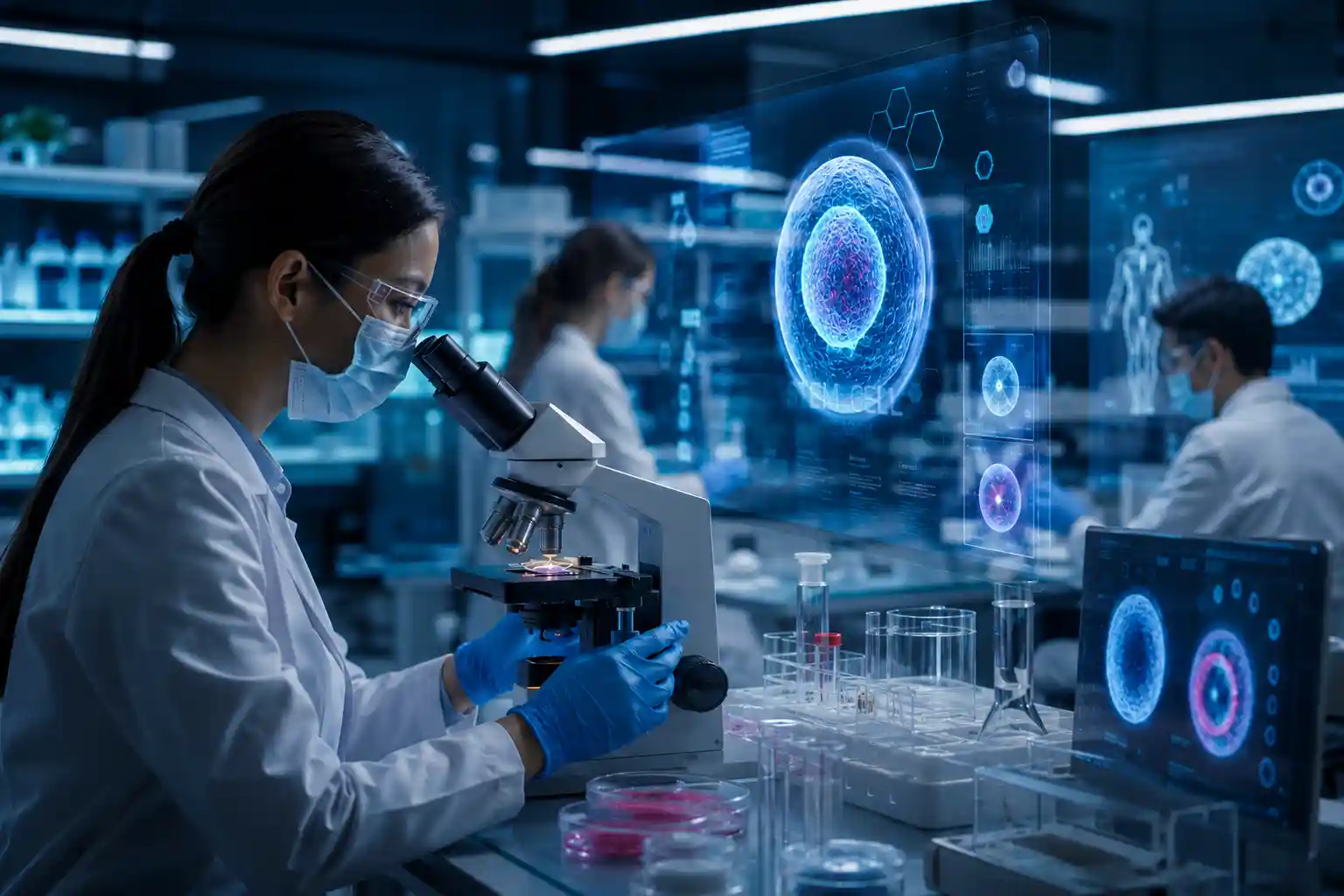
Stem cells possess the unique ability to develop into specialized cell types and support tissue repair. Because of this capability, they play a central role in regenerative medicine applications.
Researchers are currently exploring how stem cells can:
Consequently, healthcare providers and scientists continue to invest heavily in stem cell innovation.
One of the most significant breakthroughs involves induced pluripotent stem cells. Scientists can reprogram adult cells into stem-cell-like states, reducing reliance on embryonic stem cells.
Benefits include:
As research progresses, iPSCs are becoming essential tools in regenerative medicine.
The integration of gene-editing technologies such as CRISPR has created new possibilities for treating genetic disorders.
Researchers can now:
This combination may eventually lead to more effective treatments for inherited conditions and chronic diseases.
Organoids are miniature, laboratory-grown versions of human organs. They provide researchers with valuable insights into disease progression and treatment responses.
Advantages include:
Because organoids closely mimic human tissues, they are becoming increasingly important in regenerative medicine research.
Artificial intelligence is accelerating scientific discovery across healthcare. In stem cell research, AI helps scientists analyze complex biological data more efficiently.
Applications include:
As computational power increases, AI-driven solutions are expected to play an even larger role in regenerative medicine.
Personalized medicine is another major trend transforming healthcare. By using a patient’s own cells, researchers can create highly individualized therapies.
Potential benefits include:
Therefore, personalized regenerative medicine may become a standard approach for many future therapies.
The impact of emerging trends in stem cell research extends across numerous medical specialties.
Researchers are investigating treatments for:
While many therapies remain under investigation, clinical progress continues to accelerate worldwide.
Despite remarkable advances, several challenges remain.
These include:
Nevertheless, ongoing collaboration between researchers, healthcare providers, and regulatory agencies is helping address these barriers.
The future of regenerative medicine appears increasingly promising. Continued advancements in stem cell biology, gene editing, tissue engineering, and artificial intelligence are expected to expand treatment possibilities dramatically.
As these technologies mature, patients may gain access to safer, more effective therapies that support natural healing and tissue regeneration. Consequently, emerging trends in stem cell research will continue to shape the next generation of medical innovation.
Stem cell science is entering an exciting era of discovery. From personalized therapies and gene editing to organoid technology and artificial intelligence, the latest developments are redefining what is possible in regenerative medicine.
Organizations, healthcare professionals, and researchers who stay informed about these emerging trends will be better positioned to contribute to the future of regenerative healthcare and improve patient outcomes worldwide.