Platelet-Rich Plasma (PRP) therapy has become one of the most widely used treatments in regenerative medicine. However, achieving reliable outcomes requires more than understanding the science behind PRP. Healthcare providers must also follow standardized clinical protocols that ensure consistency, safety, and effectiveness.
This is where Protocol-Based PRP Training becomes essential. Structured training programs help practitioners develop repeatable processes that improve treatment quality and patient outcomes. As regenerative medicine continues to grow, protocol-driven education is becoming a key factor in clinical success.
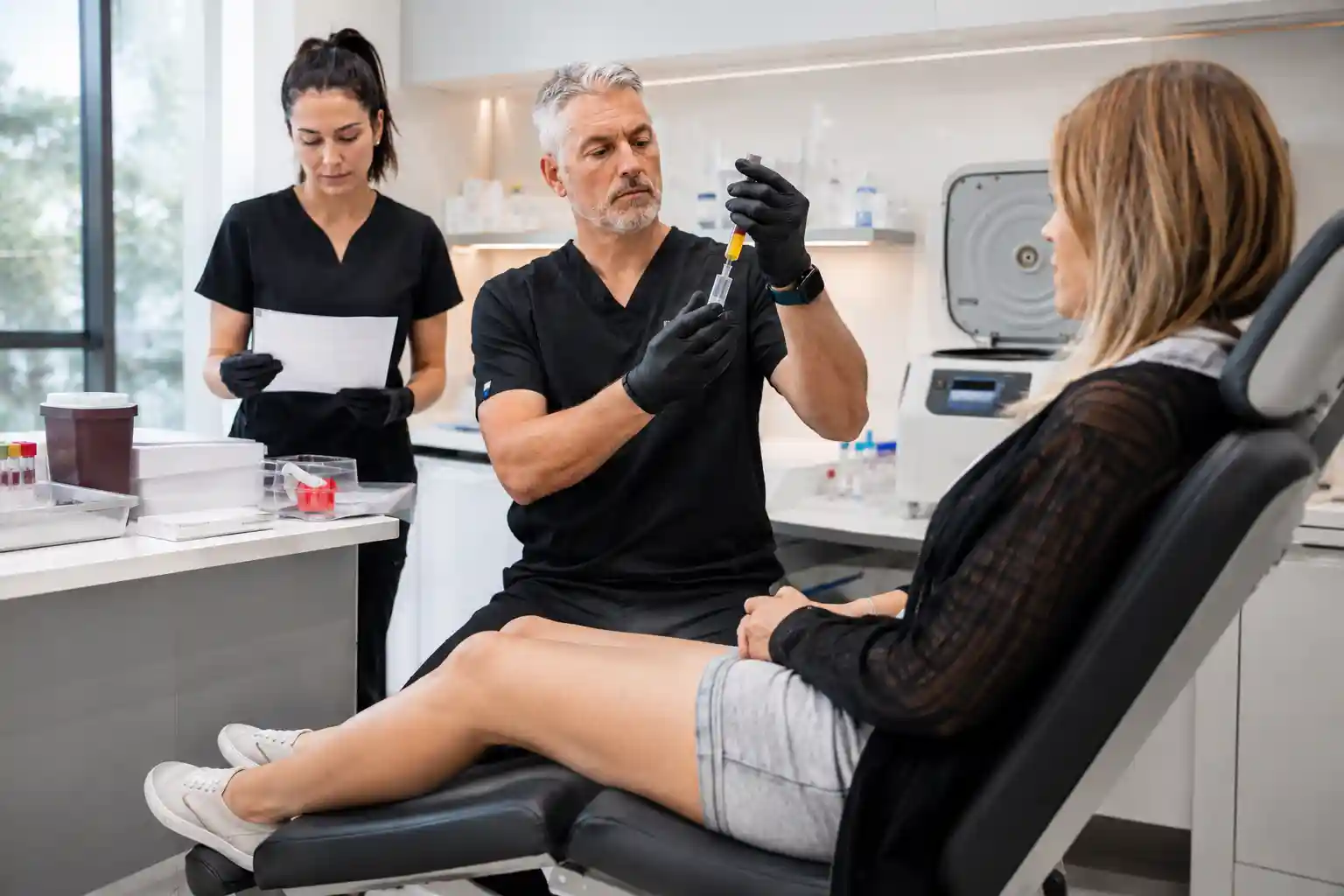
PRP therapy involves collecting a patient’s blood, processing it to concentrate platelets, and injecting the prepared plasma into targeted tissues. Although the concept appears straightforward, several variables can influence treatment results.
These variables include:
Without standardized procedures, outcomes may vary significantly between providers. Protocol-Based PRP Training reduces this variability by teaching evidence-based methods that can be consistently applied in clinical practice.
As a result, practitioners gain confidence while patients receive more predictable care.
One of the primary advantages of protocol-based training is consistency.
When practitioners follow established protocols, they can reproduce procedures more accurately from patient to patient. Consistent preparation and administration of PRP help ensure that the biological components responsible for healing are delivered effectively.
Furthermore, consistency allows clinicians to:
In regenerative medicine, standardized approaches often contribute to better long-term patient satisfaction and treatment success.
Not every patient is an ideal candidate for PRP therapy. Therefore, proper patient assessment is critical.
Protocol-Based PRP Training teaches healthcare professionals how to evaluate:
By following structured assessment protocols, clinicians can identify patients who are more likely to benefit from PRP treatments.
This approach minimizes inappropriate treatment recommendations and supports better clinical outcomes.
The effectiveness of PRP therapy depends not only on the quality of the plasma but also on where it is delivered.
Training programs that emphasize protocols often include:
As practitioners become more proficient with standardized injection techniques, treatment precision improves. Consequently, patients may experience more favorable outcomes and reduced procedural complications.
Regenerative medicine continues to evolve through ongoing research and clinical experience.
Protocol-based education incorporates current evidence into training programs, helping practitioners stay aligned with best practices. Instead of relying solely on individual preferences, clinicians learn methods supported by scientific literature and expert consensus.
Organizations such as the American Academy of Orthopaedic Surgeons and the American Medical Society for Sports Medicine continue to contribute valuable research and guidance related to orthobiologic treatments.
By applying evidence-based protocols, practitioners can make more informed clinical decisions and improve treatment consistency.
Patient safety remains a top priority in regenerative medicine.
Standardized protocols help reduce procedural errors by providing clear guidance throughout the treatment process. This includes:
When healthcare providers follow established workflows, opportunities for mistakes decrease. In turn, clinics can maintain higher safety standards and deliver a more professional patient experience.
Many healthcare professionals enter regenerative medicine from diverse backgrounds, including orthopedics, sports medicine, pain management, and primary care.
A structured educational framework allows practitioners to develop skills progressively rather than relying on trial and error.
Protocol-Based PRP Training helps clinicians:
This foundation can accelerate professional growth while supporting higher-quality patient care.
Comprehensive training organizations play a critical role in advancing regenerative medicine standards.
Programs that combine scientific education, hands-on experience, and protocol-driven instruction help practitioners translate knowledge into real-world clinical practice.
Healthcare providers seeking specialized education can explore regenerative medicine training resources through IARM Training Services, which offers educational programs focused on practical implementation, procedural skills, and evidence-based treatment approaches.
As regenerative medicine becomes increasingly integrated into mainstream healthcare, the demand for standardized clinical practices will continue to grow.
Patients expect safe, effective, and predictable treatments. Protocol-based training helps practitioners meet these expectations by providing a framework for consistency, quality, and continuous improvement.
Clinicians who invest in structured education are better positioned to:
Ultimately, Protocol-Based PRP Training serves as a foundation for excellence in regenerative medicine practice.