
Chronic pain affects millions of people worldwide and often limits mobility, productivity, and quality of life. While conventional treatments such as medications, physical therapy, and surgery remain important, many healthcare professionals are exploring regenerative medicine solutions that address the underlying causes of pain rather than simply masking symptoms.
One of the most promising regenerative medicine therapies is Platelet-Rich Plasma (PRP). PRP for chronic pain management has gained significant attention because it utilizes the body’s natural healing mechanisms to support tissue repair and reduce inflammation.
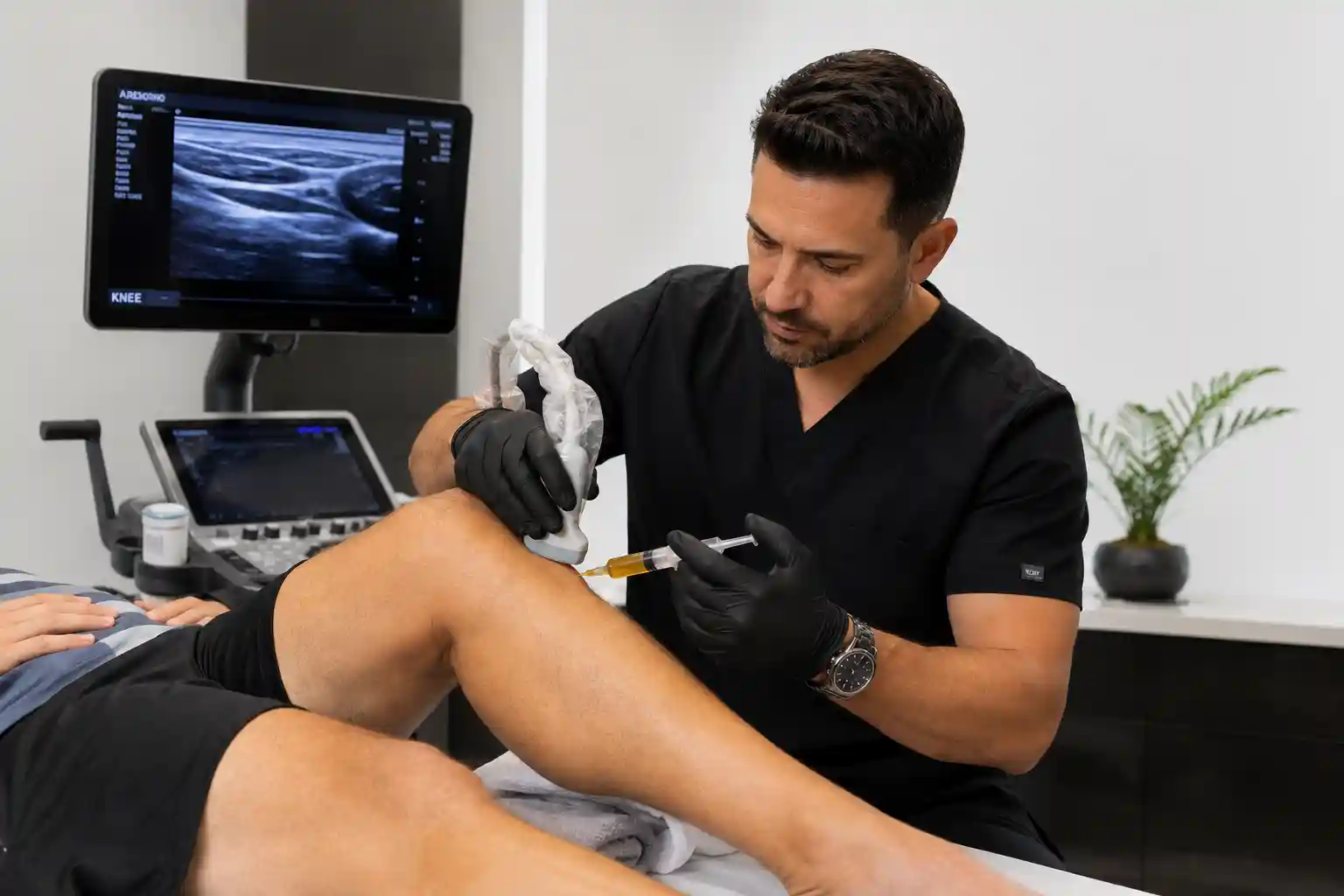
Platelet-Rich Plasma is a concentrated preparation of platelets derived from a patient’s own blood. After processing the blood through centrifugation, clinicians obtain a plasma fraction containing a higher concentration of platelets and growth factors.
These growth factors play a critical role in tissue healing by promoting:
As a result, PRP has become an important component of modern regenerative medicine protocols.
Learn more about regenerative medicine education through the official IARM website:
Traditional pain management often focuses on symptom control. Although medications and injections can provide relief, they may not always address tissue degeneration or chronic inflammation.
PRP for chronic pain management offers a different approach by supporting the body’s natural healing response.
Potential advantages include:
Consequently, many practitioners are incorporating PRP into comprehensive pain management strategies.
Osteoarthritis is among the most common causes of chronic pain. PRP injections may help reduce inflammation and support joint function, particularly in the knee, hip, and shoulder.
Chronic tendon injuries often respond poorly to conventional treatments. PRP may assist healing in conditions such as:
Ligaments have limited blood supply, which can slow healing. PRP may help stimulate tissue repair and improve function in selected cases.
Certain forms of chronic lower back pain may benefit from regenerative medicine interventions, particularly when soft tissue degeneration contributes to symptoms.
Research continues to explore the biological mechanisms that make PRP effective for chronic pain conditions.
Key growth factors found in PRP include:
These molecules help regulate tissue repair processes and may contribute to long-term improvements rather than temporary symptom suppression.
For additional scientific information on platelet-rich plasma, visit:
Successful outcomes depend heavily on proper patient assessment. Not every chronic pain condition is an ideal candidate for PRP therapy.
Healthcare providers should evaluate:
Careful patient selection improves treatment planning and helps establish realistic goals.
The effectiveness of PRP for chronic pain management is influenced by several factors:
High-quality PRP begins with standardized preparation protocols. Variations in centrifugation techniques can affect platelet concentration and final product quality.
Ultrasound guidance can improve injection accuracy and ensure delivery to the intended target tissue.
Rehabilitation protocols often play a crucial role in optimizing outcomes. Exercise progression and activity modification should be tailored to the patient’s condition.
Regular follow-up allows practitioners to monitor progress and make evidence-based adjustments to treatment plans.
As regenerative medicine continues to evolve, proper education becomes increasingly important. Healthcare professionals must understand:
Comprehensive training helps ensure that PRP therapies are delivered safely and effectively.
Healthcare providers seeking advanced education can explore regenerative medicine training opportunities through:
The future of PRP for chronic pain management appears promising. Ongoing research is refining treatment protocols, improving standardization, and identifying which patients are most likely to benefit.
As evidence continues to grow, PRP is expected to remain a valuable component of regenerative medicine, particularly for musculoskeletal and orthopedic applications.
Clinicians who stay informed about emerging research and best practices will be well-positioned to offer innovative treatment options that support both healing and long-term functional improvement.
PRP for chronic pain management represents an important advancement in regenerative medicine. By leveraging the body’s own healing potential, PRP offers a minimally invasive option for patients suffering from chronic musculoskeletal conditions.
When combined with appropriate patient selection, standardized preparation methods, and evidence-based clinical protocols, PRP can become a powerful tool in modern pain management. As the field continues to advance, ongoing education and specialized training remain essential for healthcare professionals committed to delivering high-quality regenerative medicine care.