Platelet-Rich Plasma (PRP) has become one of the most widely utilized biologic therapies in modern regenerative medicine. As healthcare professionals continue to seek minimally invasive treatment options, PRP in orthopedics and musculoskeletal medicine has emerged as a valuable approach for supporting tissue healing and recovery.
By harnessing the body’s natural healing mechanisms, PRP therapy offers clinicians a treatment option that may help improve outcomes for patients experiencing tendon injuries, ligament damage, osteoarthritis, and other musculoskeletal conditions.
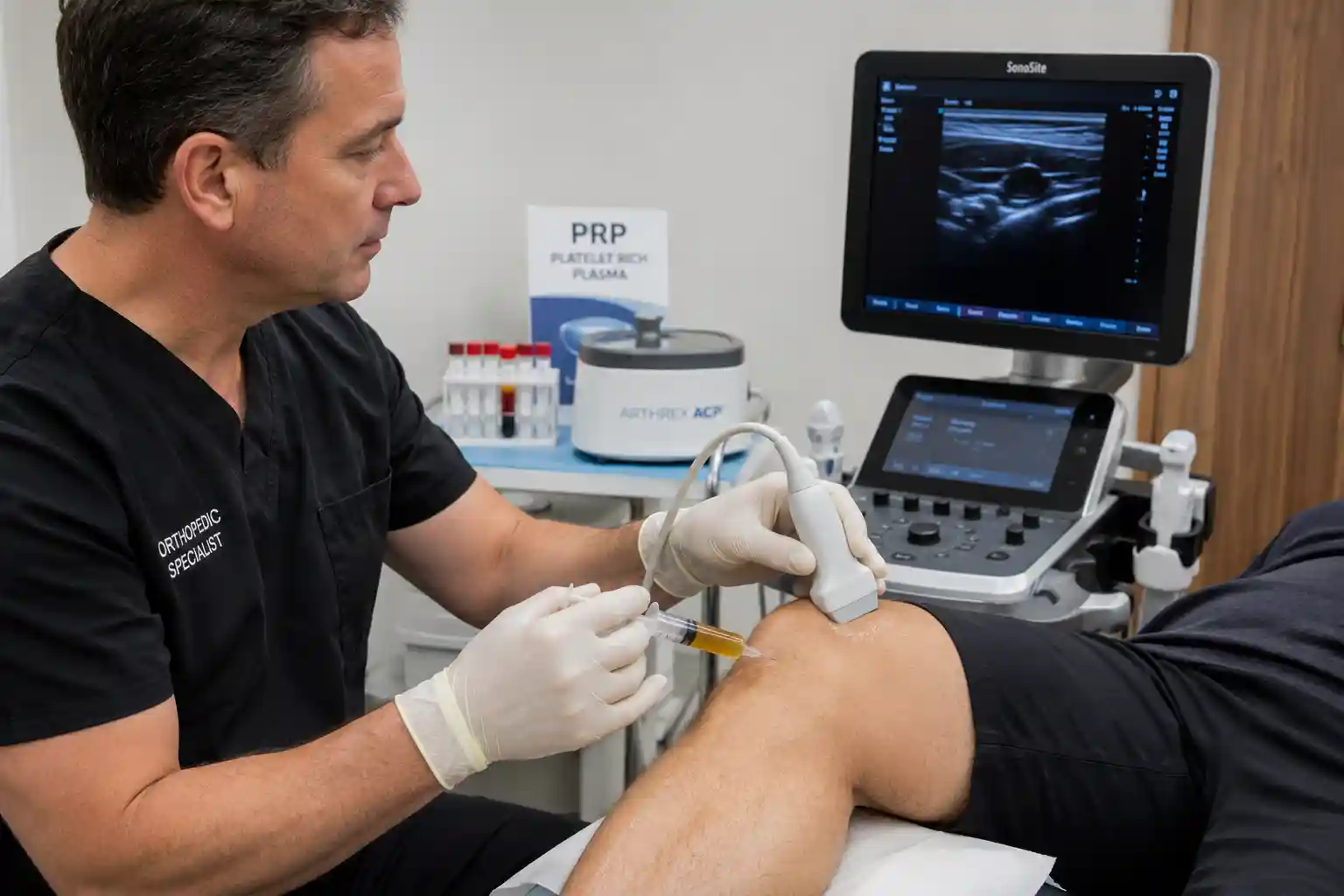
PRP is an autologous biologic product created by concentrating platelets from a patient’s own blood. These concentrated platelets contain numerous growth factors and signaling proteins that contribute to tissue repair and regeneration.
In orthopedic and musculoskeletal applications, PRP is commonly injected into injured tissues to stimulate healing responses. As a result, regenerative medicine practitioners frequently incorporate PRP into comprehensive treatment plans designed to improve function and reduce pain.
Because PRP is derived from the patient’s own blood, the risk of immunologic reaction is minimal compared to many other therapeutic interventions.
The success of PRP in regenerative medicine is closely linked to the biologic activity of platelets. Once activated, platelets release growth factors that influence cellular communication, tissue remodeling, and vascular development.
Key growth factors commonly found in PRP include:
These biologic mediators help create an environment that supports natural healing processes. Consequently, PRP in orthopedics and musculoskeletal medicine continues to attract interest from physicians seeking evidence-based regenerative medicine solutions.
Tendon disorders are among the most frequent indications for PRP treatment. Conditions such as:
may benefit from targeted PRP injections as part of a broader rehabilitation strategy.
Ligament damage can result in prolonged recovery periods. PRP may be utilized alongside rehabilitation programs to support healing in conditions involving:
PRP in orthopedics and musculoskeletal medicine is increasingly used for patients with mild to moderate osteoarthritis. Many clinicians employ PRP injections to help manage symptoms and potentially support joint health through biologic mechanisms.
Athletes and active individuals frequently experience muscle strains and soft tissue injuries. PRP may be incorporated into regenerative medicine protocols designed to accelerate recovery and facilitate return-to-activity goals.
Several factors contribute to the growing popularity of PRP treatments:
PRP injections can often be performed in an outpatient setting without the need for major surgery.
Because the treatment uses the patient’s own blood components, concerns regarding rejection or disease transmission are significantly reduced.
While results vary among patients, many clinicians use PRP as part of recovery programs intended to optimize tissue healing.
PRP may be applied across multiple orthopedic and musculoskeletal conditions, making it a versatile tool within regenerative medicine practices.
Not all PRP preparations are identical. Several variables can influence treatment quality, including:
Therefore, healthcare providers must receive comprehensive training to understand how these variables affect clinical outcomes.
Proper patient selection, preparation, and administration remain essential components of successful PRP treatment programs.
As regenerative medicine continues to evolve, practitioners require evidence-based education and hands-on experience to safely and effectively perform PRP procedures.
Professional training programs help clinicians:
Healthcare professionals interested in expanding their expertise can explore educational opportunities through IARM Training Services, which provides advanced regenerative medicine training programs.
The scientific literature surrounding PRP continues to grow. Organizations such as the American Academy of Orthopaedic Surgeons (AAOS) and the National Institutes of Health (NIH) provide valuable educational resources and ongoing research related to biologic therapies and musculoskeletal medicine.
While evidence varies depending on the specific condition being treated, many studies suggest that PRP may offer benefits for selected patients when applied appropriately and combined with comprehensive rehabilitation strategies.
PRP in orthopedics and musculoskeletal medicine continues to be a significant area of innovation within regenerative medicine. Advances in biologic therapies, imaging guidance, and treatment standardization are expected to further improve clinical applications.
As research expands, healthcare professionals who invest in specialized regenerative medicine education will be better positioned to deliver evidence-based treatments that meet the evolving needs of patients.
PRP in orthopedics and musculoskeletal medicine represents an important advancement in regenerative medicine. By utilizing concentrated platelets and growth factors from the patient’s own blood, clinicians can support natural healing processes in a variety of orthopedic and soft tissue conditions.
With proper training, patient selection, and evidence-based protocols, PRP continues to serve as a valuable tool for healthcare professionals seeking minimally invasive solutions for injury recovery and musculoskeletal health.