
Platelet-Rich Plasma (PRP) therapy has become a widely used treatment within regenerative medicine. As healthcare providers increasingly offer PRP for musculoskeletal injuries, aesthetic procedures, and chronic pain conditions, one challenge remains consistent: managing patient expectations with PRP.
Patients often arrive with information gathered from online sources, social media, or personal recommendations. While PRP can support tissue healing and regeneration, outcomes vary significantly among individuals. Therefore, clear communication and proper patient education are essential for achieving patient satisfaction and maintaining professional credibility.
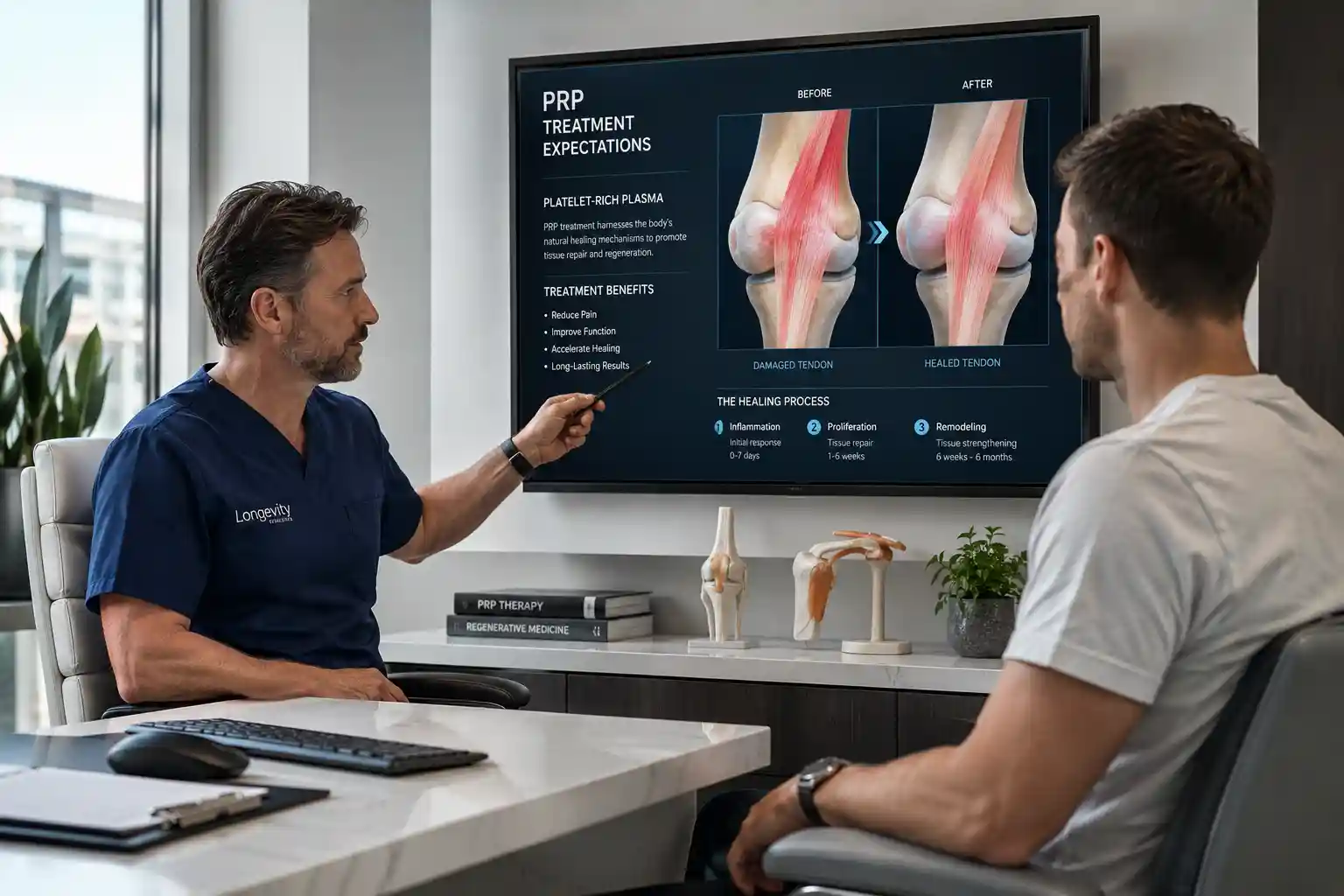
Patient satisfaction depends not only on clinical outcomes but also on whether treatment results align with expectations. When patients understand the realistic benefits and limitations of PRP therapy, they are more likely to remain engaged throughout the treatment process.
In regenerative medicine, PRP is designed to stimulate the body’s natural healing response. However, it is not an instant solution. Many patients expect immediate pain relief or complete tissue restoration after a single injection. These assumptions can lead to disappointment if healthcare providers do not address them early.
Effective expectation management helps:
A key component of managing patient expectations with PRP is explaining the biological mechanism behind the therapy.
PRP contains concentrated platelets derived from the patient’s own blood. These platelets release growth factors that may support tissue repair, angiogenesis, and cellular regeneration. However, PRP does not guarantee complete healing in every case.
Patients should understand that:
Providing balanced information helps establish realistic expectations from the beginning.
One of the most important aspects of managing patient expectations with PRP involves discussing treatment timelines.
Unlike corticosteroid injections that may provide rapid symptom relief, PRP relies on biological healing processes that occur gradually.
Patients should be informed that:
| Timeframe | Typical Experience |
|---|---|
| First few days | Temporary soreness or inflammation |
| 2–6 weeks | Early healing response may begin |
| 6–12 weeks | Noticeable improvement for some patients |
| 3–6 months | Continued tissue remodeling and recovery |
Because healing rates vary, providers should avoid guaranteeing specific timelines.
Not every patient is an ideal candidate for PRP therapy.
Several factors influence outcomes, including:
During consultation, practitioners should clearly explain how these variables may affect results.
This conversation helps patients understand that treatment success depends on more than the injection itself.
Patients appreciate honesty and transparency. Instead of promising outcomes, providers should discuss current scientific evidence.
For example, clinicians can explain:
Evidence-based communication strengthens patient confidence while maintaining ethical standards.
Many patients assume a single PRP injection will solve their problem. However, treatment plans may involve multiple sessions depending on the diagnosis.
Healthcare providers should discuss:
When patients understand the complete treatment pathway, they are less likely to become discouraged during the healing process.
Several misconceptions frequently arise during PRP consultations.
PRP stimulates biological healing. Improvement often occurs gradually over weeks or months.
While PRP may support healing, outcomes depend on multiple patient-specific factors.
Response rates vary significantly between individuals and conditions.
Rehabilitation often remains a critical component of successful treatment.
Addressing these misconceptions early helps build realistic expectations.
Follow-up appointments provide valuable opportunities to reinforce education and assess progress.
During follow-up visits, practitioners can:
Consistent communication helps patients remain confident throughout their regenerative medicine journey.
Healthcare professionals can improve outcomes by incorporating the following communication techniques:
Avoid excessive medical jargon when explaining PRP procedures and expected outcomes.
Patients should feel comfortable discussing concerns before treatment.
Educational materials improve understanding and retention.
Balanced conversations build trust and support informed decision-making.
Recording treatment goals and expectations creates a valuable reference for future follow-up discussions.
As PRP continues to expand within regenerative medicine, providers must develop strong communication skills alongside technical expertise.
Successfully managing patient expectations with PRP helps patients make informed decisions, improves treatment satisfaction, and strengthens long-term provider relationships. By emphasizing realistic outcomes, individualized treatment responses, and evidence-based education, healthcare professionals can create a more positive treatment experience while supporting optimal clinical outcomes.
Explore advanced regenerative medicine and PRP training opportunities through IARM Training Services.
Learn more about regenerative medicine certification and hands-on PRP education at IARM Educational Programs.