
Platelet-rich plasma (PRP) has become one of the most widely used biologic therapies in regenerative medicine. Clinicians use PRP for musculoskeletal injuries, aesthetic procedures, orthopedic conditions, and tissue healing applications. However, not every PRP preparation produces the same clinical effect. Several critical variables can significantly influence PRP quality, platelet concentration, and treatment outcomes.
Understanding the variables that affect PRP quality helps healthcare providers improve consistency, safety, and patient satisfaction. Proper PRP preparation also supports better regenerative medicine protocols and evidence-based practice.
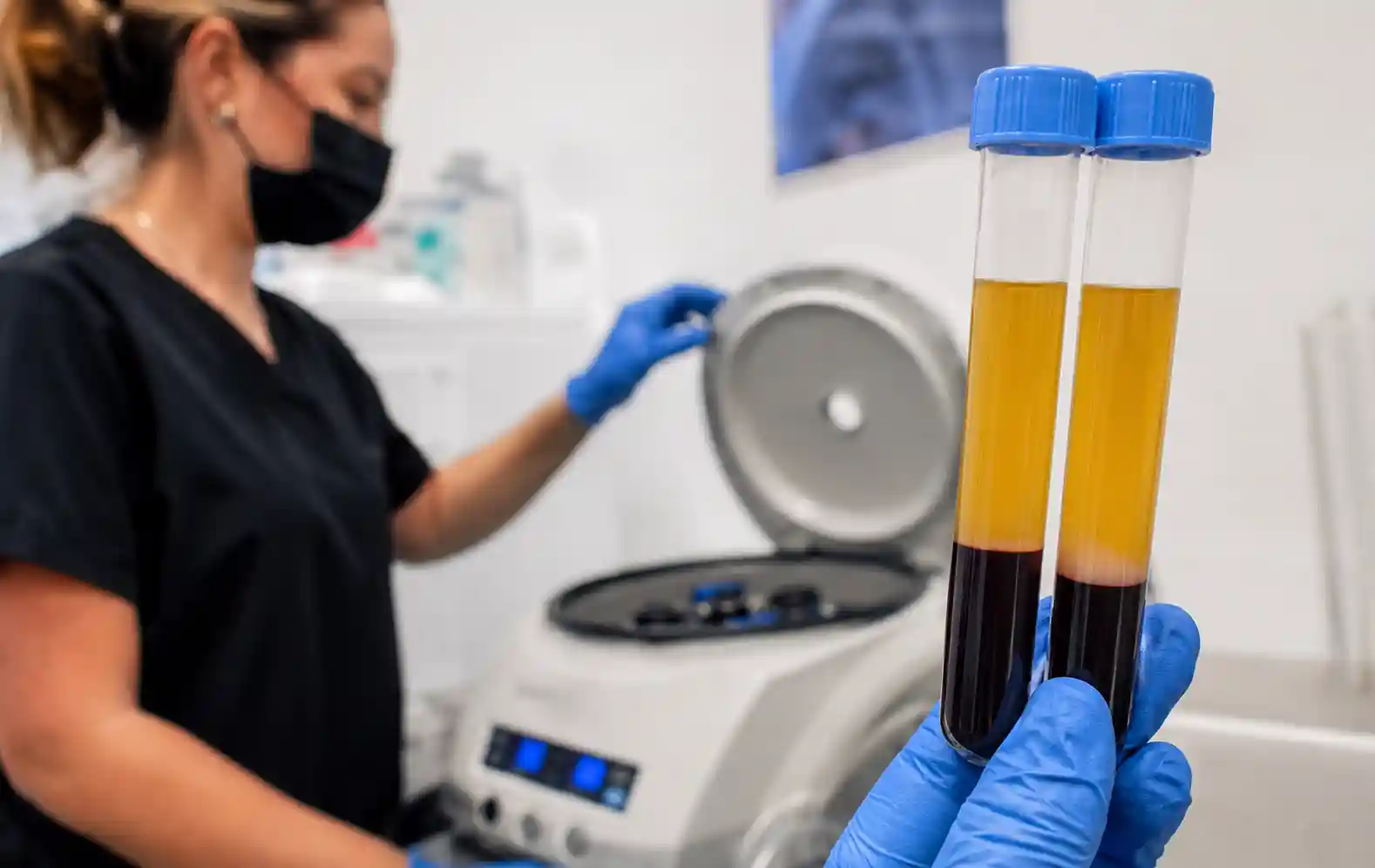
PRP is an autologous blood product created by concentrating platelets from a patient’s own blood. These platelets contain growth factors and cytokines that may assist tissue repair and healing.
Key growth factors commonly found in PRP include:
The effectiveness of PRP depends heavily on preparation quality. Even small inconsistencies during collection or processing can affect the final product.
Hydration levels can influence blood viscosity and platelet separation during centrifugation. Well-hydrated patients often produce more consistent PRP samples.
Encouraging patients to hydrate before treatment may improve blood collection efficiency and overall PRP quality.
The type of anticoagulant used during blood collection directly affects platelet preservation. Common anticoagulants include:
ACD-A is frequently preferred because it better preserves platelet integrity during processing.
Poor venipuncture technique may prematurely activate platelets before centrifugation. Excessive suction, traumatic needle insertion, or delayed processing can reduce PRP effectiveness.
Clinicians should use proper phlebotomy methods to maintain platelet viability.
Centrifugation settings are among the most important variables that affect PRP quality. Both speed and duration determine platelet separation efficiency.
Common issues include:
Different PRP systems use single-spin or double-spin protocols. Each method creates different platelet and leukocyte concentrations.
Single-spin protocols are faster and simpler. These systems often produce lower platelet concentrations but may reduce platelet trauma.
Double-spin systems generally achieve higher platelet concentrations. However, improper handling between spins may increase platelet activation.
Clinicians should select protocols based on treatment goals and tissue type.
Platelet concentration directly influences growth factor release. However, higher concentrations do not always produce better outcomes.
Research suggests that excessively high platelet concentrations may create inflammatory responses in some tissues.
Optimal platelet concentration depends on:
Balancing concentration and biologic activity remains essential in regenerative medicine procedures.
Leukocyte-rich PRP and leukocyte-poor PRP serve different therapeutic purposes.
This formulation may provide stronger inflammatory signaling and antimicrobial benefits. It is commonly used in tendon-related applications.
Leukocyte-poor PRP may reduce excessive inflammation and discomfort. Many clinicians prefer it for intra-articular injections.
Choosing the correct PRP type improves treatment precision and patient comfort.
Some protocols activate PRP before injection using agents such as:
Activation triggers growth factor release. However, premature activation may shorten therapeutic activity after injection.
Clinicians must determine whether activation benefits the specific treatment application.
PRP preparation systems vary significantly between manufacturers. Collection tubes, centrifuges, and separator technologies all affect final PRP composition.
Consistent equipment calibration and standardized preparation methods improve reproducibility and safety.
Healthcare providers should also follow validated protocols and manufacturer guidelines.
Fresh PRP is generally preferred because prolonged storage can reduce platelet viability.
Important timing considerations include:
Timely administration supports optimal regenerative medicine outcomes.
Proper training remains one of the most overlooked variables that affect PRP quality. Even advanced systems can produce inconsistent results when operators lack standardized education.
Comprehensive regenerative medicine training helps clinicians understand:
IARM Training Programs provide advanced education for healthcare professionals seeking hands-on experience in PRP and regenerative medicine applications.
As regenerative medicine continues to evolve, clinicians must stay informed about emerging PRP research and best practices.
Useful external resources include:
Evidence-based protocols help improve treatment consistency and patient outcomes.
Many variables affect PRP quality in regenerative medicine. Blood collection methods, centrifugation settings, platelet concentration, leukocyte content, activation protocols, and clinician expertise all contribute to treatment success.
Healthcare professionals who understand these variables can optimize PRP preparation and improve patient outcomes. As PRP therapy continues to expand across medical specialties, standardized training and evidence-based techniques remain essential for delivering safe and effective regenerative medicine care.