
In regenerative medicine, successful platelet-rich plasma (PRP) therapy begins long before the injection. A thorough patient assessment for PRP treatments helps clinicians determine whether PRP is appropriate, safe, and likely to produce meaningful clinical results.
PRP uses concentrated platelets from a patient’s own blood to support tissue healing, reduce inflammation, and stimulate regeneration. However, not every patient is an ideal candidate. Careful evaluation allows providers to create individualized treatment plans while minimizing risk.
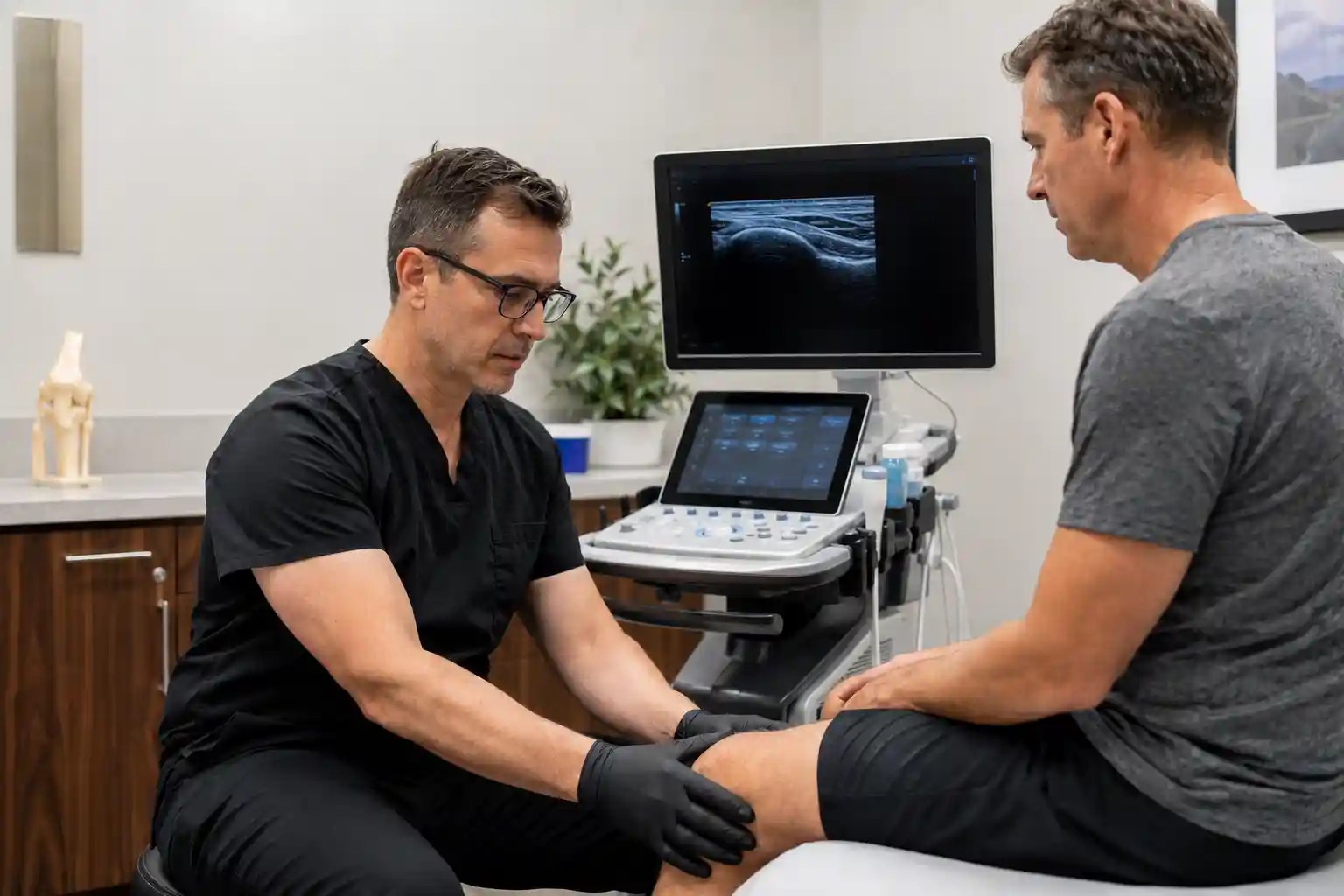
PRP outcomes can vary significantly depending on patient health status, medical history, and treatment goals. Proper assessment helps clinicians:
Clinical guidelines emphasize screening for infectious, oncologic, and hematologic conditions before PRP injection.
A complete medical history is the first step in patient assessment for PRP treatments.
Clinicians typically review:
The primary condition should be clearly defined. PRP is often considered for:
Providers assess whether the patient has already attempted:
Understanding treatment history helps identify whether PRP is an appropriate next step.
Certain medications may affect platelet function and influence PRP effectiveness.
These include:
Antiplatelet medications may reduce platelet activation and potentially alter treatment response.
Medication changes should always be coordinated with the patient’s primary physician.
Since PRP relies on platelet concentration, blood quality matters.
Clinicians may review:
Patients with thrombocytopenia, severe anemia, or clotting disorders may not be ideal candidates.
During patient assessment for PRP treatments, clinicians must identify conditions that may increase risk.
Potential contraindications include:
Recent consensus recommendations support careful screening for these conditions before PRP injection.
A physical exam helps determine baseline function and treatment goals.
Providers often evaluate:
This baseline allows clinicians to measure improvement after treatment.
Not every patient seeks the same outcome. Some want pain reduction, while others aim for improved athletic performance or faster recovery.
Clear communication helps align expectations with realistic clinical outcomes.
Topics often discussed include:
Patient education plays a major role in treatment satisfaction.
A strong patient assessment for PRP treatments supports evidence-based care. It ensures that regenerative medicine is applied responsibly and strategically.
Clinicians who understand patient selection often achieve more consistent outcomes and safer practice standards.
Healthcare professionals seeking advanced training in PRP applications can explore specialized education through IARM Training Services.