Regenerative medicine is advancing at a rapid pace. As new therapies emerge, the demand for qualified and properly trained professionals continues to grow. Formal training plays a critical role in ensuring patient safety, clinical effectiveness, and ethical practice. Without structured education, even promising regenerative therapies can fall short of their potential.
This article explains why formal training is essential in regenerative medicine and how it supports long-term success for practitioners and patients alike.
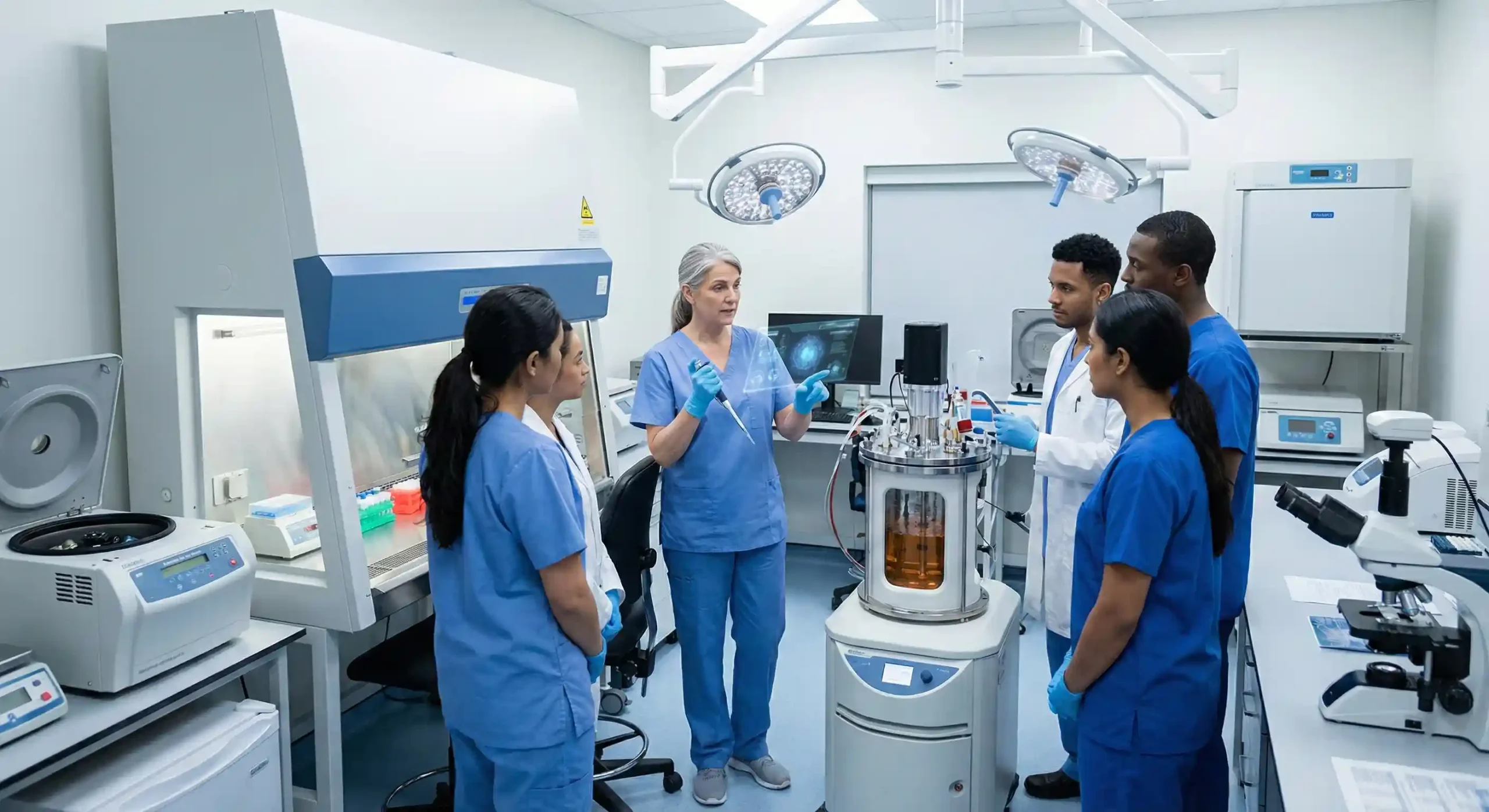
Regenerative medicine integrates cell biology, tissue engineering, and advanced clinical protocols. Because these therapies are highly specialized, they require more than general medical knowledge. Formal training in regenerative medicine ensures that practitioners understand:
Proper patient selection
Biological mechanisms of action
Safe harvesting and processing techniques
Evidence-based clinical application
As a result, treatment outcomes become more consistent and reliable.
Patient safety is central to regenerative therapies. When clinicians complete formal regenerative medicine training, risks are significantly reduced. Structured programs emphasize standardized protocols, sterile techniques, and regulatory compliance.
In addition, formal training prepares practitioners to manage complications effectively. This level of preparation cannot be achieved through self-study alone.
According to guidance supported by organizations such as National Institutes of Health, well-trained professionals are essential for responsible advancement in regenerative medicine.
Regenerative medicine operates under strict regulatory oversight. Formal training ensures that practitioners remain compliant with guidelines set by agencies like the U.S. Food and Drug Administration.
Proper education helps clinicians:
Follow current regulations
Maintain ethical treatment standards
Avoid unapproved or unsafe practices
Because regulations evolve, ongoing formal training also supports long-term compliance.
Formal training in regenerative medicine builds confidence. Clinicians who understand both theory and application communicate more effectively with patients. This trust improves patient engagement and satisfaction.
Moreover, certified training enhances professional credibility. Clinics that prioritize education are often viewed as more reliable and ethical within the medical community.
As regenerative medicine expands, employers increasingly seek formally trained professionals. Certification and structured education demonstrate commitment to excellence.
Professionals with formal regenerative medicine training are more likely to:
Access advanced clinical roles
Participate in research initiatives
Lead regenerative therapy programs
Therefore, education supports both patient care and career growth.
Formal training emphasizes science-backed approaches. Rather than relying on trends, practitioners learn to evaluate clinical data critically. This focus strengthens the overall credibility of regenerative medicine.
Educational resources and training standards promoted by institutions such as IARM help align clinical practice with current research. Learn more about accredited programs and professional education at IARM Training Services.
Stem Cell Information from the NIH – https://stemcells.nih.gov
FDA Guidance on Regenerative Medicine – https://www.fda.gov/vaccines-blood-biologics/cellular-gene-therapy-products
These sources reinforce the importance of proper training and regulatory compliance.