Regenerative medicine continues to reshape modern healthcare. At the center of this transformation, the International Association for Regenerative Medicine (IARM) plays a pivotal role by bringing clinicians together, encouraging innovation, and accelerating safe clinical adoption. Through education, collaboration, and ethical leadership, IARM creates an ecosystem where regenerative medicine thrives.
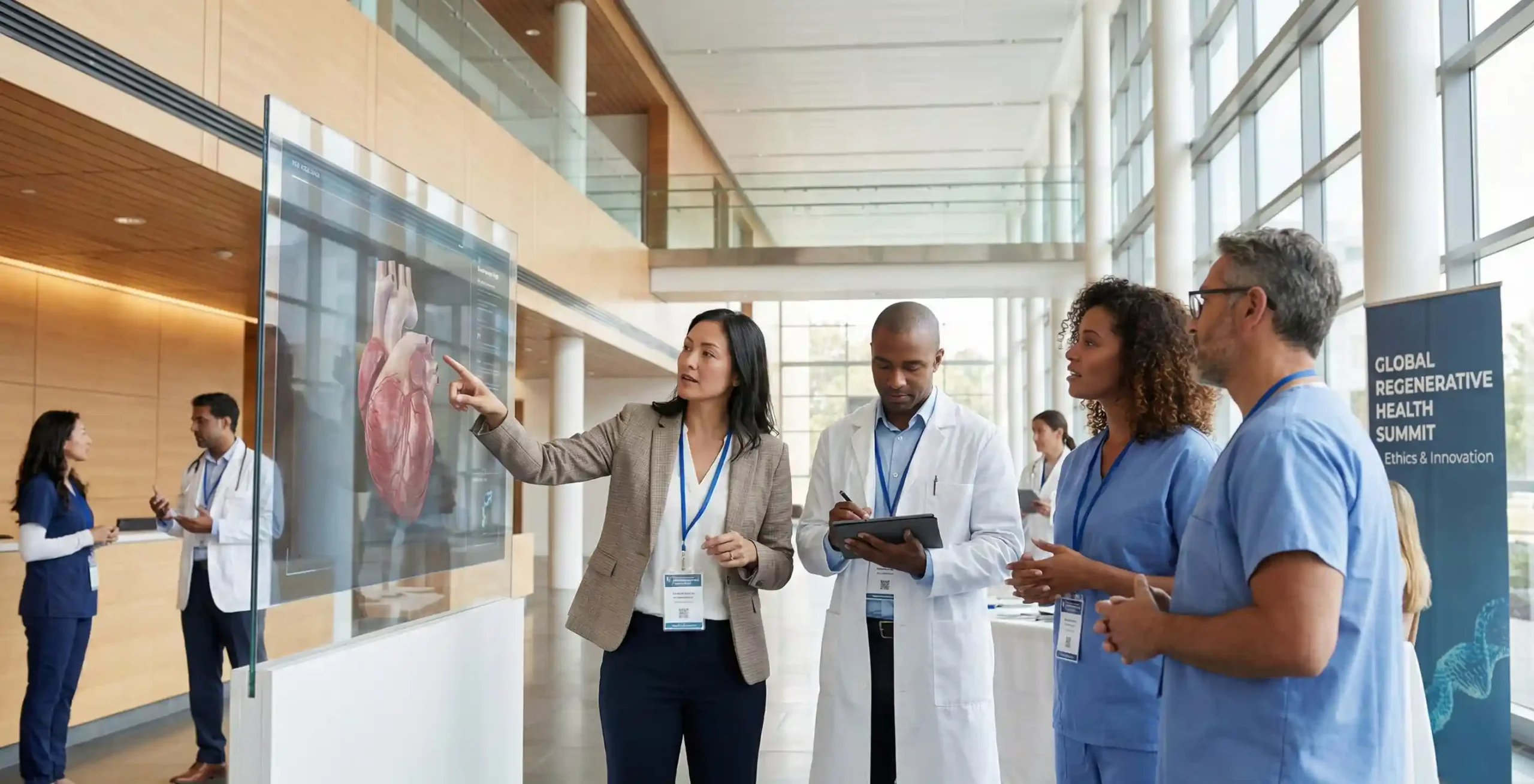
One of the strongest drivers of progress in regenerative medicine innovation and collaboration is shared expertise. IARM provides structured platforms where clinicians exchange real-world clinical insights. As a result, treatment strategies improve faster and patient outcomes become more consistent.
Educational summits, workshops, and virtual training sessions are designed to support both new and experienced providers. Moreover, these events focus on evidence-based protocols rather than theoretical trends.
Regenerative medicine thrives on collaboration. IARM actively connects physicians across specialties, including orthopedics, pain management, sports medicine, and integrative care. This multidisciplinary approach ensures treatments evolve with broader clinical insight.
Through peer-to-peer forums and moderated discussions, clinicians are encouraged to share challenges, outcomes, and innovations. Consequently, best practices spread faster and reduce trial-and-error in patient care.
Innovation in regenerative medicine must remain responsible. IARM emphasizes ethical frameworks that protect both clinicians and patients. Clinical applications are supported by current research, compliance guidelines, and outcome tracking.
External resources further reinforce these standards:
NIH – Regenerative Medicine Overview
https://www.nih.gov/research-training/medical-research-initiatives/regenerative-medicine
FDA – Human Cells, Tissues, and Cellular Products (HCT/Ps)
https://www.fda.gov/vaccines-blood-biologics/cellular-gene-therapy-products
These references help clinicians align innovation with regulatory expectations.
IARM actively promotes collaborative research by connecting clinicians with researchers and data-driven initiatives. Case studies, outcome registries, and observational trials help validate regenerative medicine approaches.
Additionally, shared data allows members to refine protocols while contributing to the broader medical community. This cycle of feedback supports sustainable regenerative medicine innovation and collaboration.
Mentorship remains a cornerstone of IARM’s collaborative strategy. New clinicians gain access to experienced practitioners who provide guidance on patient selection, procedure protocols, and practice growth.
Professional development programs also focus on long-term success. These initiatives help clinicians build ethical, cash-based regenerative practices that prioritize patient education and transparency.
IARM’s internal collaboration model extends outward. Partnerships with academic institutions, laboratories, and professional organizations strengthen credibility and innovation.
These connections ensure clinicians stay informed while contributing to the evolving regenerative medicine landscape.
Regenerative medicine innovation and collaboration accelerate progress without compromising safety. When clinicians work together, they reduce isolation, improve outcomes, and elevate standards of care. IARM’s structured approach ensures that progress benefits both providers and patients.