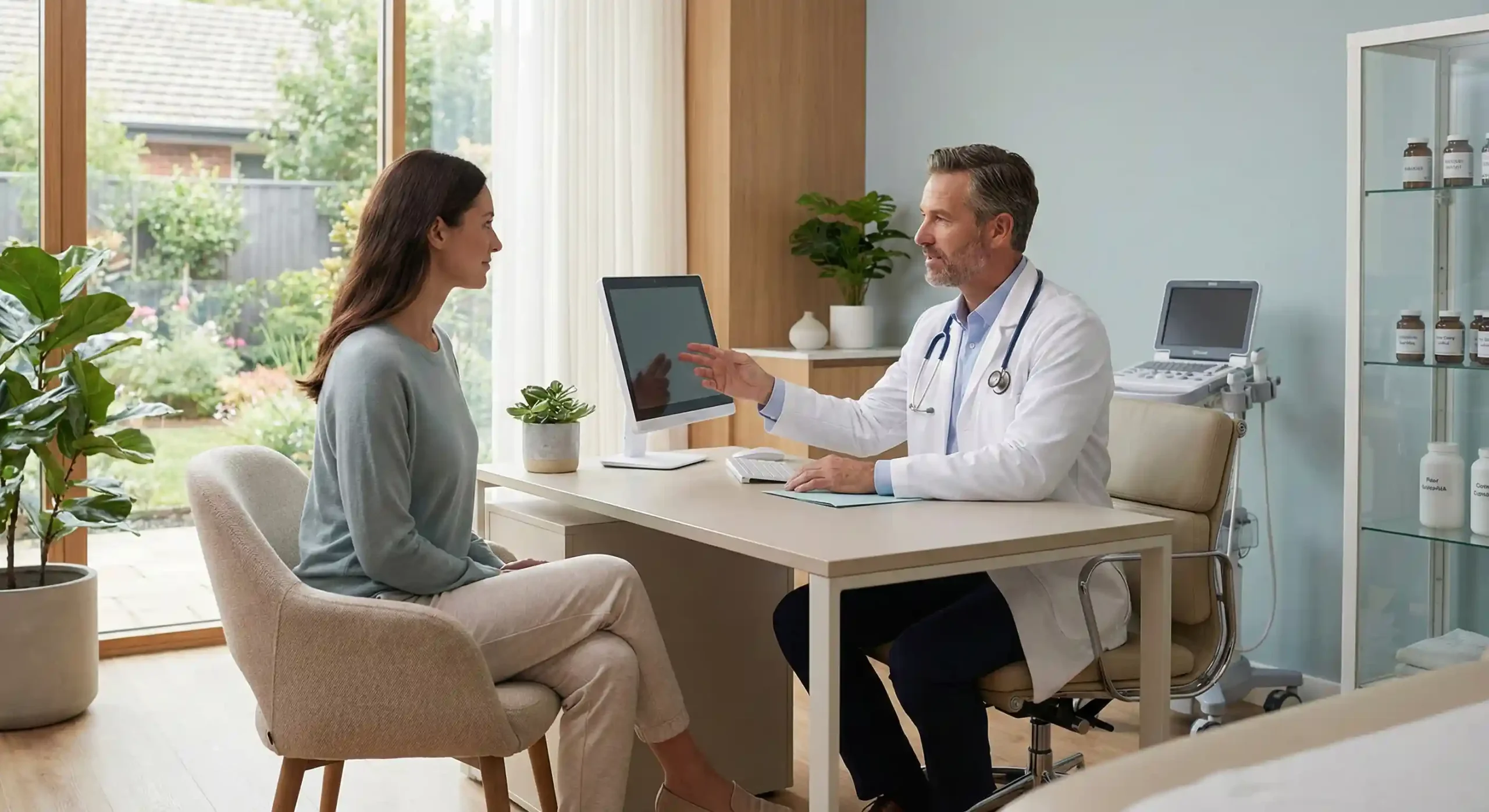
The patient experience has become a defining measure of healthcare quality. As expectations rise, providers are turning to integrative regenerative medicine to deliver care that is both advanced and patient-centered. This approach combines regenerative therapies with holistic medical practices, creating real-world clinical experiences that focus on outcomes, comfort, and long-term wellness.
Unlike traditional models, integrative regenerative medicine emphasizes personalization. As a result, patients often report higher satisfaction and improved trust in their care providers.
Integrative regenerative medicine blends evidence-based regenerative therapies with complementary medical approaches. These may include lifestyle medicine, nutrition support, and functional diagnostics.
By addressing the root causes of disease, this model supports the body’s natural healing capacity. In real-world settings, patients benefit from coordinated care plans rather than isolated treatments.
Learn more about regenerative medicine fundamentals from the National Institutes of Health:
Regenerative Medicine Overview – https://www.nih.gov
Each patient enters care with unique goals and conditions. Integrative regenerative medicine prioritizes individualized treatment plans. Consequently, therapies are tailored based on clinical findings, lifestyle factors, and recovery objectives.
This personalization leads to better engagement and clearer expectations throughout the treatment journey.
Open communication is central to integrative care models. Physicians spend more time educating patients about regenerative options and expected outcomes.
Because of this transparency, patients feel empowered rather than overwhelmed. Trust becomes a natural byproduct of informed decision-making.
Integrative regenerative medicine extends beyond symptom management. Physical, emotional, and functional health are addressed together.
In real-world settings, this translates to improved recovery experiences, especially for chronic pain, orthopedic conditions, and degenerative diseases. According to the Mayo Clinic, integrative approaches support both healing and prevention:
Integrative Medicine at Mayo Clinic – https://www.mayoclinic.org
Patients seeking alternatives to surgery often turn to regenerative solutions. In integrative settings, regenerative injections are combined with rehabilitation and nutrition guidance.
This coordinated care improves mobility while reducing downtime.
Chronic conditions require long-term strategies. Integrative regenerative medicine offers sustainable options that focus on tissue repair and systemic balance.
As a result, patients often experience gradual but lasting improvements.
Clinical success depends on provider expertise. Organizations like IARM support clinicians through hands-on regenerative medicine training.
By advancing practitioner skill sets, patient experiences improve across real-world settings. Explore professional education opportunities at:
IARM Services – https://iarm-usa.com/courses/
Patients increasingly seek care that aligns with their values. Integrative regenerative medicine offers:
Clear treatment goals
Reduced reliance on pharmaceuticals
Collaborative care environments
Focus on long-term wellness
Because expectations are met more consistently, patient satisfaction remains high.
The future of healthcare lies in experience-driven outcomes. Integrative regenerative medicine reshapes real-world clinical care by prioritizing personalization, communication, and whole-person healing.
As more providers adopt this model, patient experiences will continue to improve—clinically and emotionally.