Regenerative medicine is reshaping modern healthcare. While physicians often lead treatment planning, nurses are emerging as the backbone of the regenerative medicine revolution. Their clinical expertise, patient-centered approach, and hands-on role position them as essential drivers of innovation and adoption in this rapidly advancing field.
As regenerative medicine continues to expand, nurses are not just supporting care—they are actively shaping outcomes, education, and patient trust.
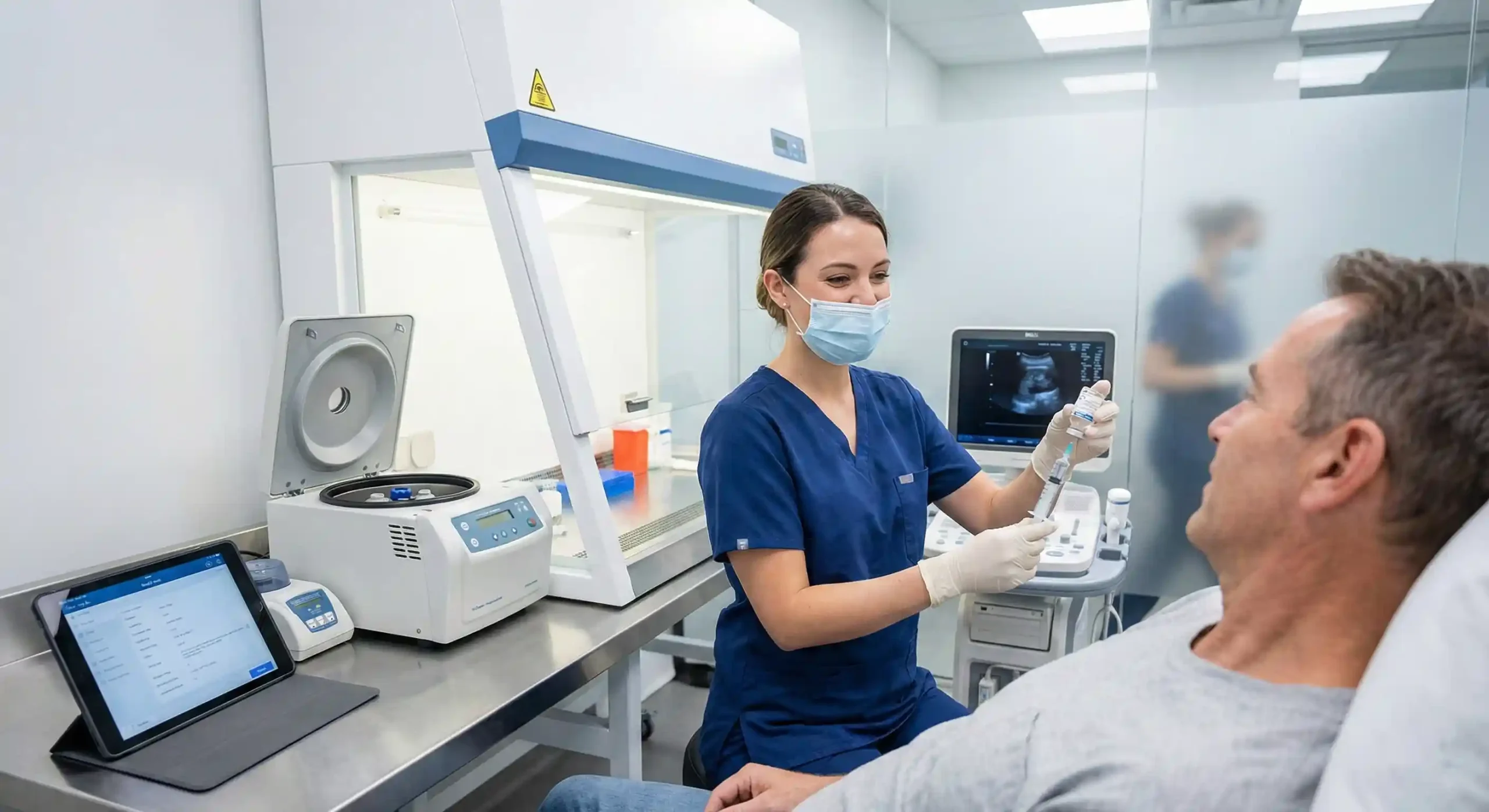
Regenerative medicine focuses on repairing, restoring, and regenerating damaged tissues using advanced biologics and cellular therapies. As a result, patient care requires precision, education, and continuous monitoring.
Nurses naturally fill this role.
They manage treatment workflows, ensure protocol compliance, and guide patients through complex regenerative procedures. In many clinics, nurses in regenerative medicine serve as the primary clinical touchpoint from consultation through recovery.
One major barrier to regenerative medicine adoption is patient understanding. Treatments such as PRP, stem cell–based therapies, and exosome applications often raise questions.
Nurses bridge this gap.
Through clear education and compassionate communication, nurses help patients understand benefits, risks, and expectations. Consequently, informed patients are more confident and compliant with treatment plans.
This educational role directly improves patient satisfaction and clinical outcomes.
Regenerative medicine demands strict adherence to protocols. Even small deviations can affect results.
Nurses ensure:
Proper biologic handling and preparation
Accurate documentation and tracking
Sterile technique and safety compliance
Post-treatment monitoring and follow-up
Because of this responsibility, nurses in regenerative medicine significantly influence treatment success rates and patient safety.
Unlike traditional care models, regenerative medicine evolves rapidly. Therefore, nurses who pursue advanced training gain a competitive advantage.
Organizations like the International Association of Regenerative Medicine (IARM) provide specialized clinical education designed for hands-on application. These programs go beyond standard CME by emphasizing real-world regenerative procedures.
Learn more about advanced regenerative medicine education at IARM Services:
👉 https://iarm-usa.com/courses/
Many regenerative medicine clinics rely on nurses to coordinate care teams and streamline operations. In some settings, nurses even manage regenerative programs or lead patient intake and treatment pathways.
As clinics scale, leadership from trained nurses becomes essential. Their clinical insight and operational efficiency help practices grow while maintaining high standards of care.
The importance of nurses in advanced therapies is supported by broader healthcare research:
National Institutes of Health (NIH) – Regenerative Medicine Overview
https://www.nih.gov/research-training/medical-research-initiatives/regenerative-medicine
American Nurses Association – Expanding Nursing Roles in Advanced Care
https://www.nursingworld.org/
These sources reinforce the growing demand for skilled nurses in emerging medical fields.
The regenerative medicine revolution is not driven by technology alone. It is powered by skilled professionals who translate innovation into patient care.
Nurses bring:
Trust and continuity
Clinical precision
Patient education
Leadership and scalability
Without their expertise, regenerative medicine cannot reach its full potential.