Regenerative medicine continues to redefine the landscape of modern healthcare, offering patients innovative solutions for healing, recovery, and long-term wellness. As more providers adopt advanced regenerative techniques, clinical outcomes are improving while patient reliance on invasive procedures decreases.
Below, we explore how these breakthroughs transform patient care and what makes regenerative therapies a preferred solution in today’s medical environment.
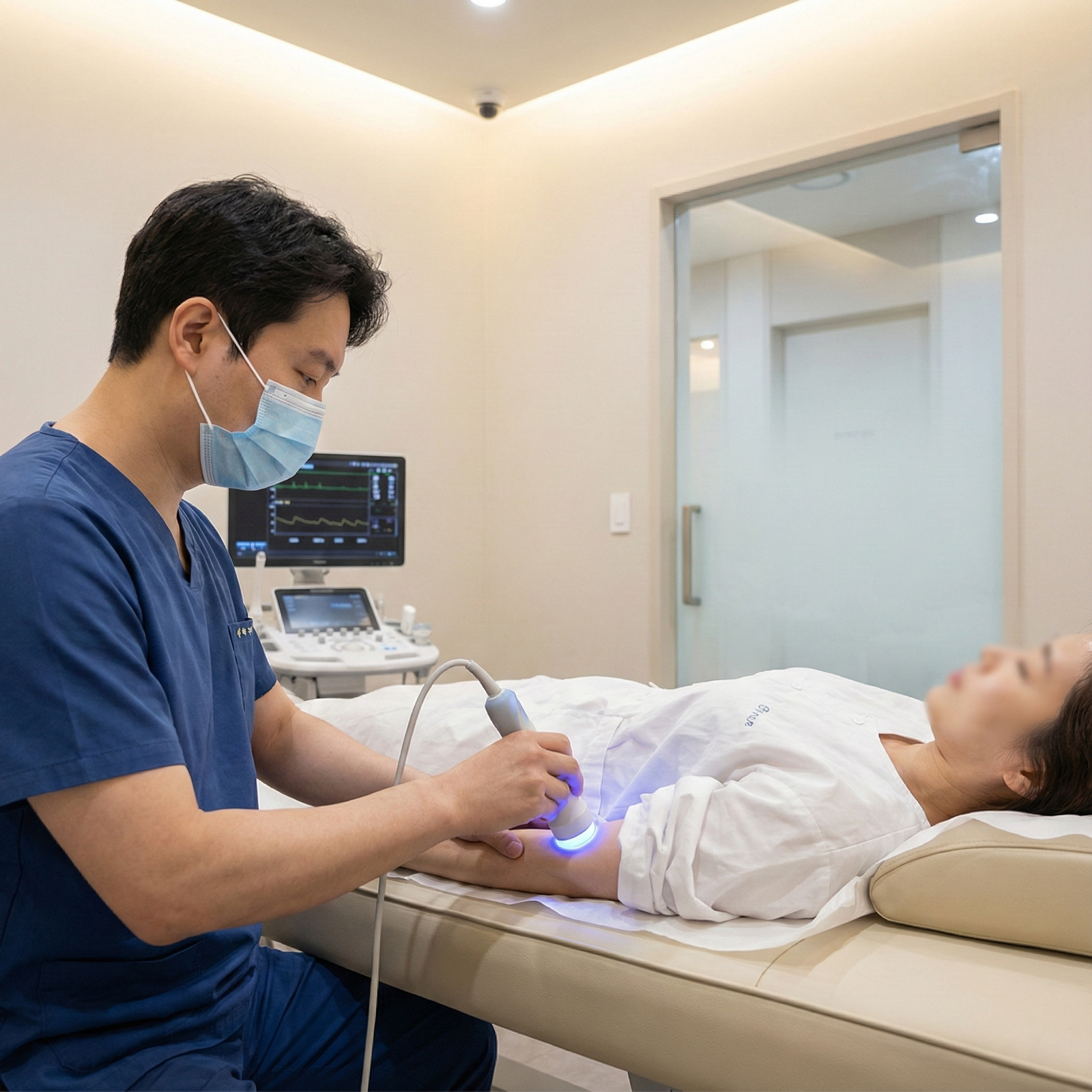
Regenerative medicine focuses on repairing, restoring, or replacing damaged tissues by activating the body’s natural healing processes. Through advanced regenerative techniques, clinicians help patients experience faster recovery and reduced discomfort. Patients who previously relied on surgery now have non-surgical options that provide lasting relief.
What Is Regenerative Medicine? — https://www.nccih.nih.gov/health/regenerative-medicine
Unlike traditional treatments that simply mask symptoms, advanced regenerative techniques target the underlying cause of pain or injury. These therapies encourage the body to rebuild healthy, functioning tissues.
Patients often report:
Faster recovery
Improved joint mobility
Reduced inflammation
Many conditions previously treated with invasive surgery can now be managed with regenerative medicine. This shift offers several patient advantages:
Lower risk
No extended downtime
More natural healing
As tissues regenerate, pain decreases organically. Patients gain lasting relief without long-term medication use, reducing potential side effects or dependency.
Benefits of Regenerative Medicine — https://www.hopkinsmedicine.org/health/treatment-tests-and-therapies/regenerative-medicine
These therapies use specialized cells to stimulate tissue repair and growth. Patients with chronic joint pain, soft-tissue injuries, and degenerative conditions often benefit from this approach.
Growth factors help enhance cellular communication and accelerate healing. This technique is widely used in orthopedics, sports medicine, and wound recovery.
Clinics like IARM Services integrate multiple regenerative methods for optimal patient outcomes. This approach tailors treatment to each patient’s needs and improves overall healing success.
Studies consistently highlight the positive impact of advanced regenerative techniques on patient recovery. Patients often experience:
Improved mobility within weeks
Significant reduction in pain
Enhanced quality of life
Ability to return to daily activities sooner
These outcomes demonstrate why regenerative medicine is becoming a leading choice in clinical care.
Clinical Studies in Regenerative Medicine — https://www.ncbi.nlm.nih.gov/pmc/articles/PMC8021724/
As technology evolves, regenerative medicine becomes even more effective. With its patient-centered approach and emphasis on natural healing, these therapies offer a promising pathway for those seeking long-term solutions without invasive procedures.
Clinics dedicated to regenerative medicine continue to refine treatment protocols to support better patient outcomes and sustainable improvements.