Modern healthcare is rapidly evolving, and at the forefront of this transformation is personalized regenerative medicine—a medical revolution that tailors treatment to each patient’s unique biology. This emerging field combines advances in cellular therapy, genomics, and biotechnology to repair, replace, or regenerate damaged tissues and organs.
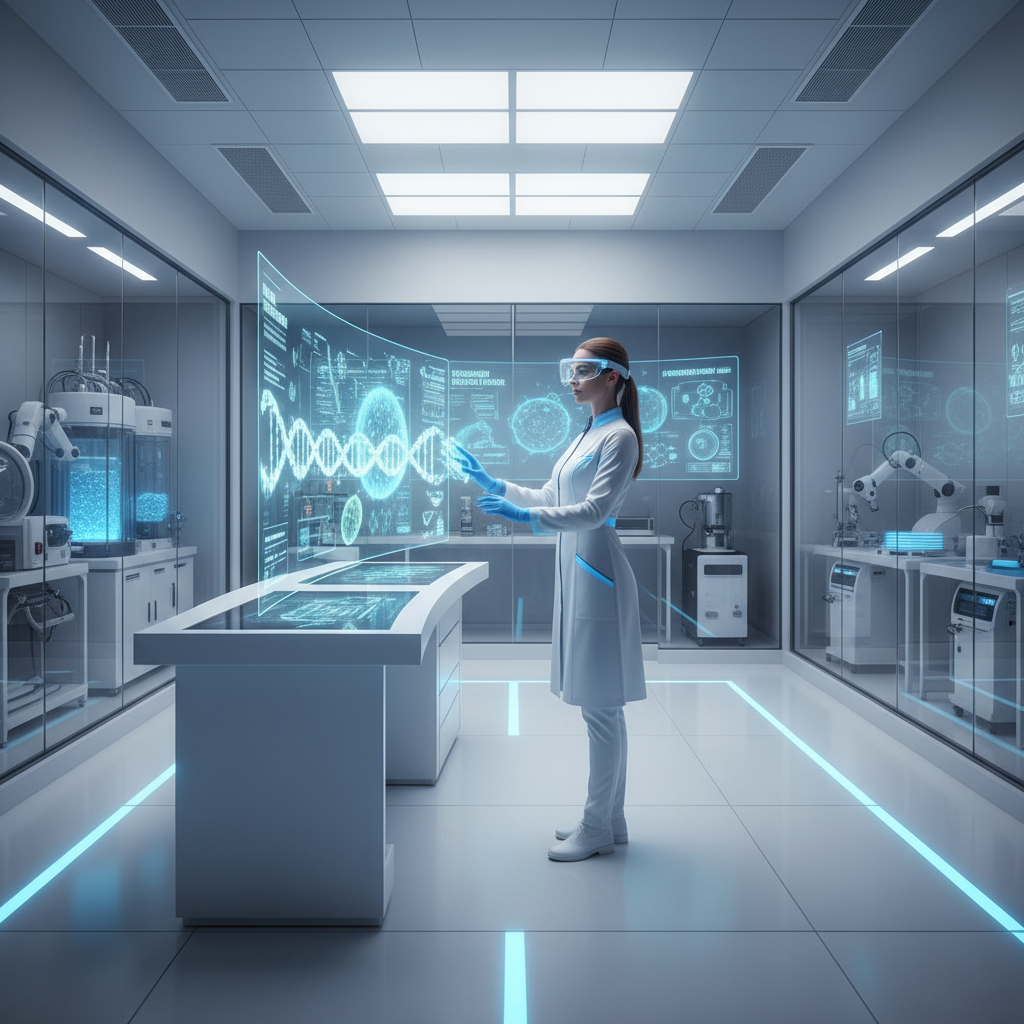
Regenerative medicine harnesses the body’s natural healing capabilities using stem cells, growth factors, and tissue engineering. These therapies aim to restore normal function rather than merely treating symptoms.
According to the National Institutes of Health (NIH), regenerative medicine holds the potential to cure conditions once deemed untreatable, such as spinal cord injuries, heart disease, and degenerative joint disorders.
The integration of personalized medicine elevates regenerative treatments to new levels of precision. Instead of a one-size-fits-all approach, clinicians analyze a patient’s genetic profile, lifestyle, and cellular composition to design targeted therapies.
For example:
Stem cell therapies derived from the patient’s own tissues minimize immune rejection.
Gene editing and molecular diagnostics help predict treatment success.
3D bioprinting allows creation of tissue models tailored to individual anatomy.
These innovations not only improve healing outcomes but also significantly reduce recovery times.
Orthopedic Regeneration: Restoring cartilage and bone through autologous stem cells.
Cardiac Repair: Rebuilding damaged heart tissue post-infarction.
Neurological Recovery: Promoting neuron regeneration in spinal injuries and strokes.
Skin and Wound Healing: Using bioengineered skin grafts and platelet-rich plasma (PRP) for chronic wounds.
Read more about these treatments on IARM’s official website, where cutting-edge regenerative solutions are being applied to enhance patient recovery and improve quality of life.
The future is promising. Ongoing clinical research focuses on combining artificial intelligence (AI) and bioprinting to optimize treatment personalization. The Mayo Clinic reports that data-driven regenerative medicine is paving the way for fully customized organ regeneration and precision tissue therapy.
As personalized regenerative medicine continues to evolve, it will redefine how we view healing — from reactive treatment to proactive regeneration.