Neuropathy—a condition resulting from damaged or malfunctioning nerves—affects millions worldwide, leading to chronic pain, numbness, and weakness. For years, treatment options were limited to symptom management rather than true healing. However, with the advent of regenerative medicine for neuropathy treatment, a new era of pain relief and nerve restoration has begun.
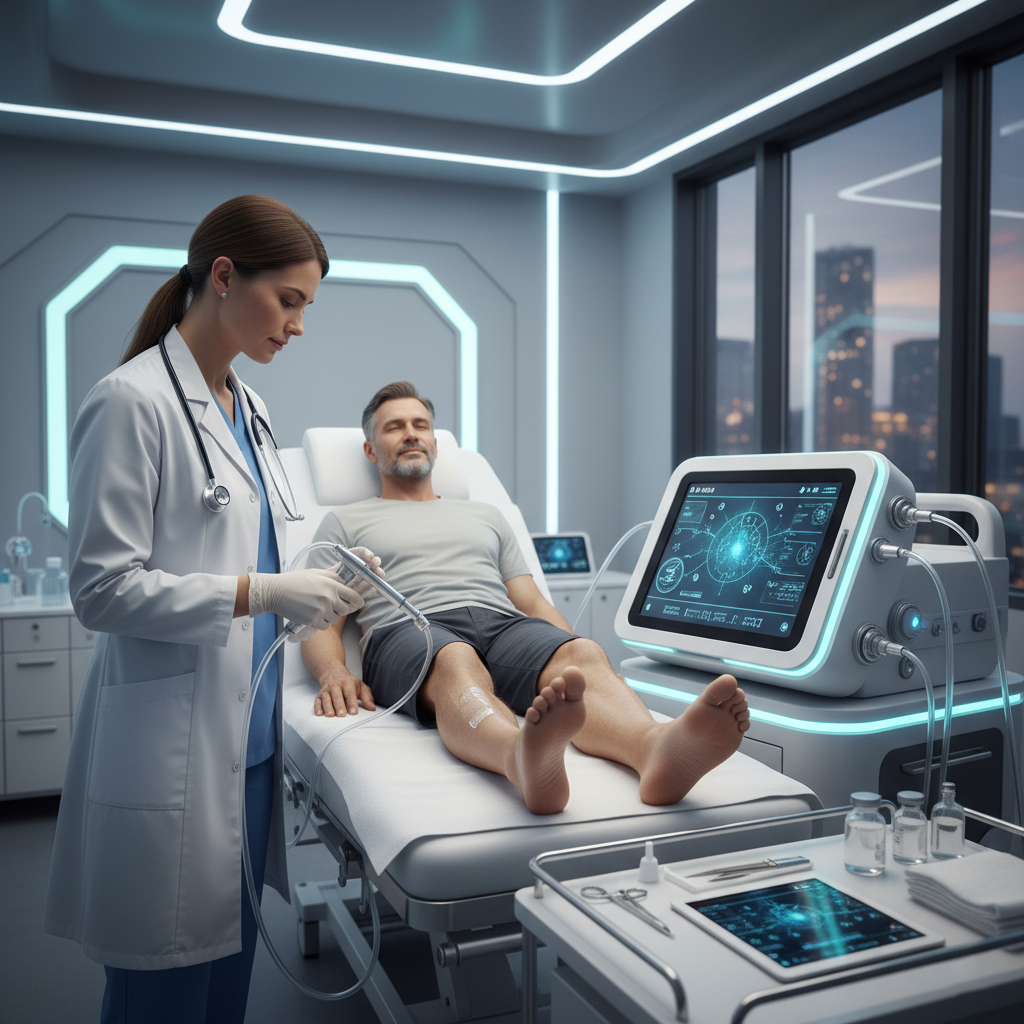
Traditional neuropathy therapies have focused on medication, physical therapy, and lifestyle changes. While these can help manage pain, they rarely address the root cause—nerve damage itself.
That’s where regenerative medicine steps in, utilizing the body’s own healing mechanisms to repair and regenerate nerve tissues. This breakthrough represents a paradigm shift from pain management to functional recovery.
Regenerative medicine involves harnessing biological materials such as stem cells, platelet-rich plasma (PRP), and growth factors to repair damaged tissues and promote healing. When applied to neuropathy, these therapies aim to stimulate nerve regeneration, improve circulation, and reduce inflammation.
Stem cells can transform into specialized nerve cells, promoting nerve repair and functional recovery. Clinical studies show promising outcomes for patients with diabetic neuropathy and peripheral nerve damage.
PRP injections use concentrated platelets from the patient’s own blood to release growth factors that stimulate healing and reduce pain. This therapy is minimally invasive and safe.
Exosomes—tiny messengers secreted by cells—help communicate healing signals throughout the body. When used for neuropathy, they enhance cell regeneration and inflammation control.
These treatments involve proteins that promote neuron survival and growth, essential for restoring damaged nerves.
External Source for Further Reading:
“Emerging Regenerative Medicine Therapies for Neuropathic Pain” – National Center for Biotechnology Information (NCBI)
Long-term pain relief without dependency on medication
Improved nerve function and mobility
Reduction in inflammation and numbness
Natural healing using the body’s own cells
Unlike conventional treatments, regenerative medicine addresses the underlying nerve damage, not just the symptoms.
Patients suffering from:
Diabetic neuropathy
Peripheral neuropathy
Post-surgical nerve damage
Chemotherapy-induced neuropathy
As regenerative medicine continues to advance, neuropathy patients can expect more personalized and effective options for pain relief and nerve restoration. This innovation-driven approach promises a future free from chronic nerve pain.
The integration of regenerative medicine for neuropathy treatment marks a revolutionary step forward in healthcare. By moving beyond symptom management to actual nerve healing, regenerative therapies are offering new hope for millions suffering from neuropathic pain.
Learn more about how IARM Services is leading in regenerative therapies at https://iarm-usa.com/