Medicine has evolved through the dynamic interplay of tradition and innovation. Today, regenerative medicine in modern healthcare serves as a transformative link, combining traditional wisdom with advanced scientific therapies to promote true healing and restoration.
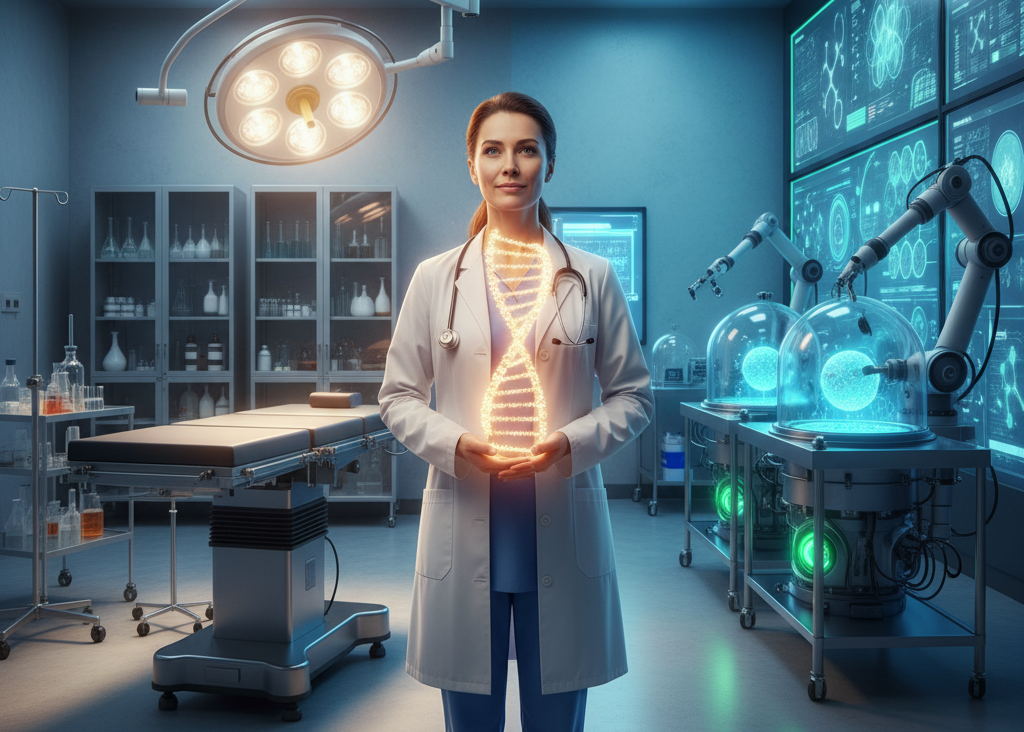
Traditional medical practices have long focused on symptom management and the use of natural therapies. These foundations remain valuable, providing holistic insight into patient care. However, modern medicine has introduced new methods rooted in biotechnology, stem cell research, and molecular biology—paving the way for regenerative medicine in modern healthcare.
Through regenerative therapies, the focus shifts from managing disease to restoring function and promoting healing at the cellular level. This approach complements traditional medicine’s emphasis on prevention and whole-body wellness.
Regenerative medicine brings innovation to classical treatment models by using the body’s natural ability to repair and regenerate tissues. For example:
Platelet-Rich Plasma (PRP) therapy enhances healing using the patient’s own blood components.
Stem cell therapy promotes tissue regeneration and reduces inflammation.
Bioidentical hormone replacement therapy balances hormonal function to restore vitality.
These techniques do not replace traditional medicine—they enhance it, offering healthcare professionals a broader therapeutic toolkit.
At IARM Services, we empower clinicians to adopt regenerative medicine through structured training and education. Our programs emphasize both safety and efficacy, ensuring that medical professionals confidently apply advanced therapies within their existing practice models.
To learn more about how regenerative training can enhance your clinical expertise, visit IARM Training Programs.
The role of regenerative medicine continues to gain validation in peer-reviewed research. Studies such as:
“Regenerative Medicine: A New Horizon for Clinical Practice” – National Institutes of Health (https://www.nih.gov/)
“Stem Cell Therapy: Current and Future Directions” – Nature Reviews Molecular Cell Biology (https://www.nature.com/)
demonstrate its growing impact in orthopedics, aesthetics, and internal medicine.
By combining time-tested traditional care with modern innovations, practitioners can deliver personalized, evidence-based treatment that truly meets the needs of today’s patients.
The integration of regenerative medicine in modern healthcare reflects a paradigm shift—from disease management to proactive restoration. As clinicians continue to explore this field, the potential for long-term, patient-centered outcomes grows exponentially.
Through ongoing research, education, and collaboration, IARM remains dedicated to bridging the gap between traditional healing principles and innovative medical advancements.